Skid Plate Replacement: When and Why It Is Crucial for Your Vehicle
A Simple Way to Protect Your Vehicle from Rough Terrain
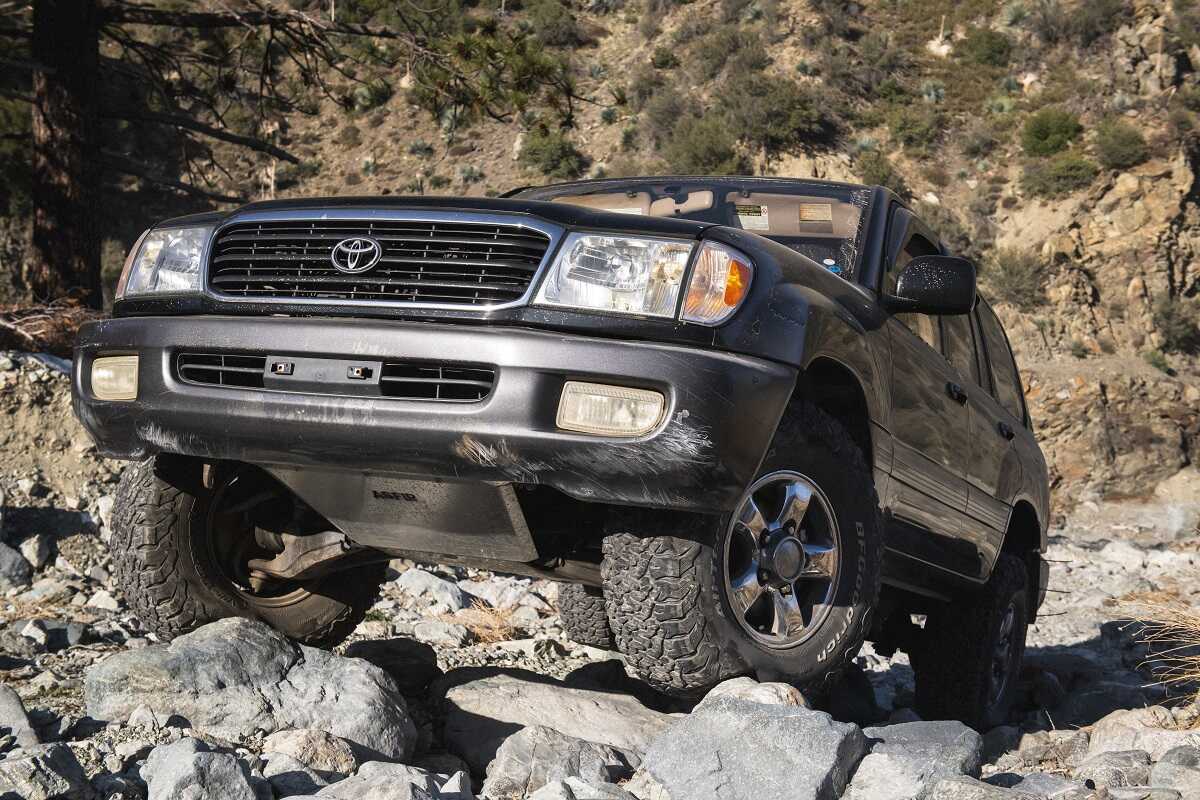
Skid plates are essential for off-roading and driving on rough terrain. These protective components help prevent significant damage to the underside of your vehicle, reducing the risk of being stranded on the road or trail. Understanding how skid plates work and when to replace them is key to a safe and enjoyable off-road experience.
What Is the Role of the Skid Plate?
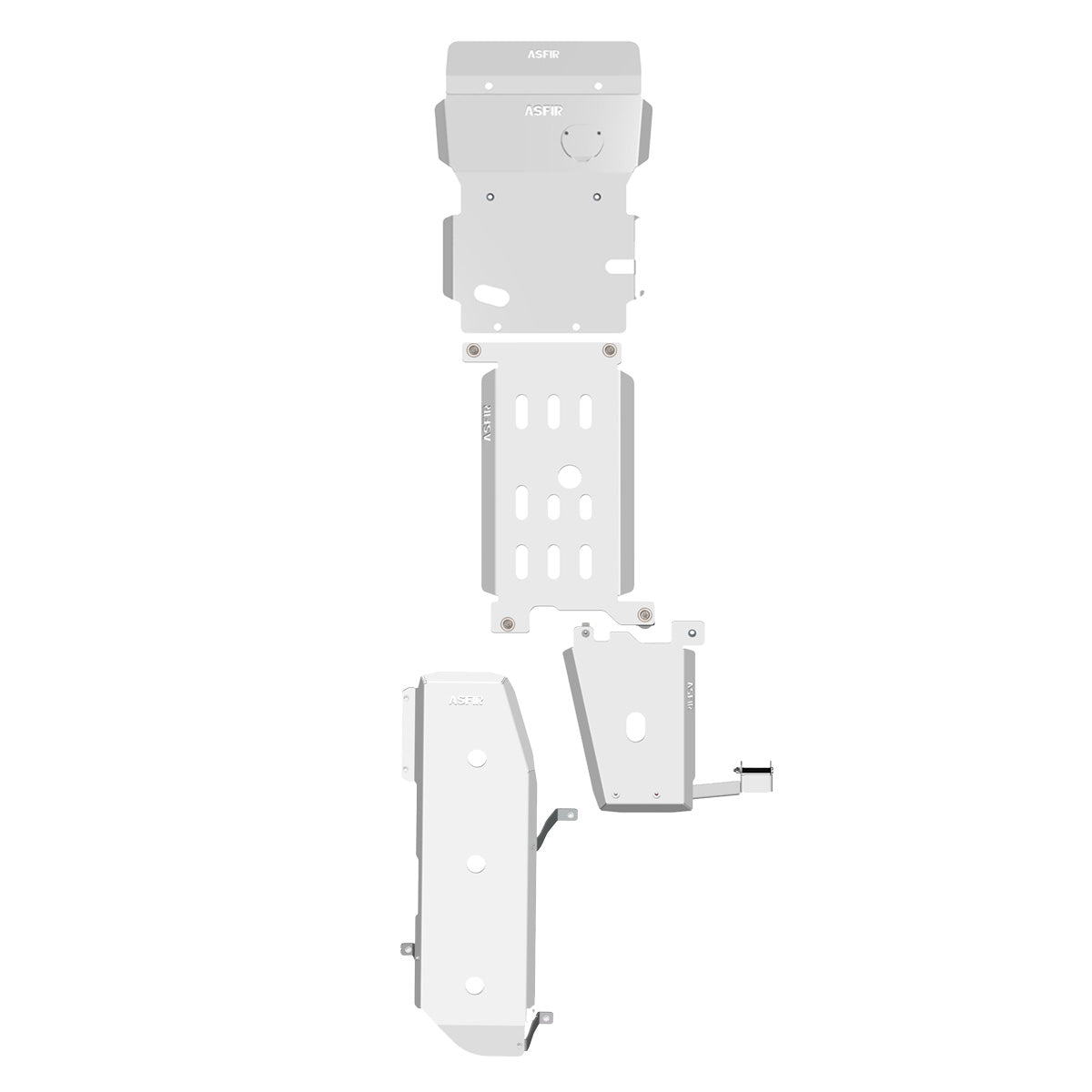
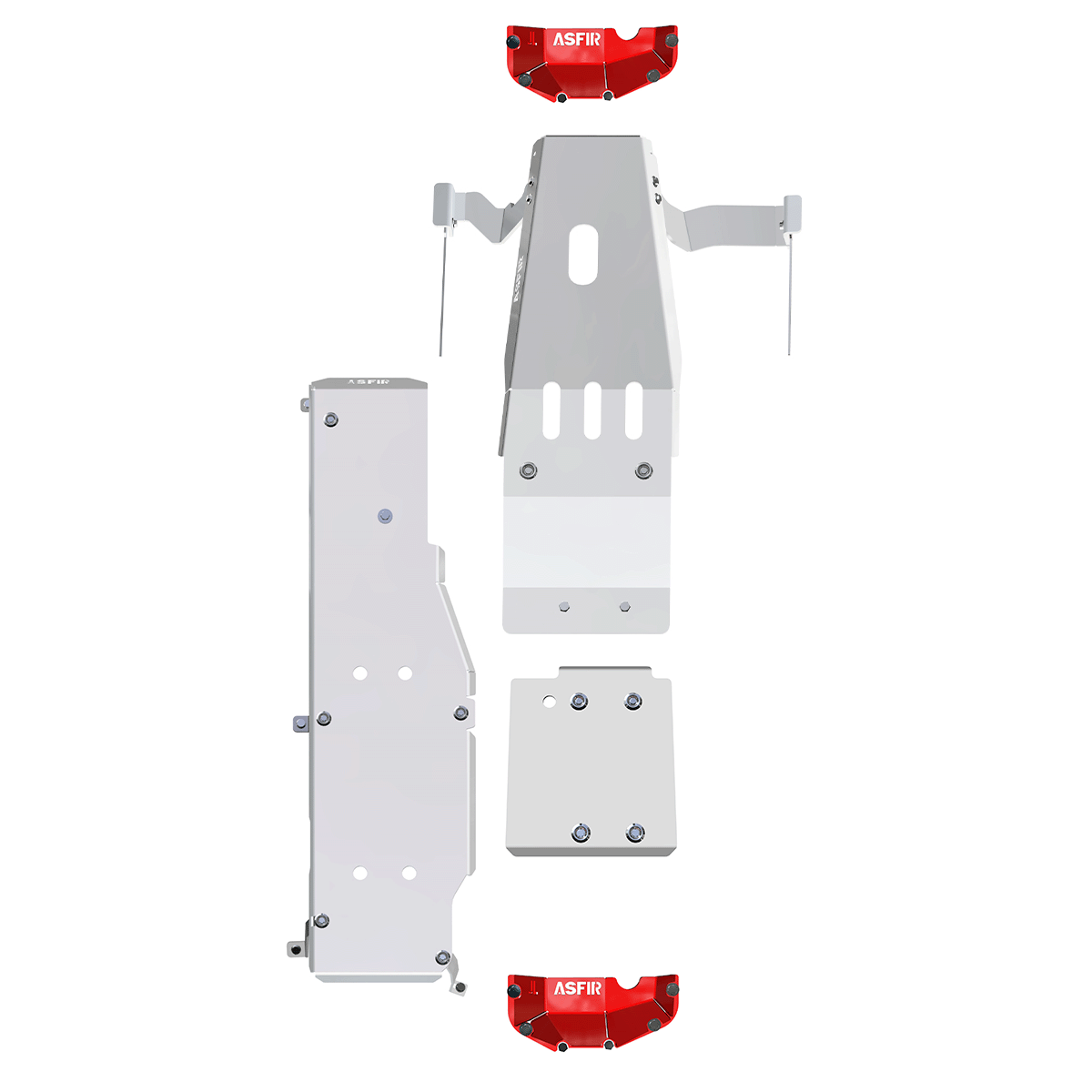
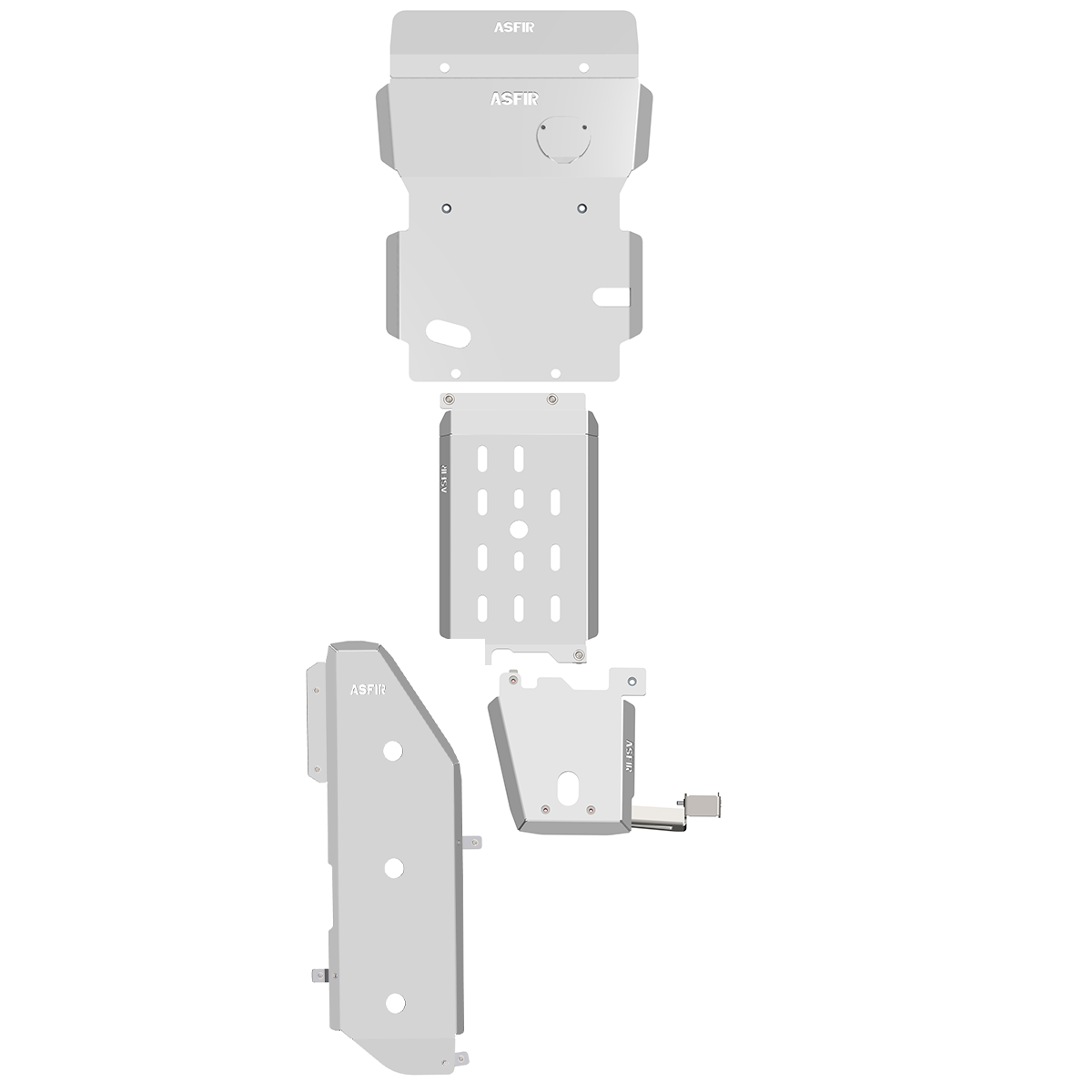
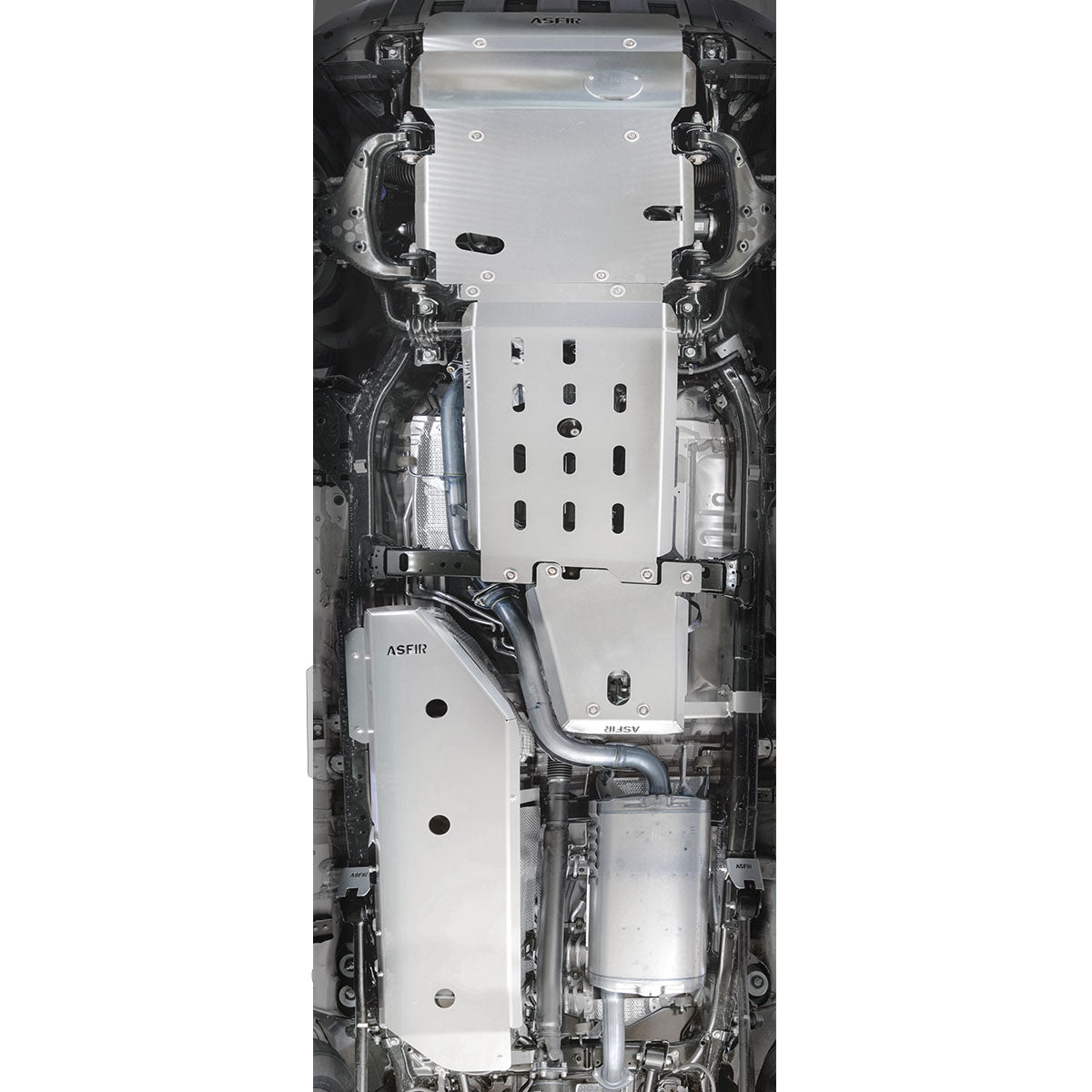
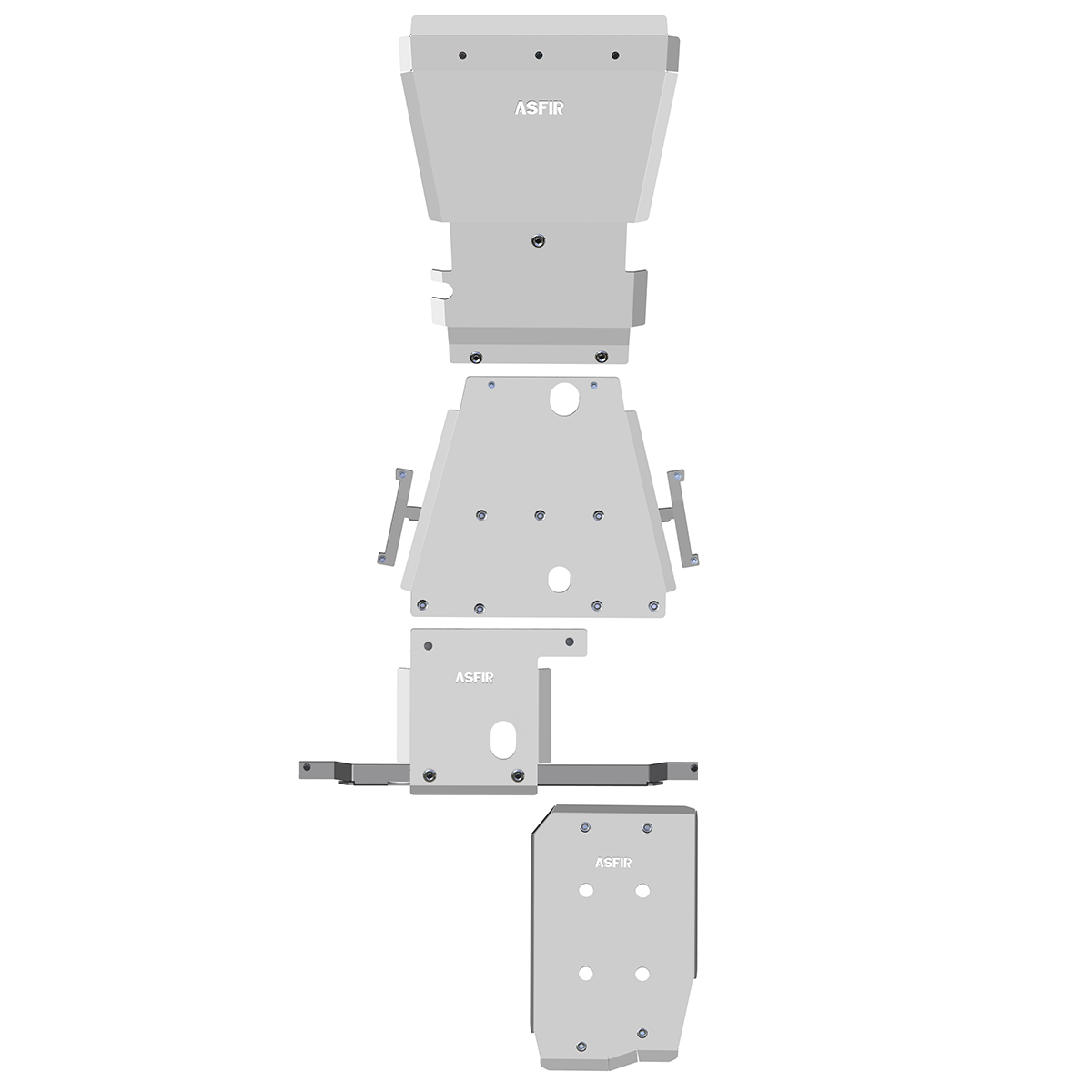
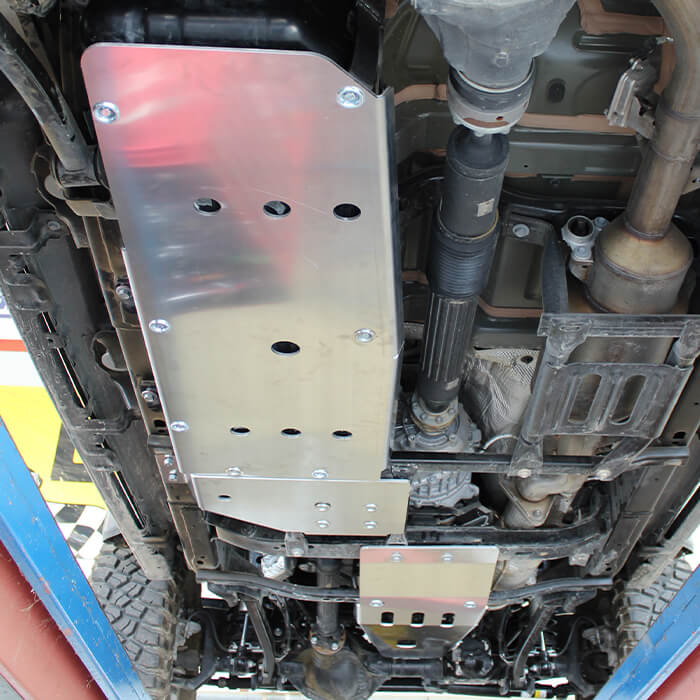
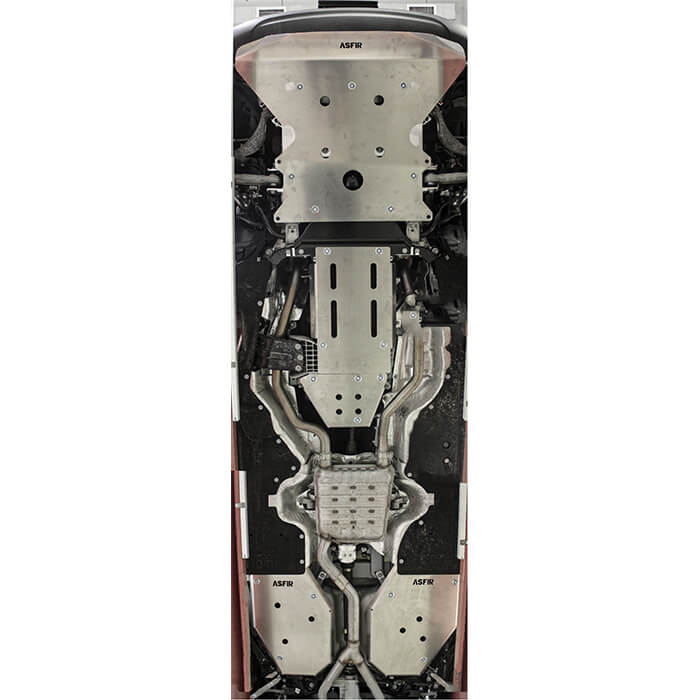
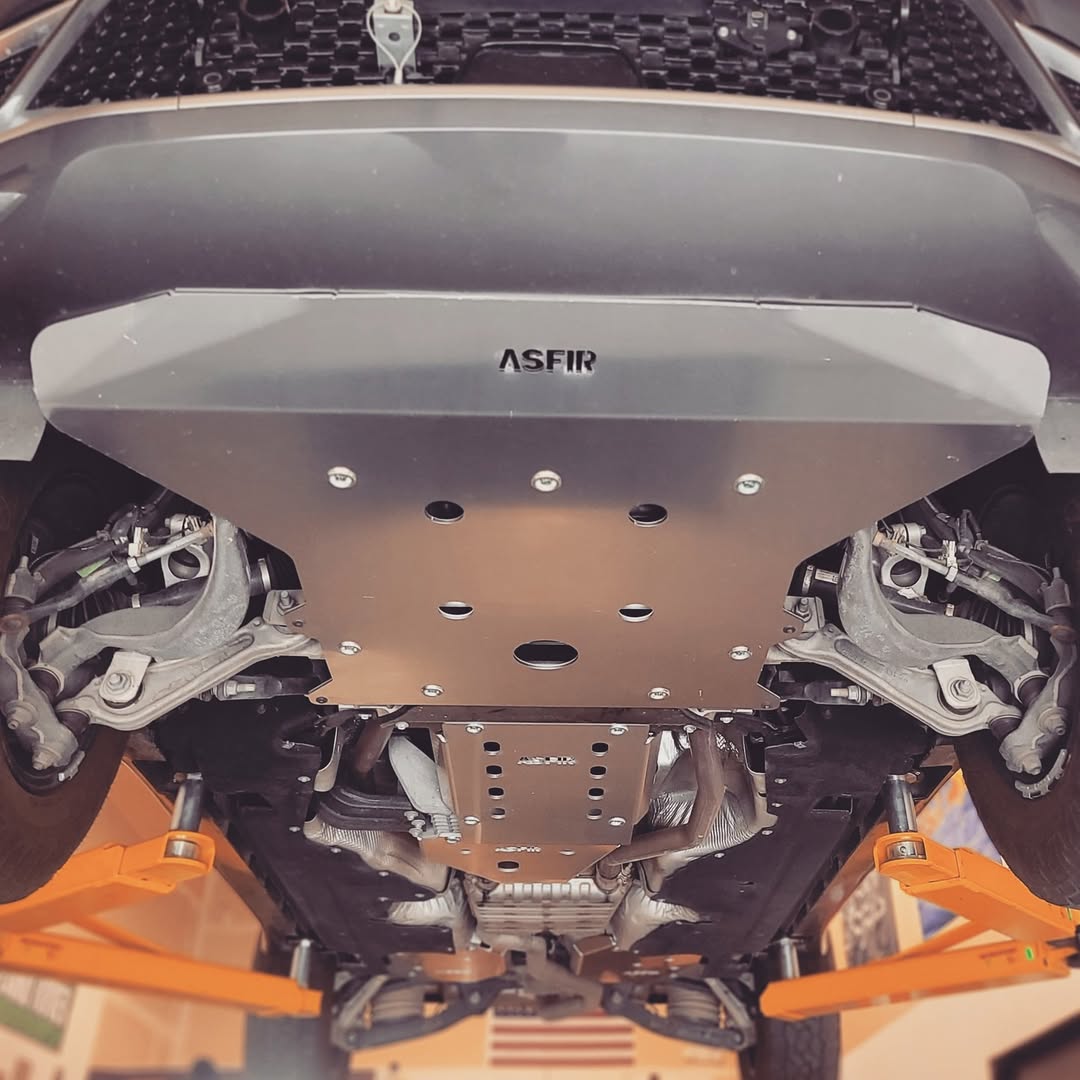
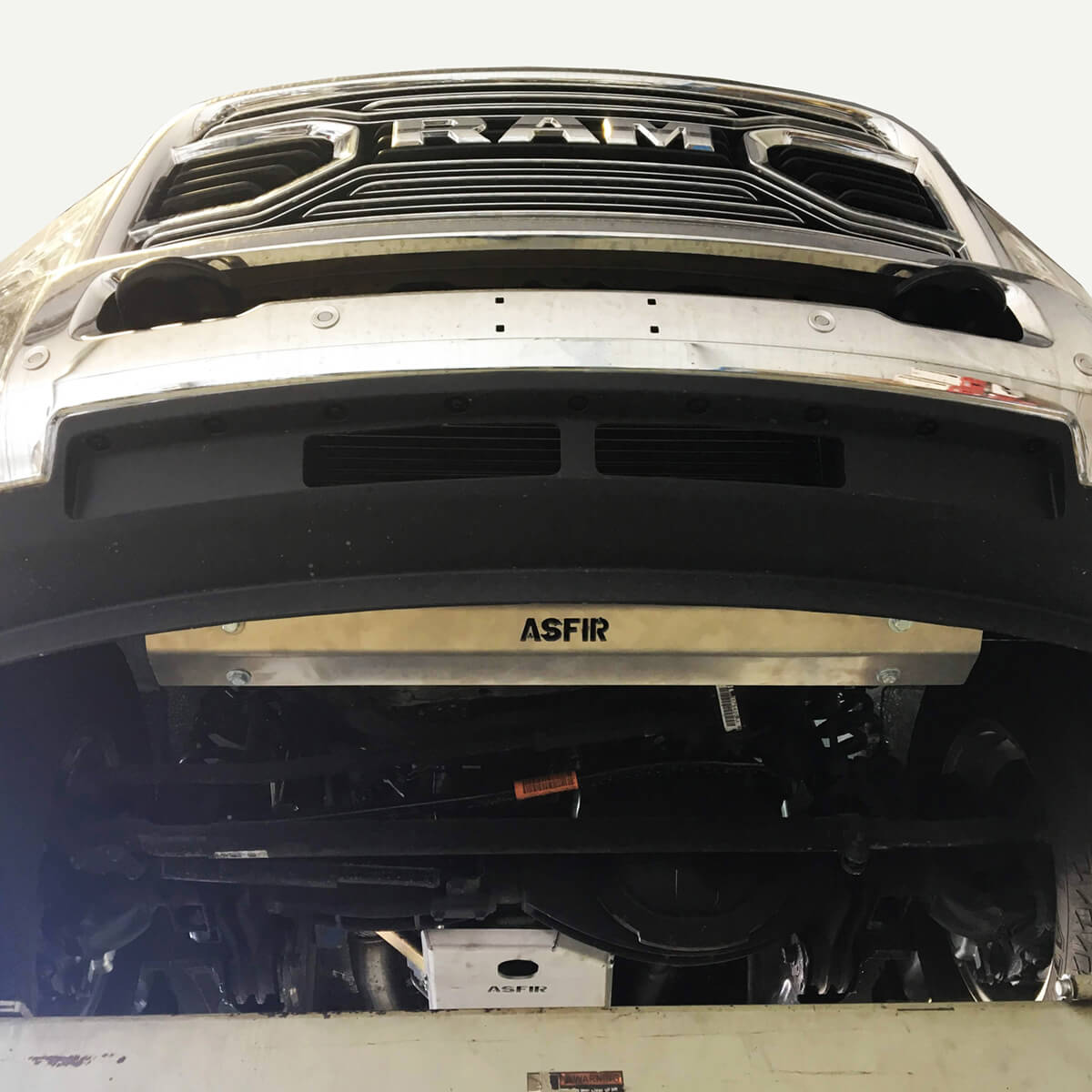
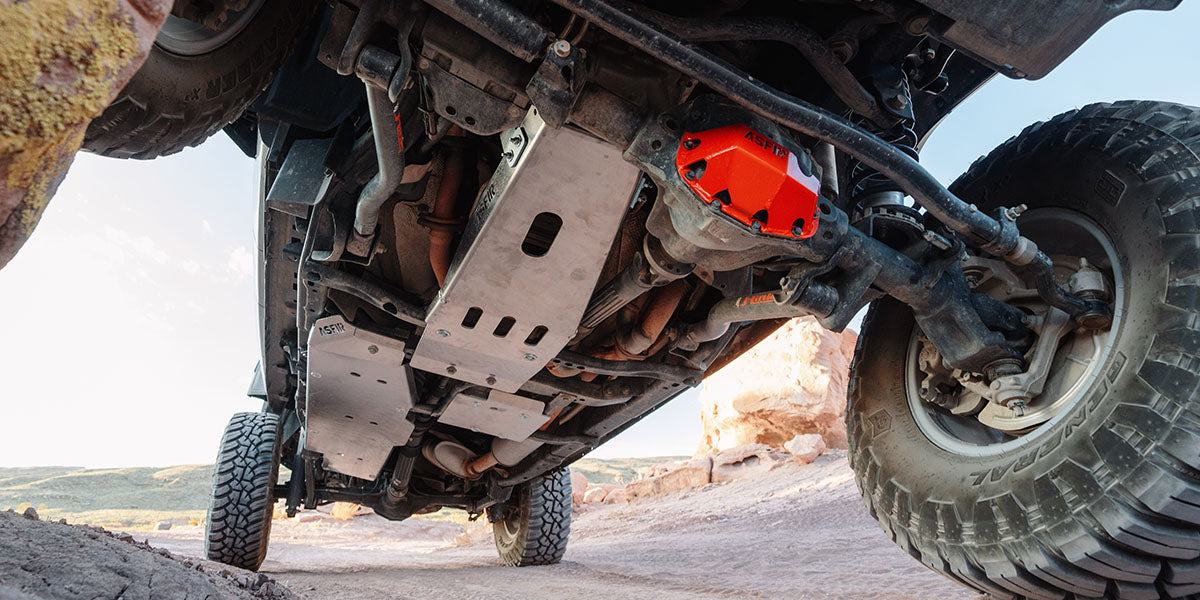
A skid plate is a tough metal or composite panel mounted to the underside of your car, truck, or SUV. Its main function is to act as a shield between your vehicle and debris or obstacles on the road or trail.
Skid plates protect critical components, including:
- Engine
- Transmission
- Oil pan
- Gas tank
Without a skid plate, these parts are exposed to damage that can result in expensive repairs.
Materials and Types of Skid Plates
Skid plates are available in several materials, each with its own pros and cons:
- Steel Skid Plates: Extremely strong and durable, steel offers maximum protection against impacts and debris. However, steel is heavy and can reduce fuel efficiency.
- Plastic/Composite Skid Plates: The lightest option, but also provides the least protection. Best suited for light off-road use or sport driving.
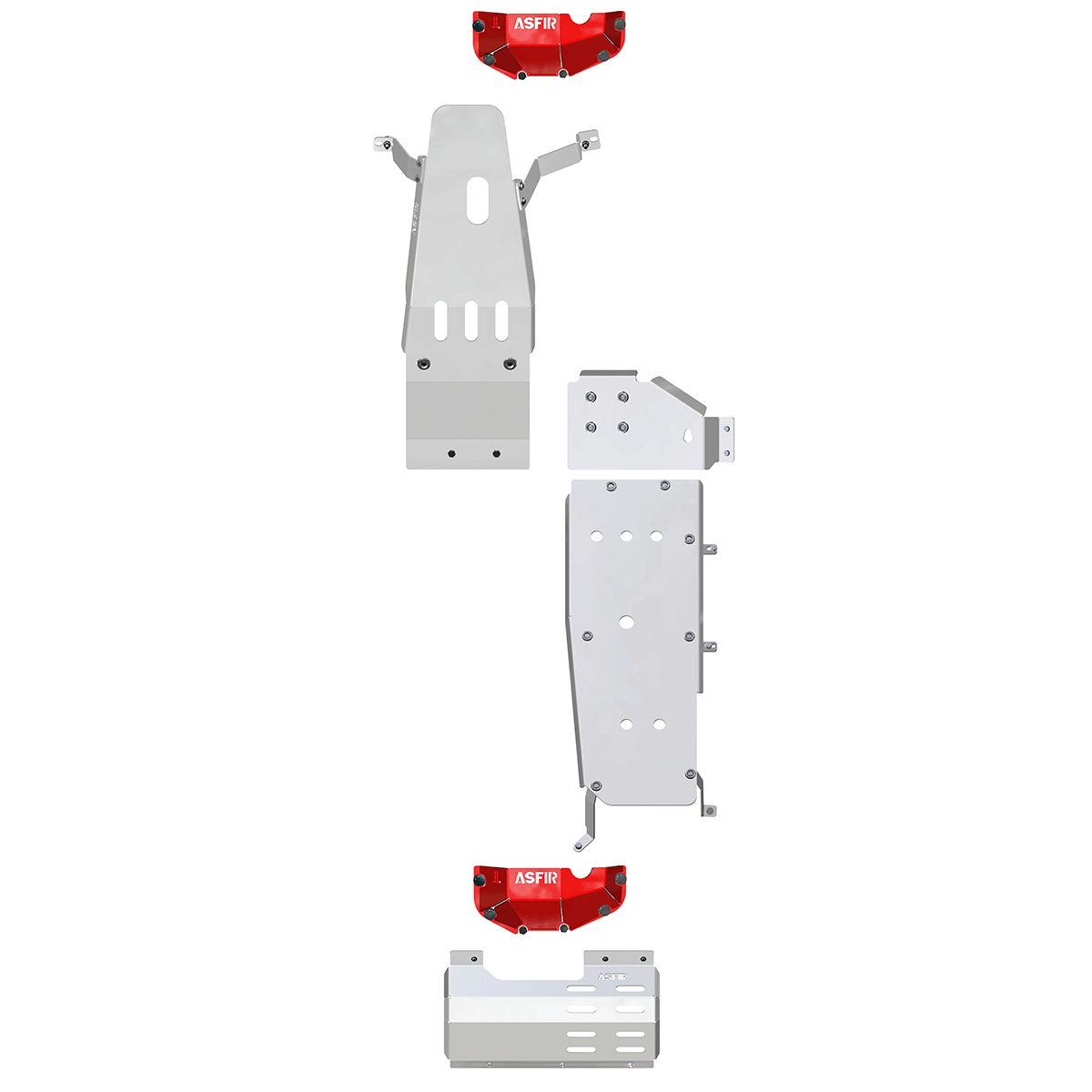
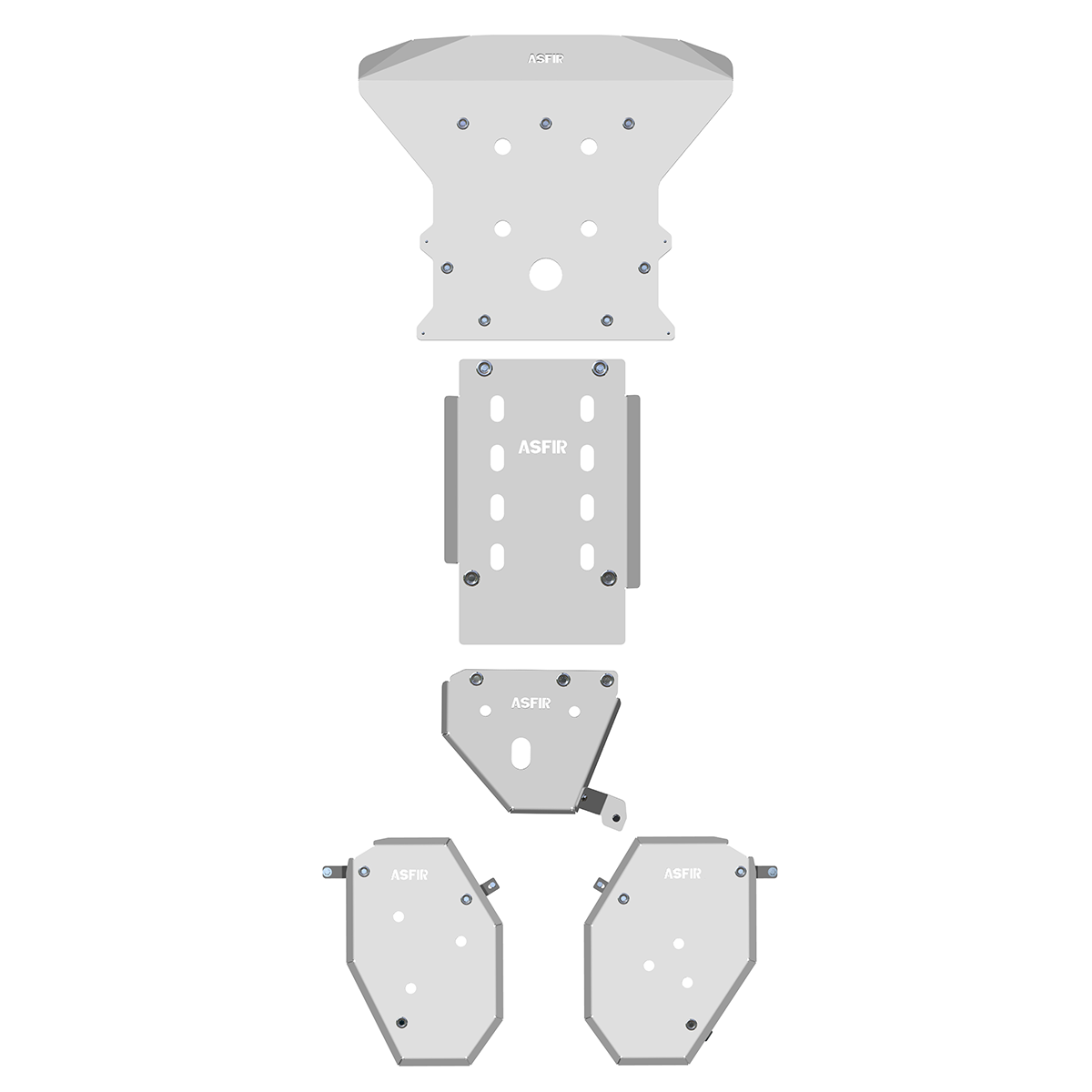
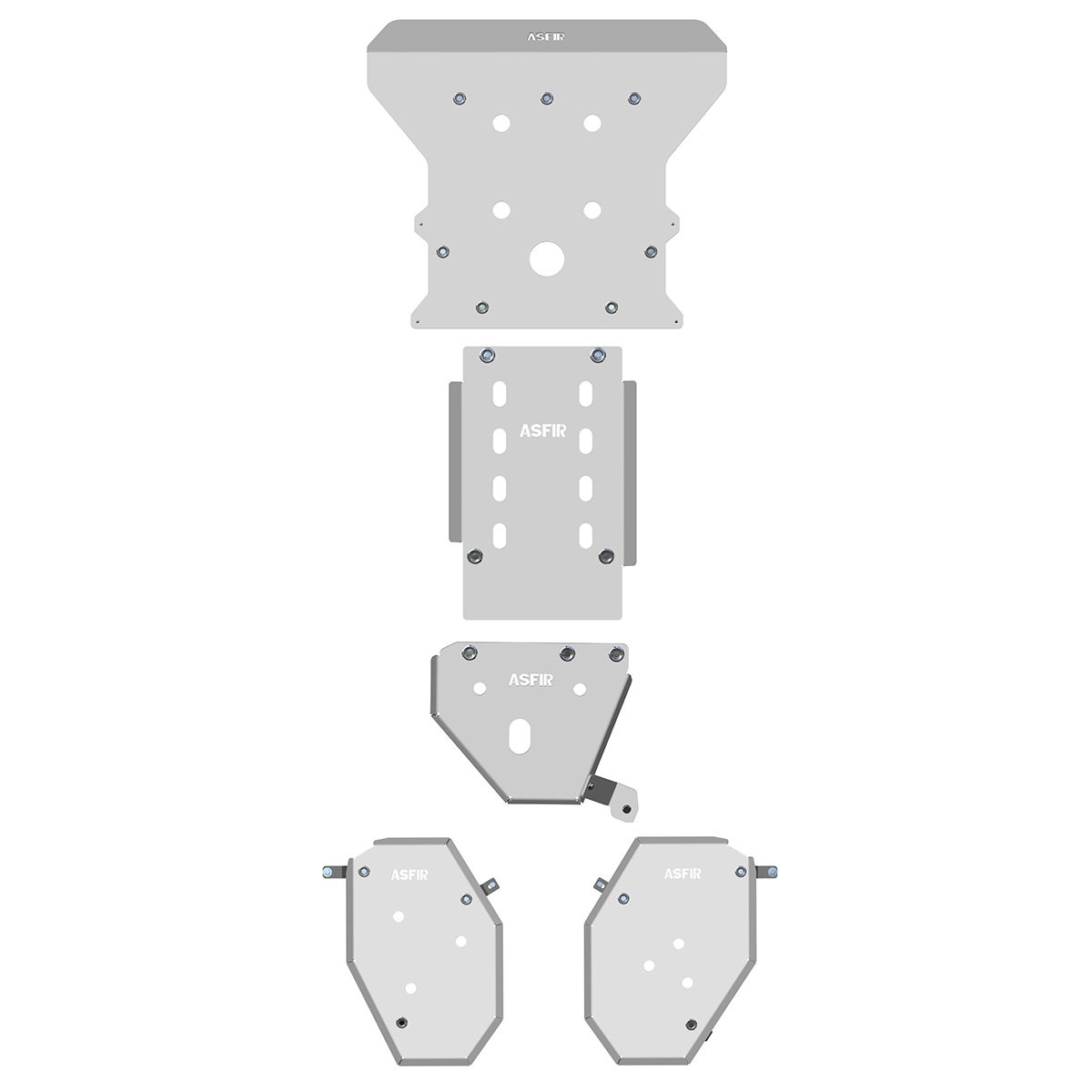
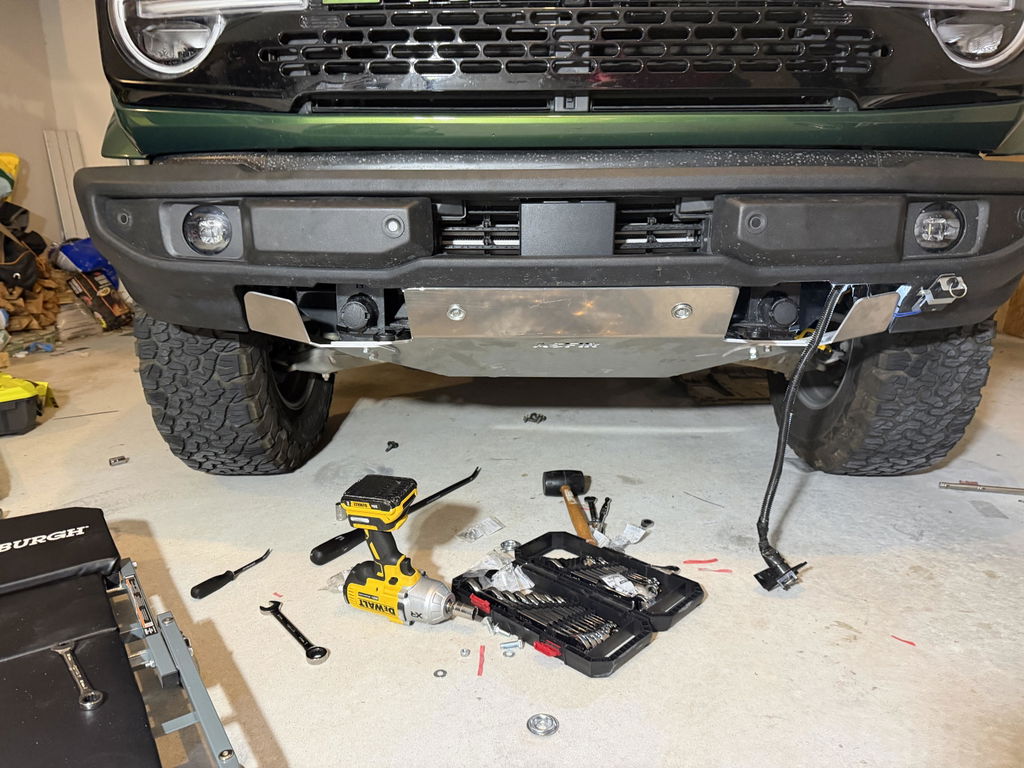
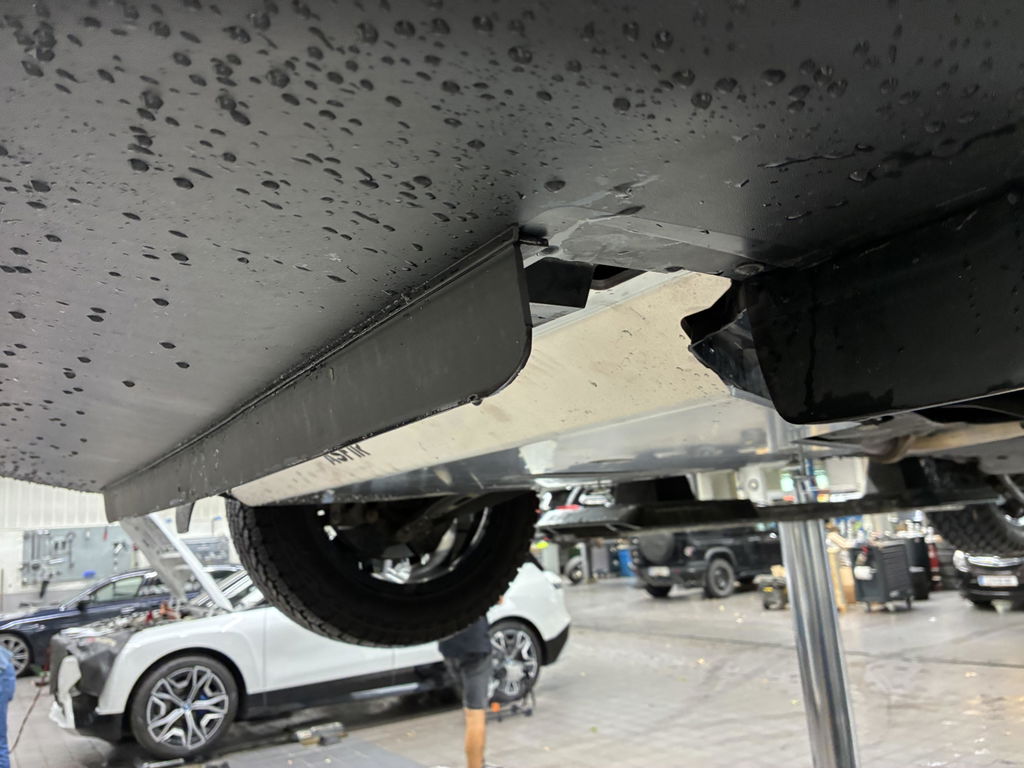
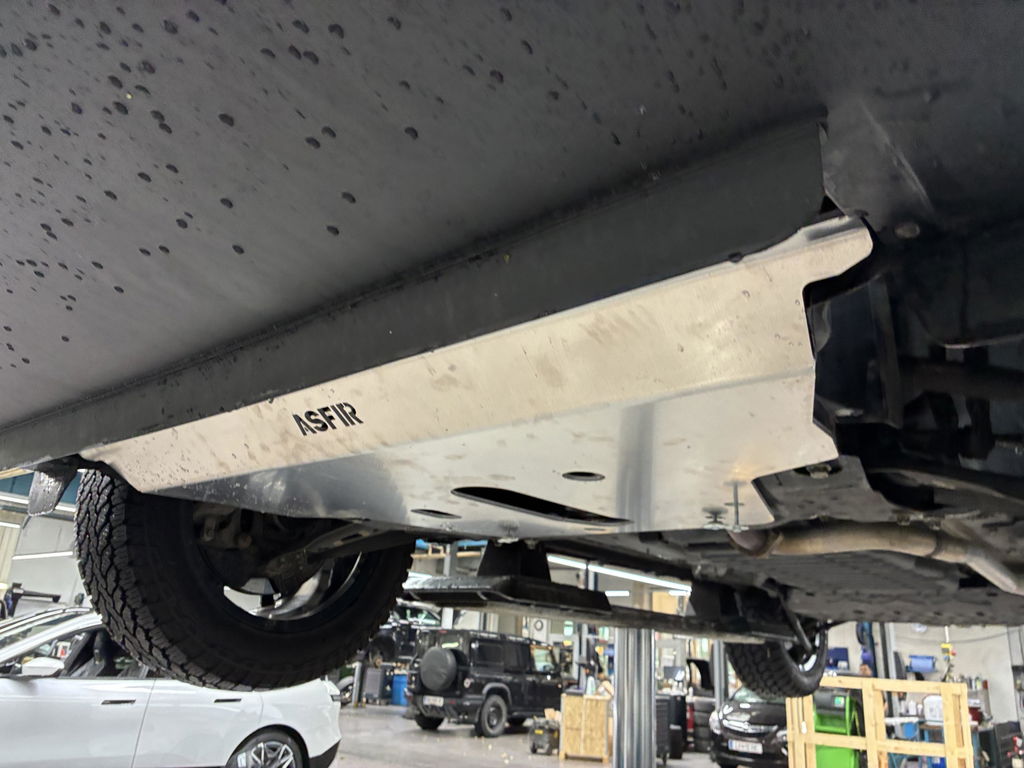
- Aluminum Skid Plates: Lighter than steel and resistant to corrosion, aluminum offers a good balance between protection and weight. ASFIR 4x4 manufactures only aluminum skid plates for this reason.
Types of Damage Without Skid Plates
Driving without a skid plate exposes your vehicle to several types of damage, especially off-road or on poorly maintained roads. Common risks include:
- Punctures to the oil pan
- Transmission damage from curb or rock impacts
- Exhaust system damage
- Gas tank impacts from potholes or debris
A quality skid plate can help prevent all of these issues.

When to Replace Your Skid Plate
Knowing when to replace your skid plate is crucial for ongoing protection. Watch for these key signs:
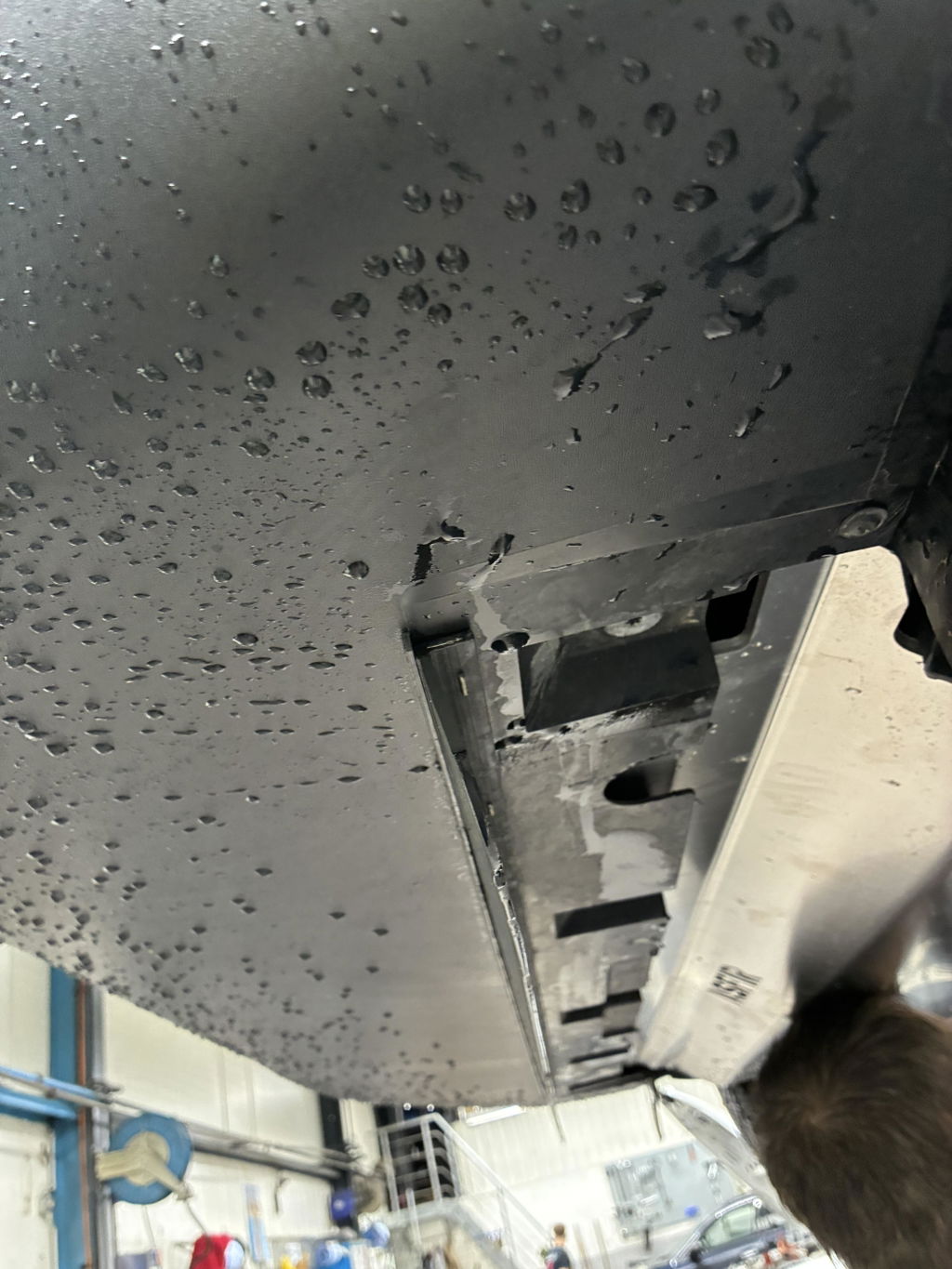
- Visible Damage: Cracks, bends, or punctures mean your skid plate can no longer provide adequate protection.
- Wear and Tear: Over time, scratches and general wear accumulate. Significant wear reduces effectiveness and means replacement is needed.
- Rust and Corrosion: Steel skid plates are especially prone to rust, which weakens the plate. Minor rust can sometimes be cleaned, but extensive corrosion requires replacement.
- After a Major Impact: Any major collision or impact can compromise the skid plate’s structural integrity, even if damage isn’t immediately visible.

Why Replacing Your Skid Plate Is Crucial
Timely skid plate replacement is essential for several reasons:
- Protecting Vital Components: A new skid plate ensures your engine, transmission, and other critical parts are shielded from damage.
- Preventing Costly Repairs: Damaged or missing skid plates leave your vehicle vulnerable to impacts that can lead to expensive repairs, such as oil pan or engine damage.
- Maintaining Off-Road Performance: A properly functioning skid plate allows your vehicle to handle tough terrain without hesitation.
- Enhancing Safety: Protecting the underside of your vehicle reduces the risk of breakdowns and accidents, keeping you and your passengers safer.
Protect Your Vehicle with Durable and Lightweight Aluminum Skid Plates
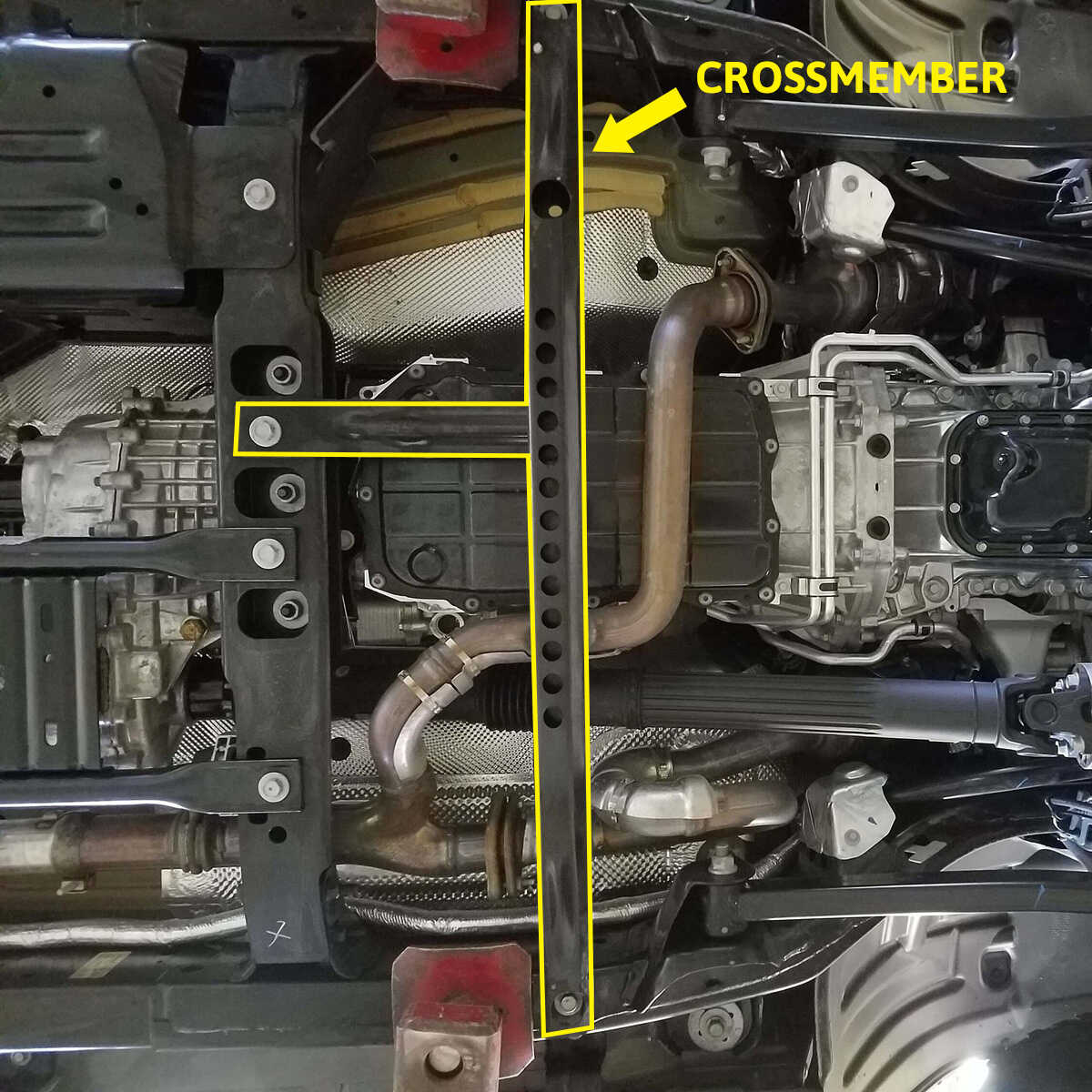
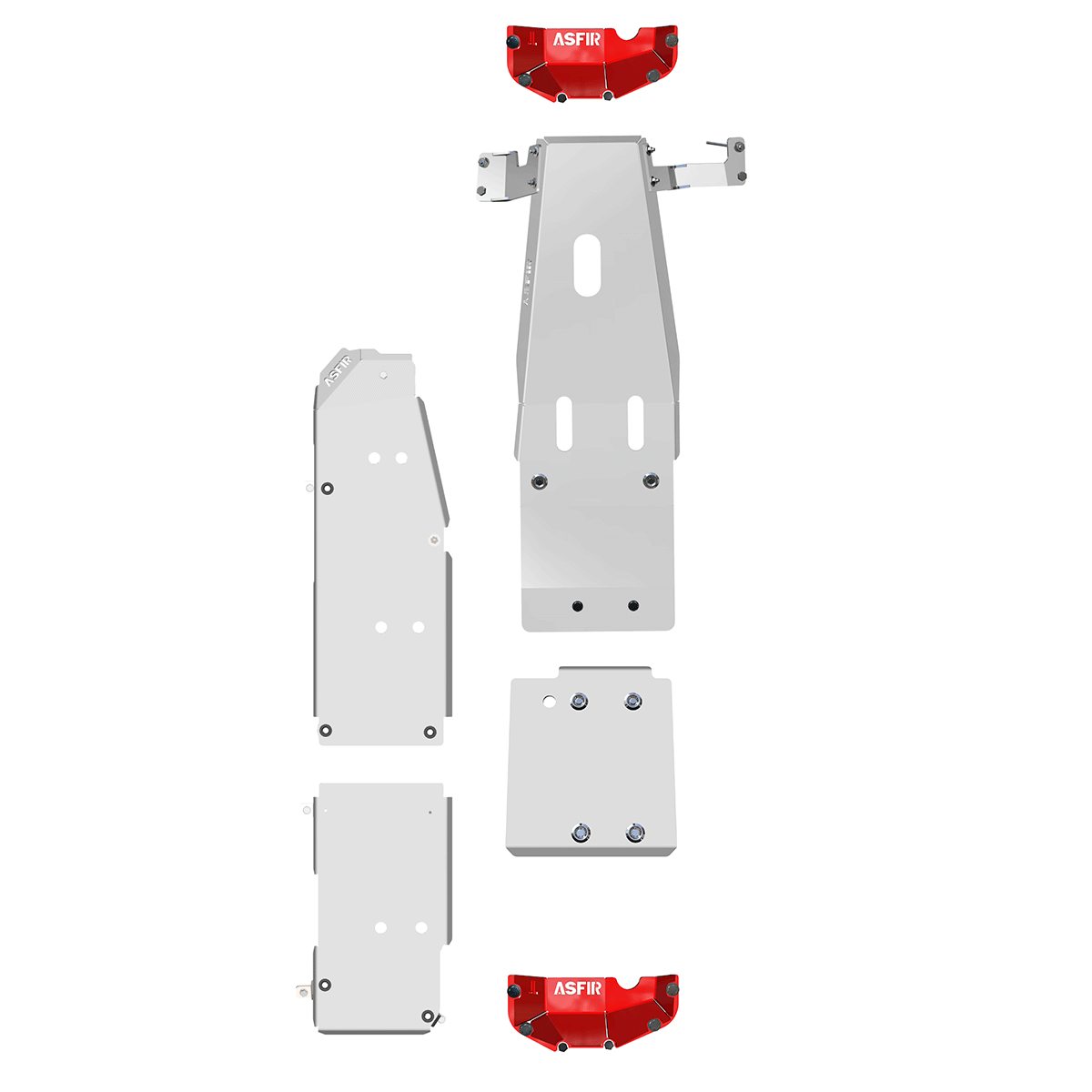
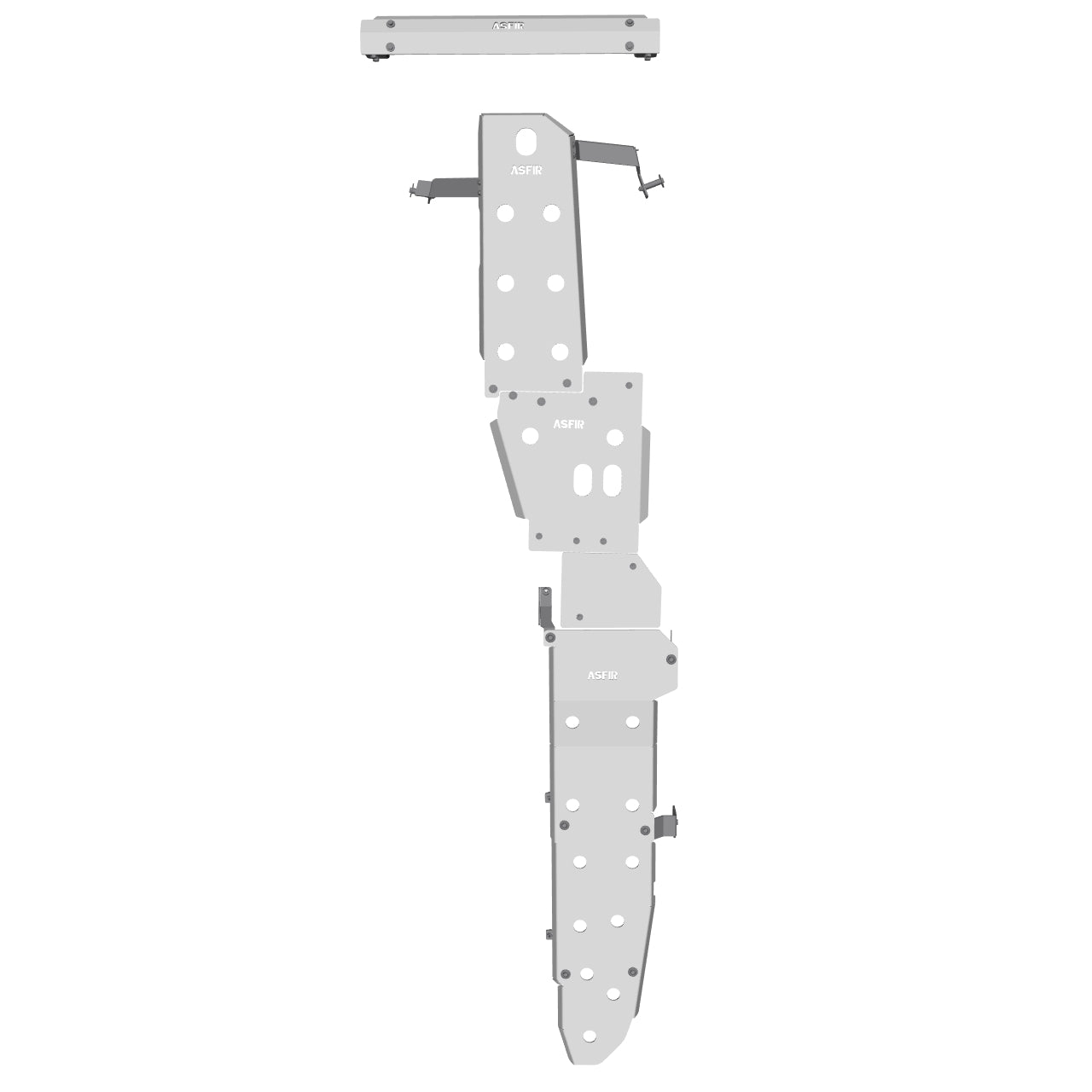
ASFIR 4x4 offers easy-to-install aluminum skid plates for most makes and models of cars, trucks, and SUVs. These plates attach to your vehicle’s chassis and are designed to protect critical systems from debris, impacts, and other hazards. Explore our inventory to give your vehicle the protection it deserves in 2026 and beyond.

Frequently Asked Questions
How often should I inspect or replace my skid plate?
If you frequently drive on rough terrain, inspect your skid plate every six to nine months and consider replacement as needed. For occasional off-road use, inspect and potentially replace your skid plate every 12 to 24 months.
Can I repair a damaged skid plate instead of replacing it?
Minor scratches or scrapes can often be repaired. However, if your skid plate has cracks, holes, or significant structural damage, it should be replaced immediately to ensure proper protection.
Do I need a skid plate if I only drive on paved roads?
While skid plates are designed for off-road use, they can still provide benefits on paved roads by protecting your vehicle from debris and unexpected road hazards, especially on poorly maintained streets.