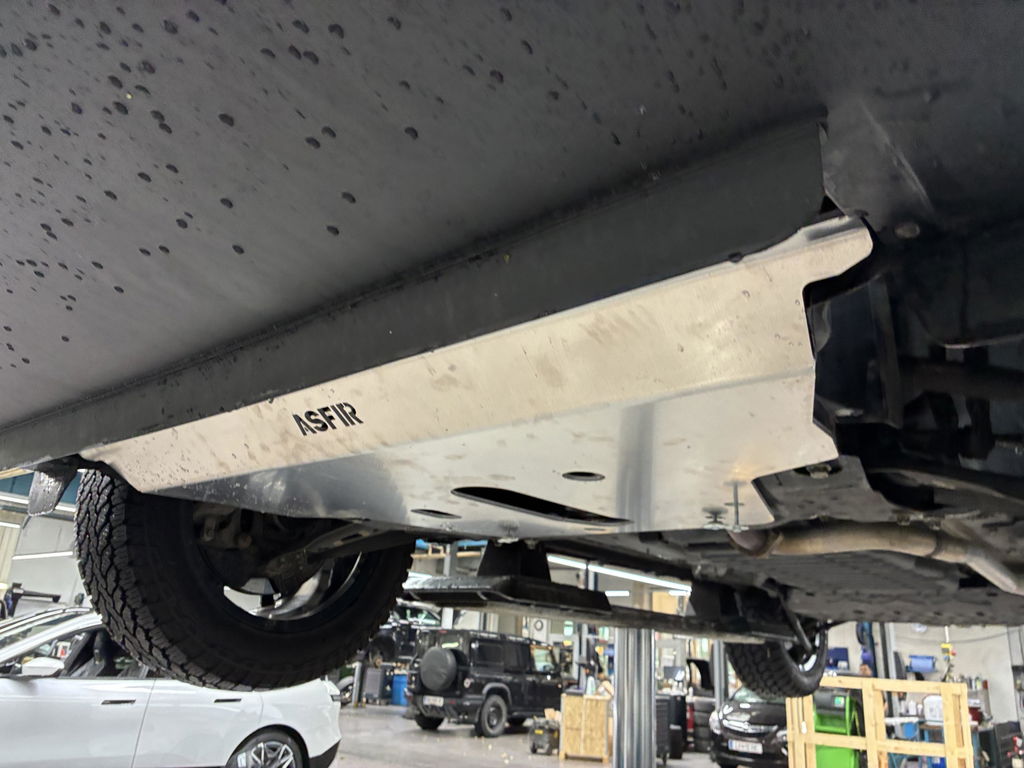
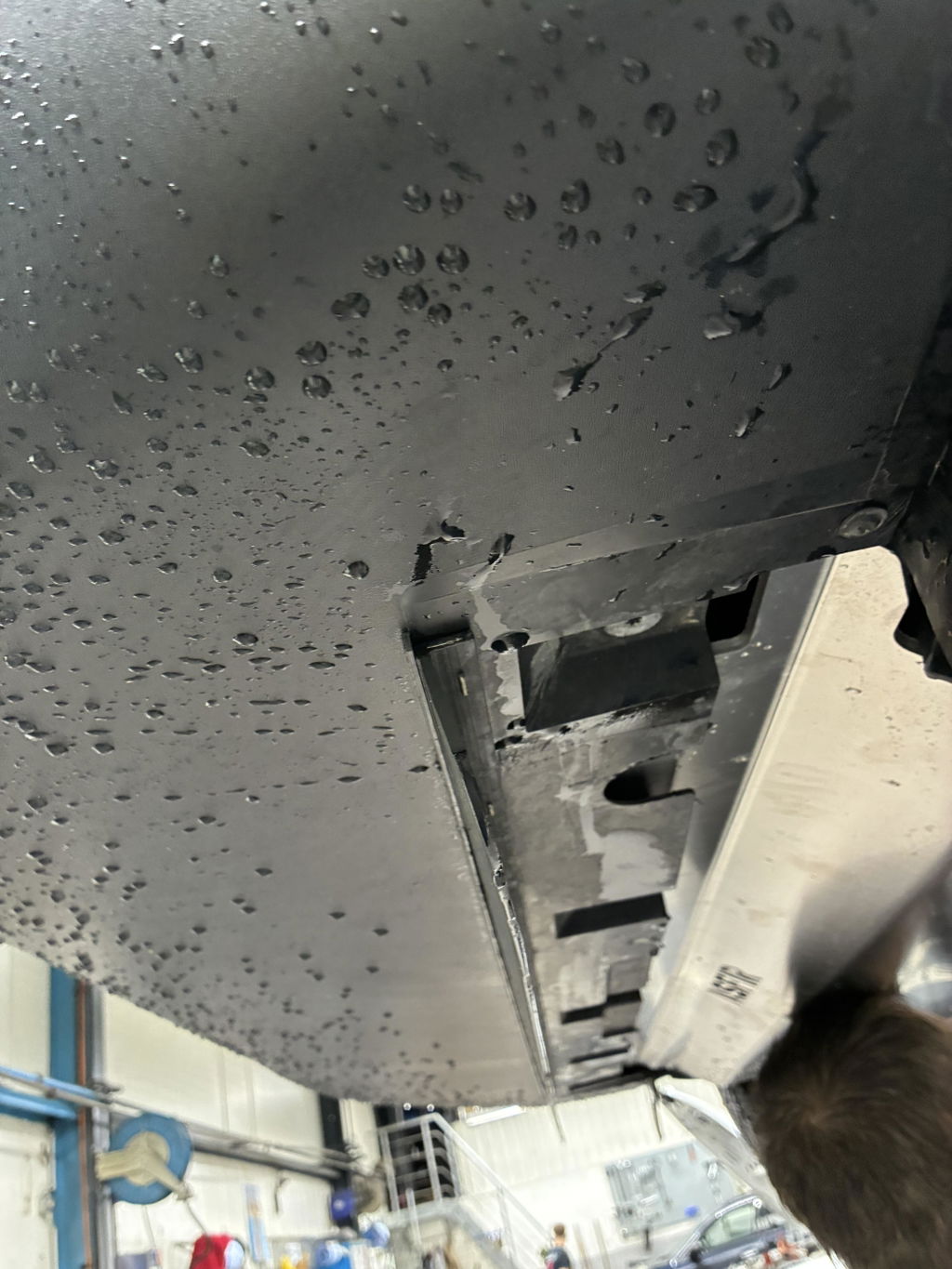
Front Skid Plate: Why Protection Matters for Off-Road Vehicles
Protecting the front of your vehicle is essential for anyone who enjoys off-road driving. Rough terrain can expose your engine, suspension, and tires to unexpected hazards. One of the most important but often overlooked upgrades is the front skid plate—a simple shield that protects your vehicle’s most sensitive components.
This article explains the crucial role of the front skid plate, why it matters for off-road performance and durability, and which materials offer the best protection in 2026.
What Is a Front Skid Plate and What Does It Do?
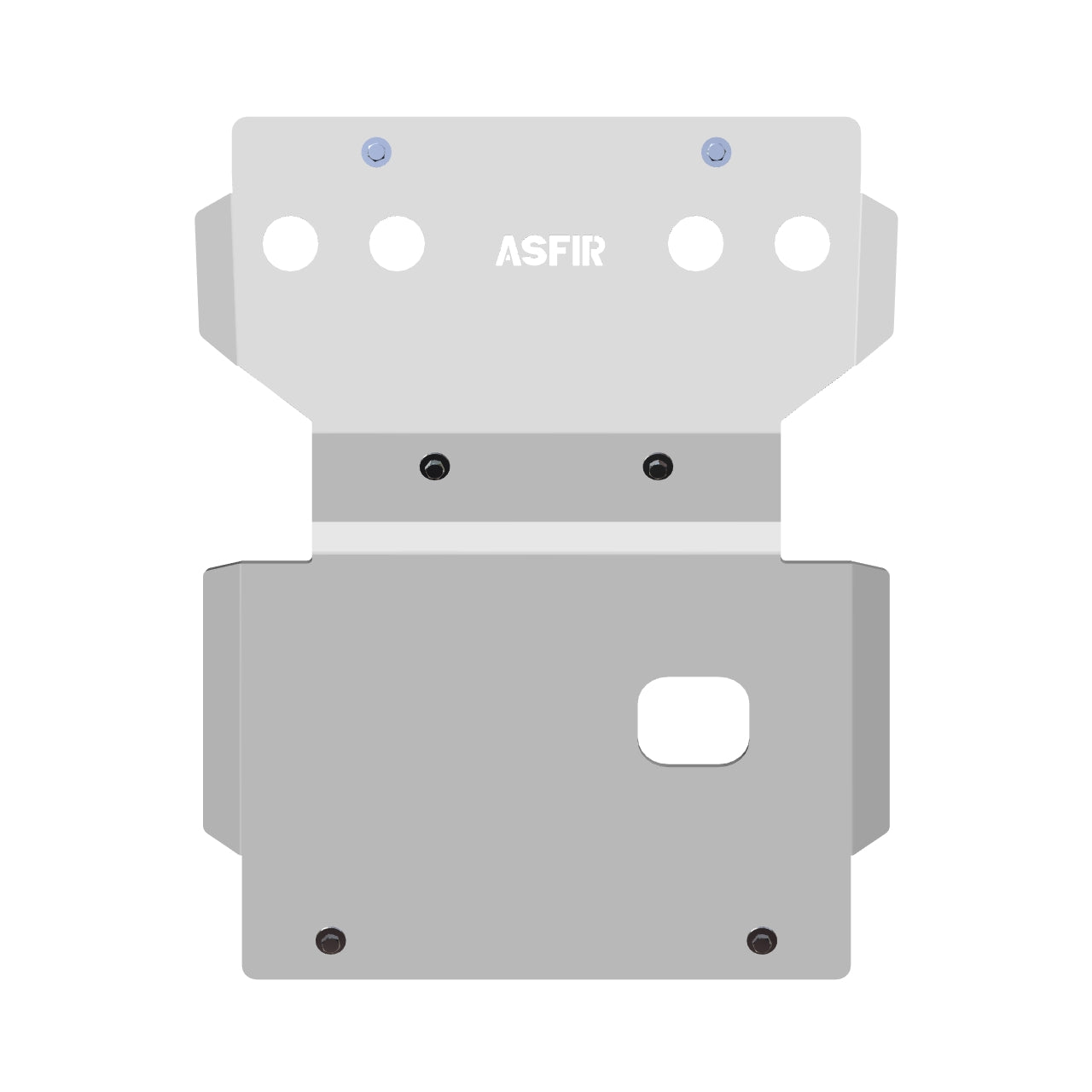
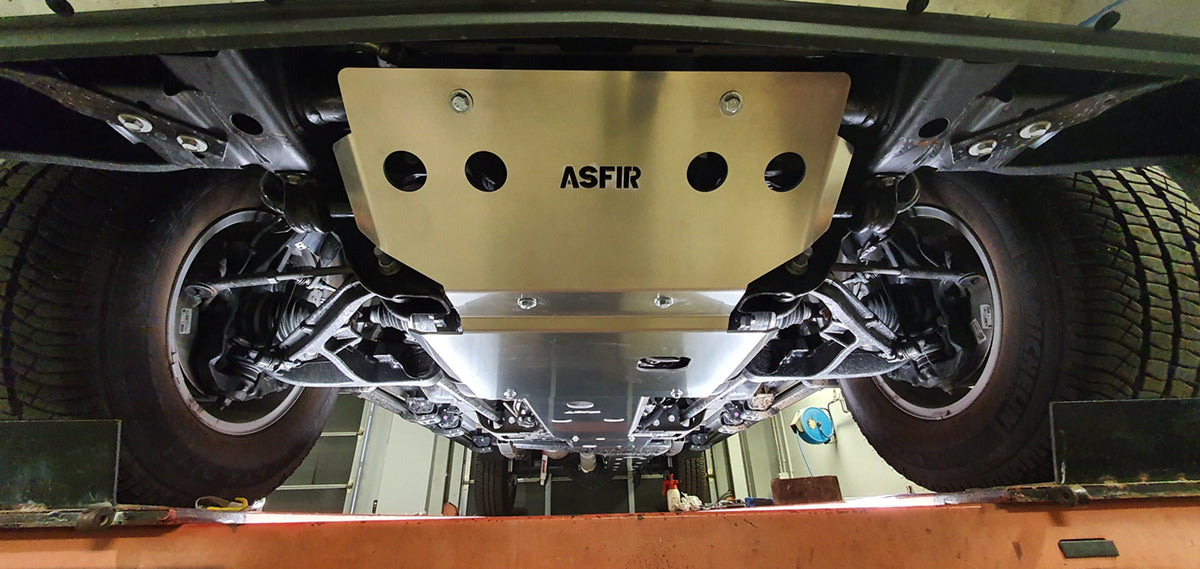
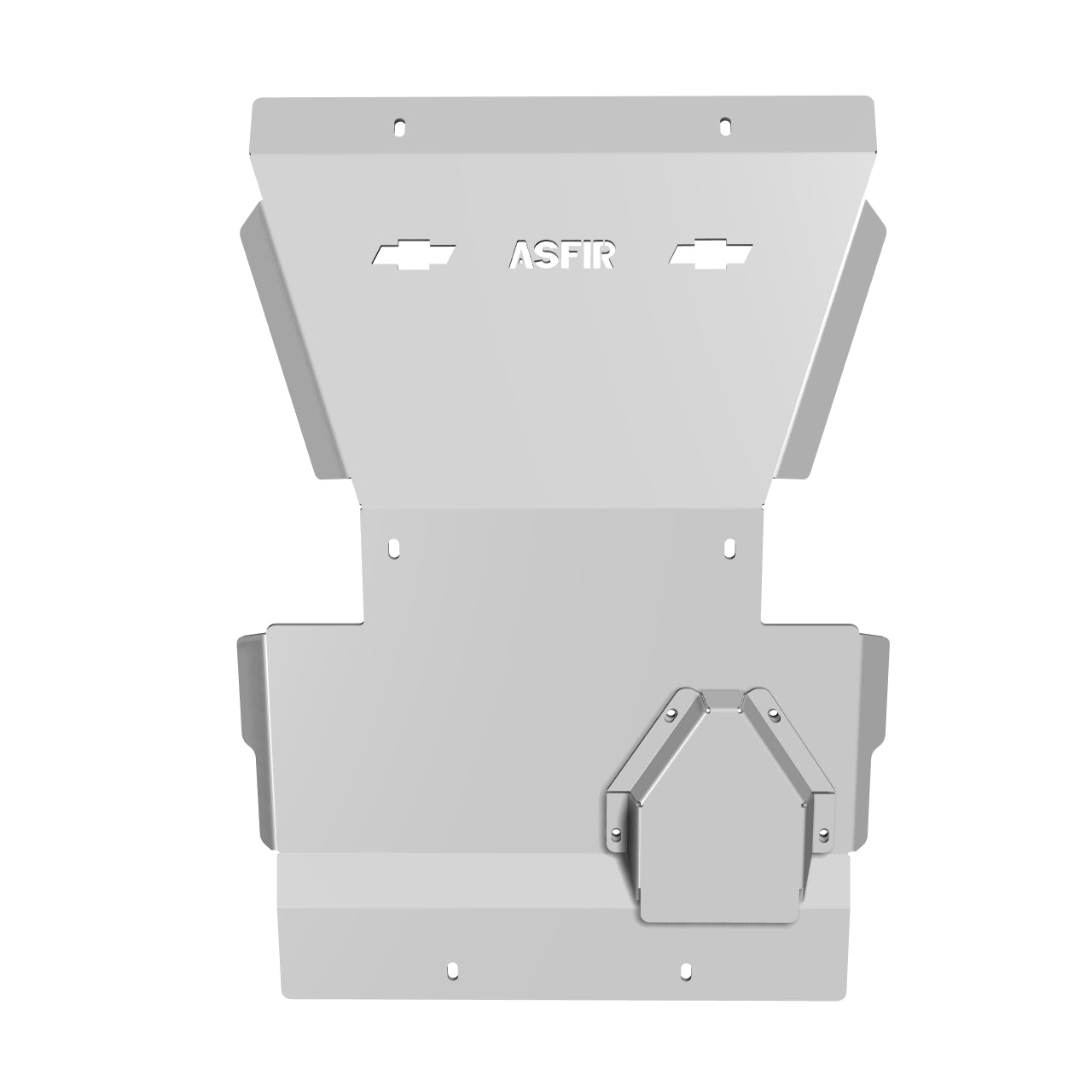
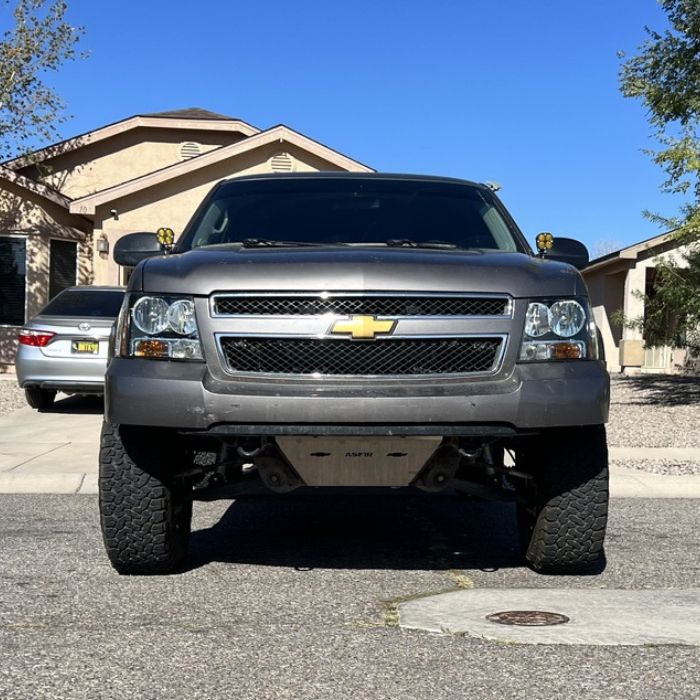
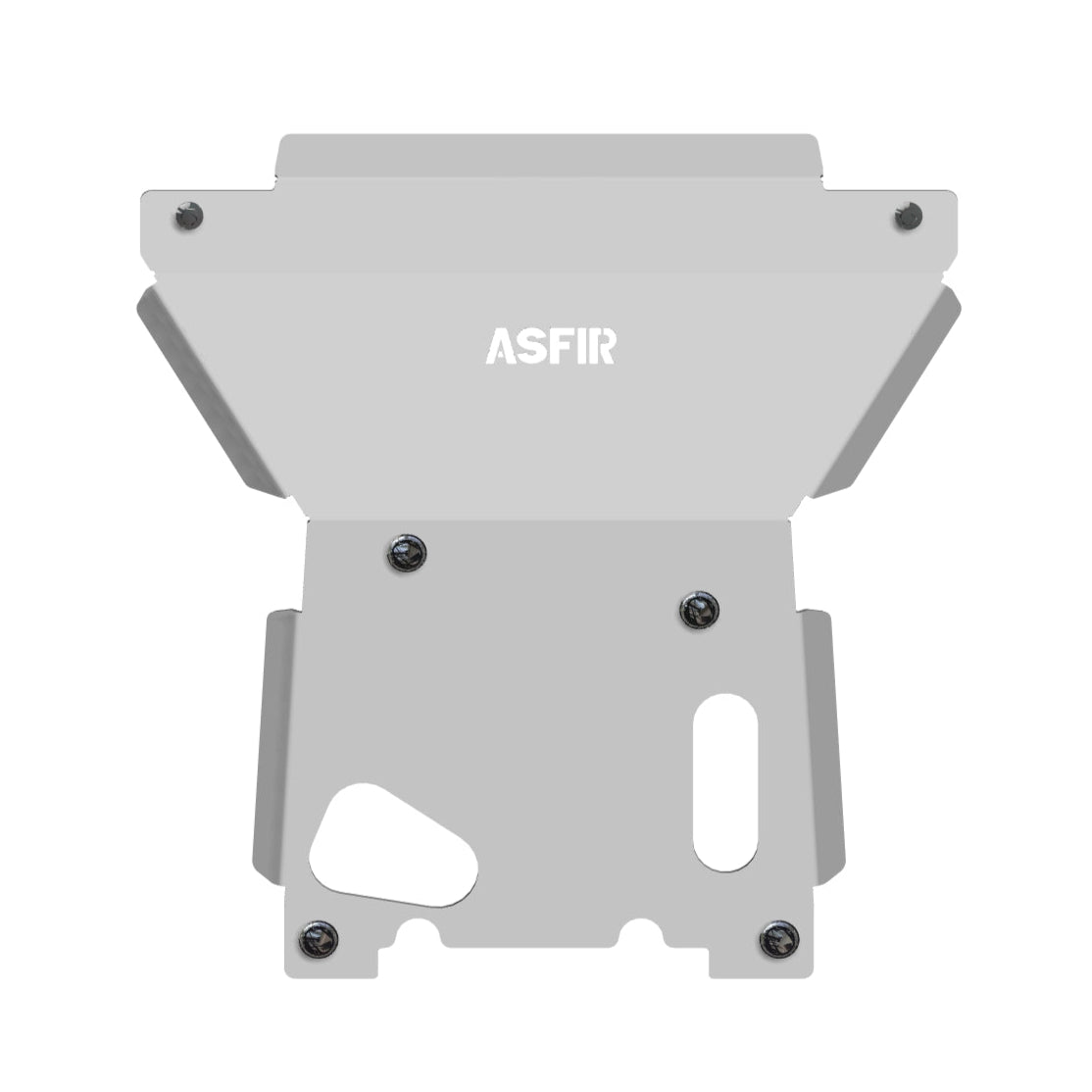
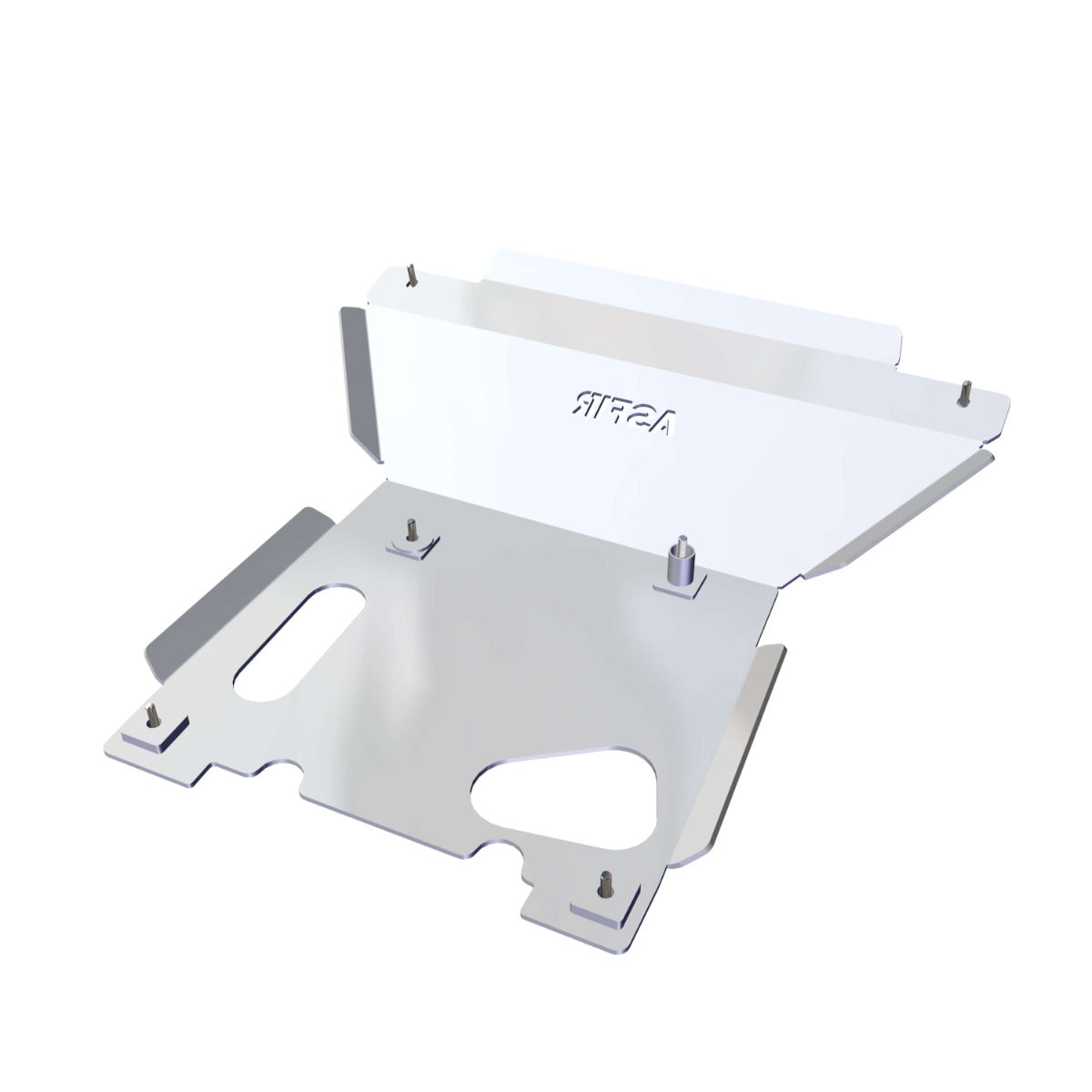
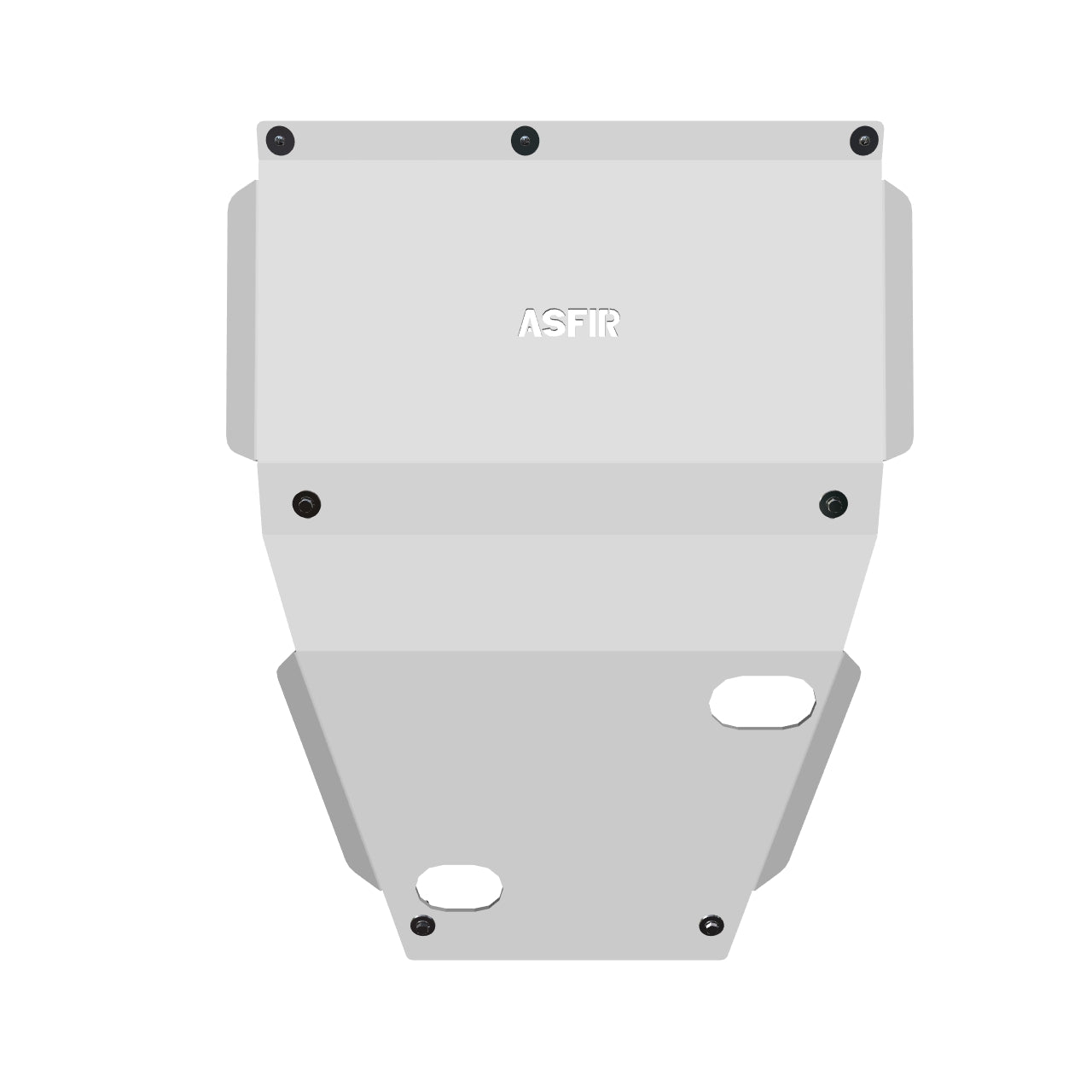
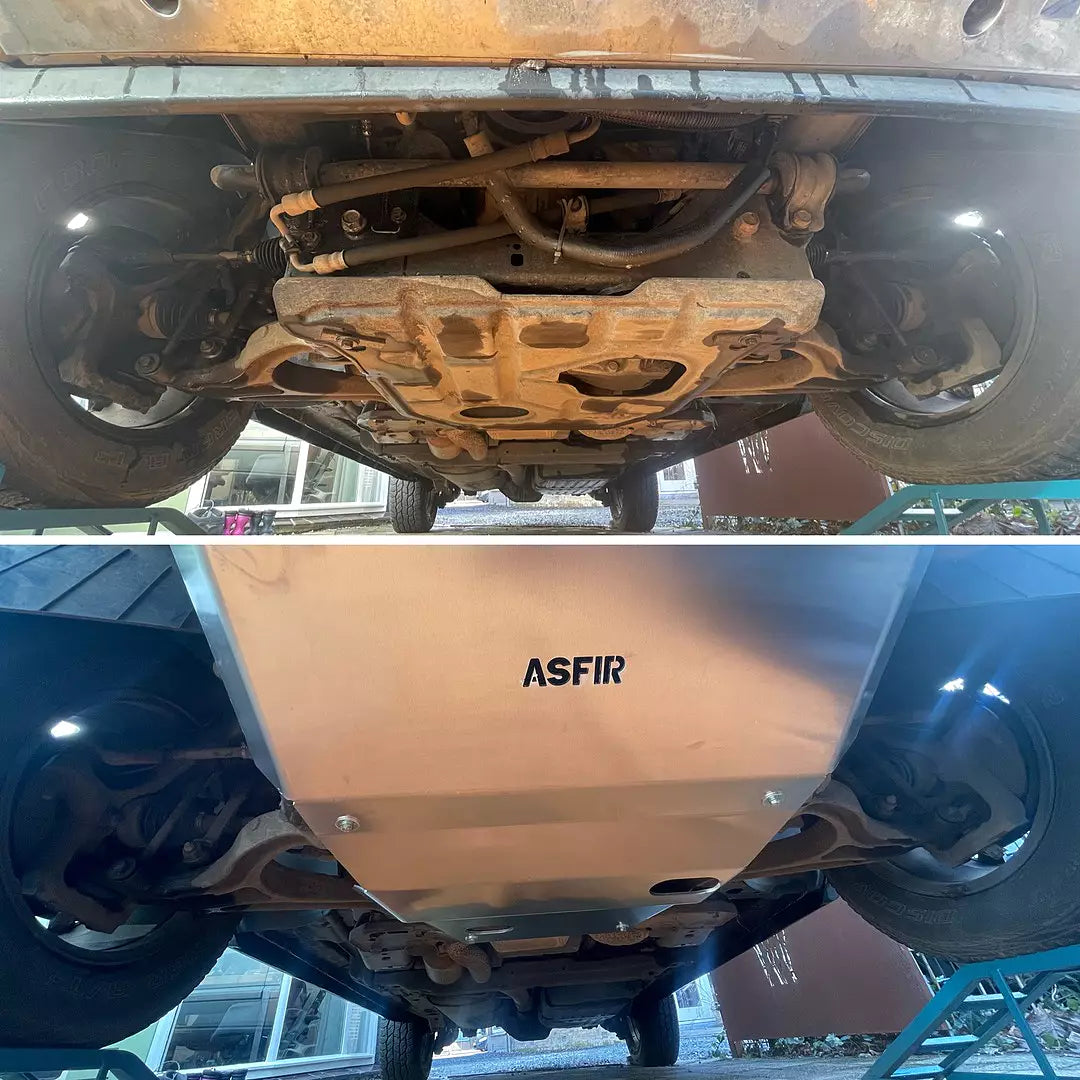
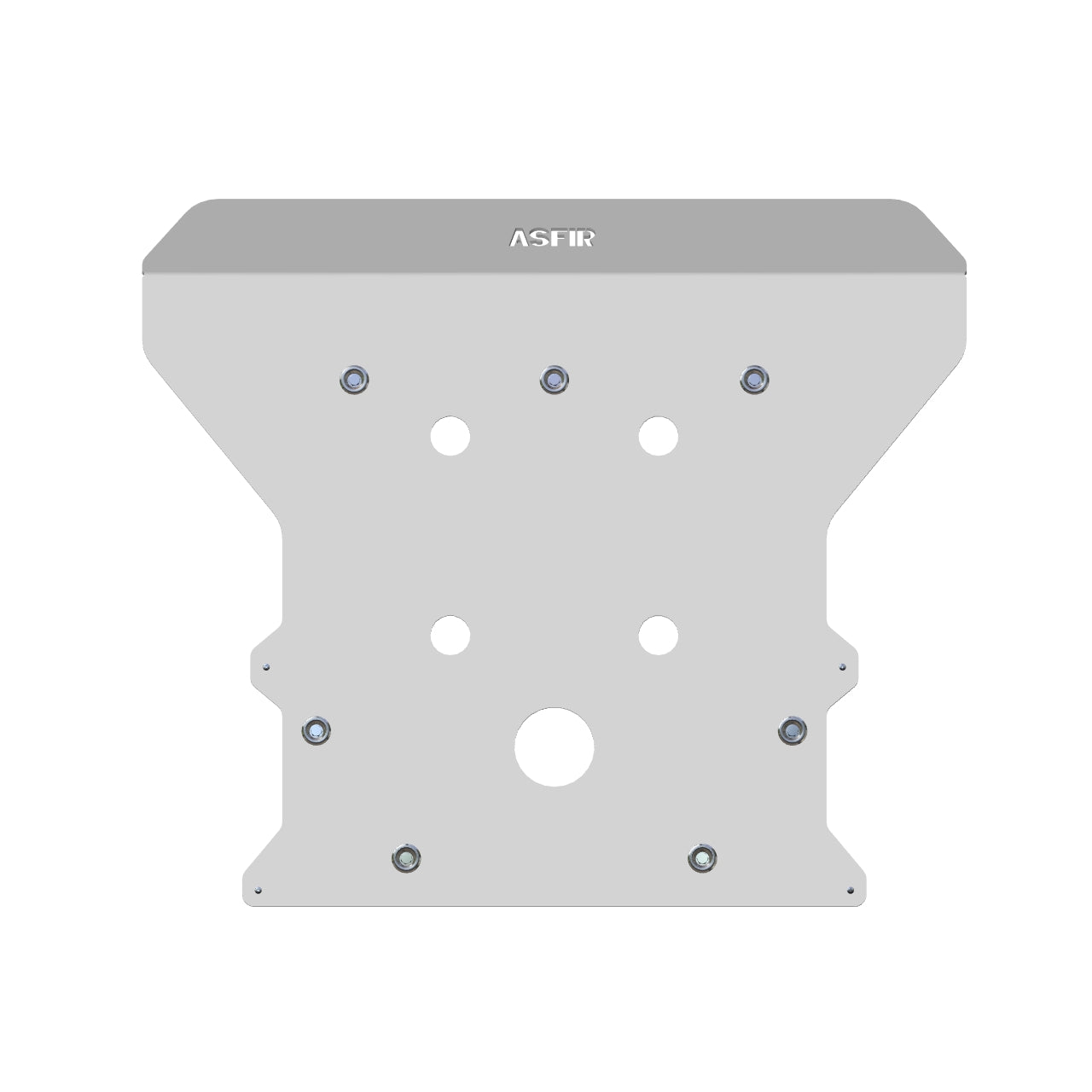
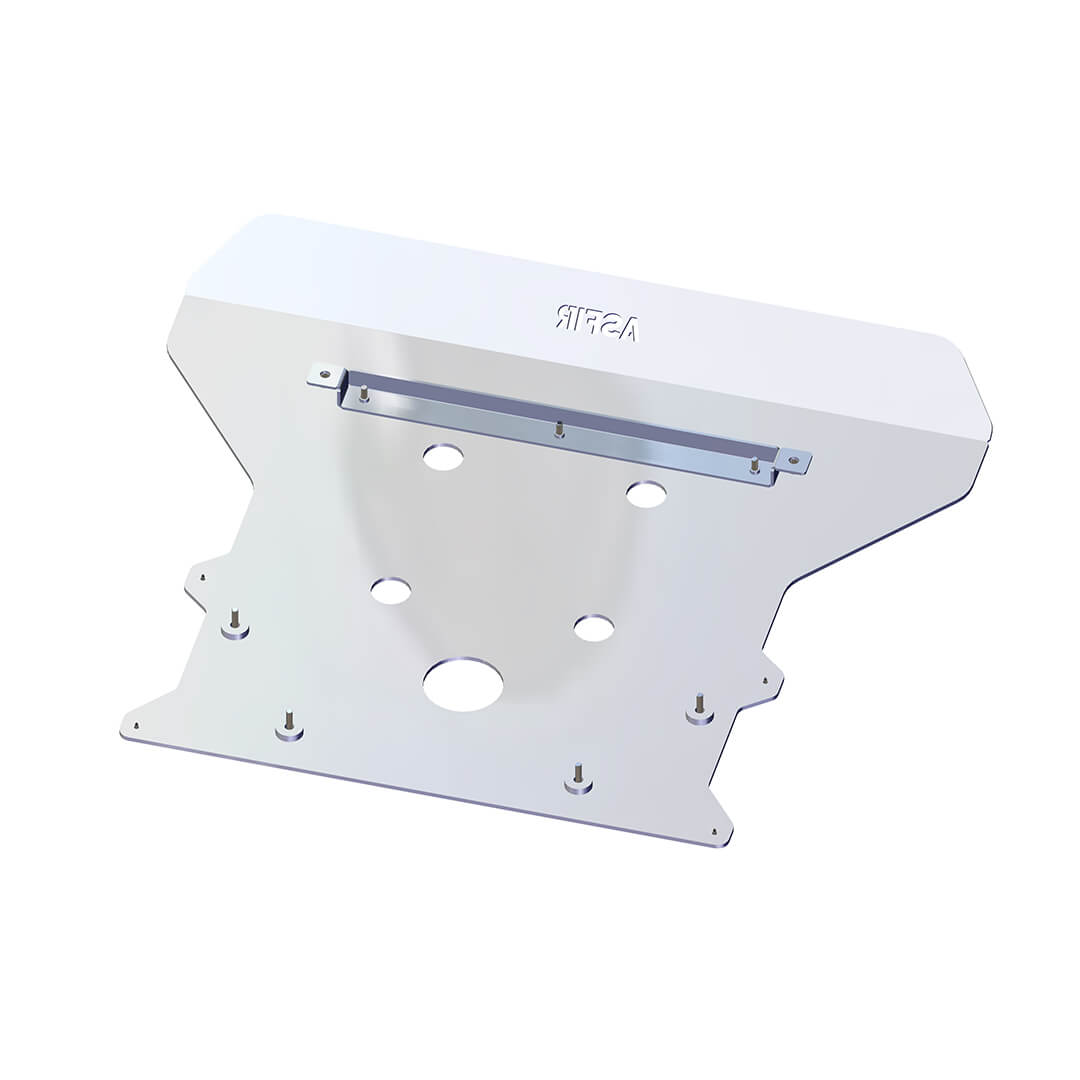
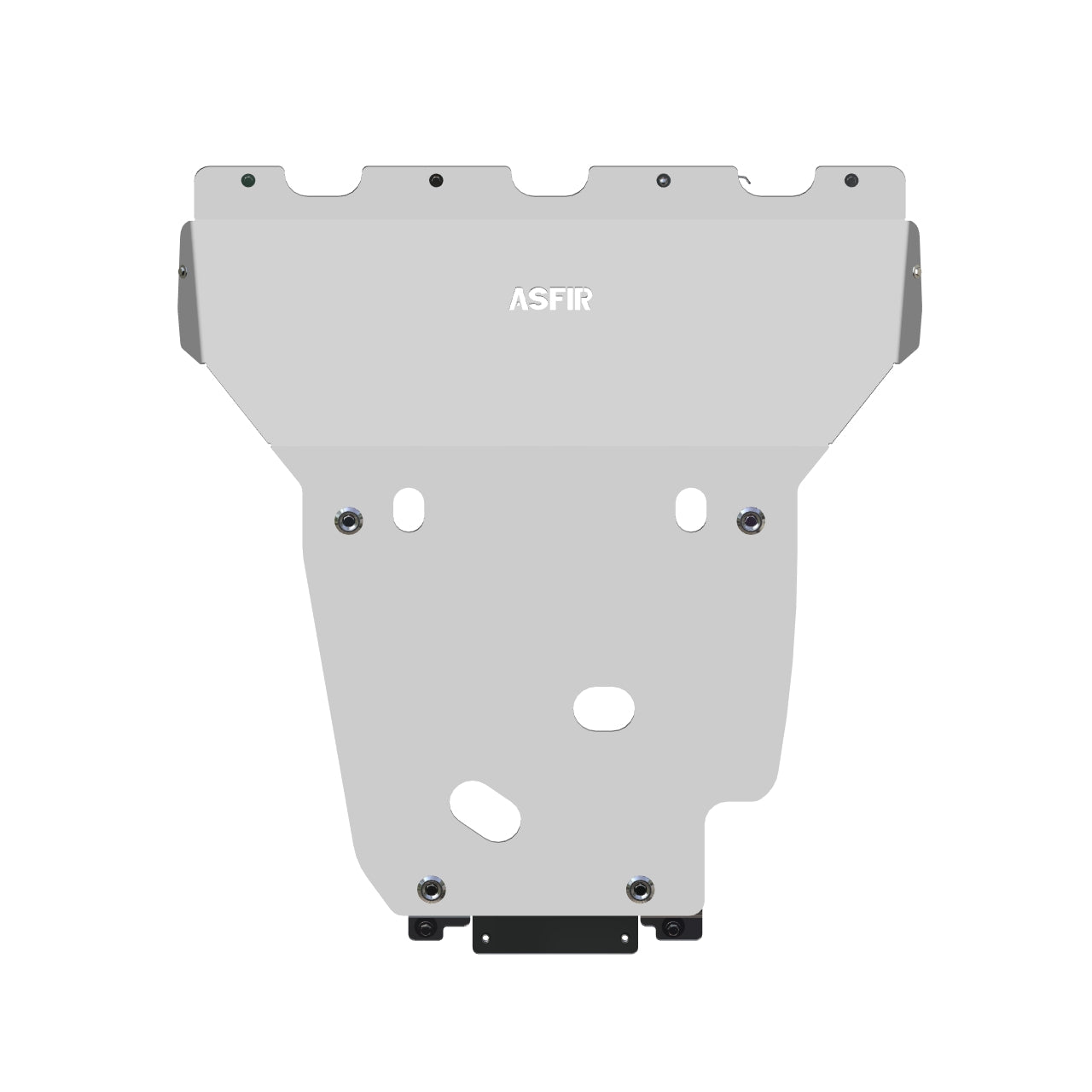
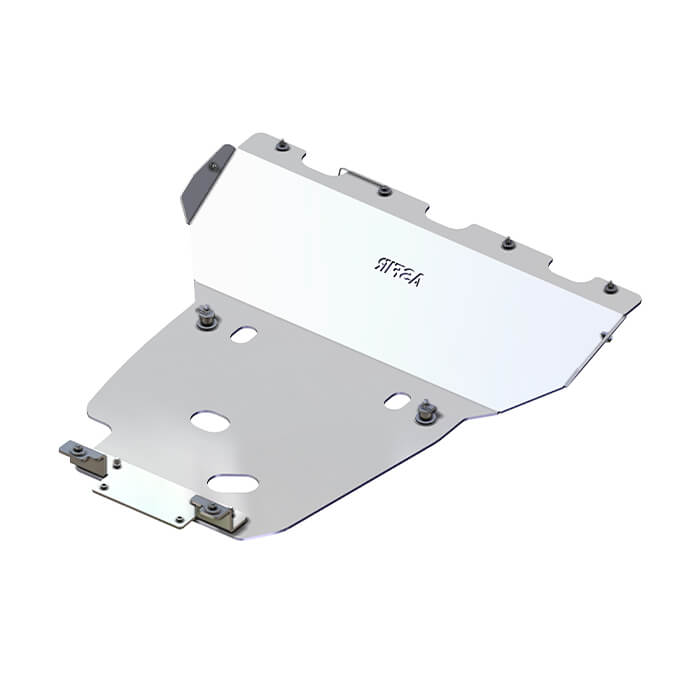
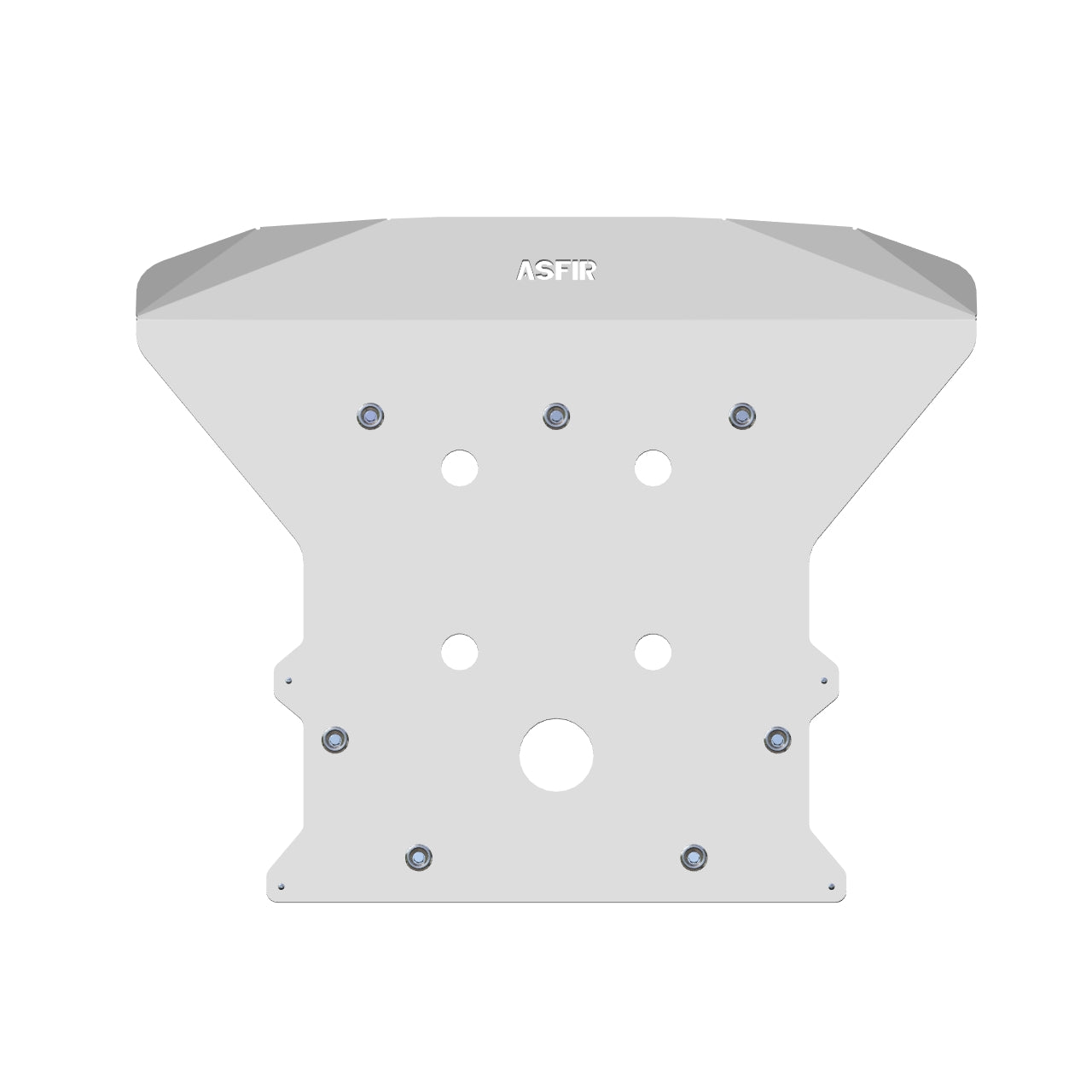
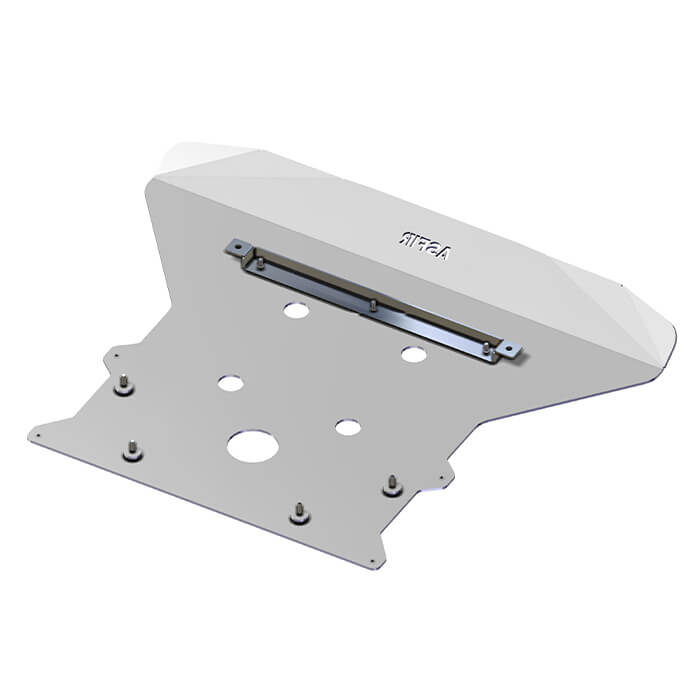
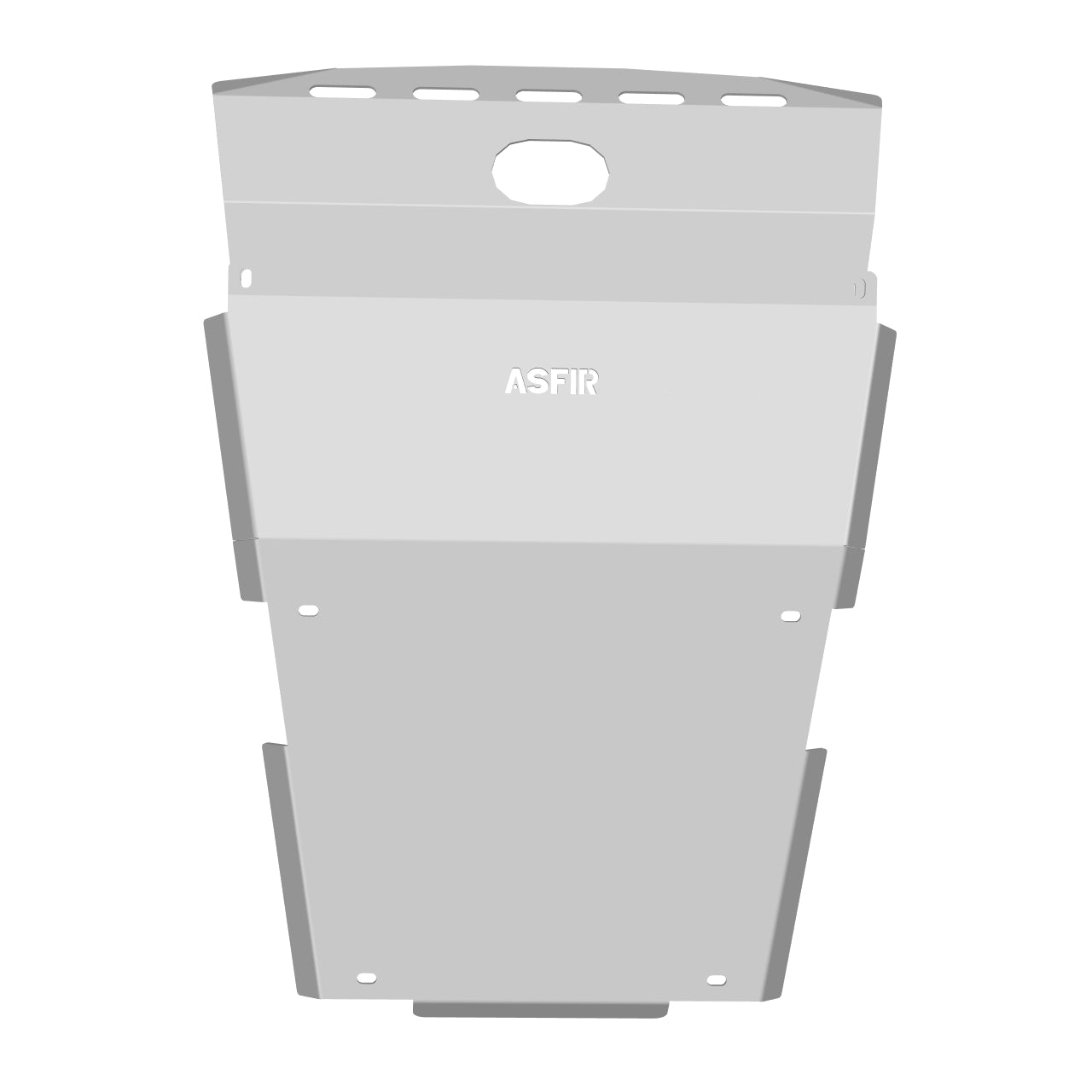
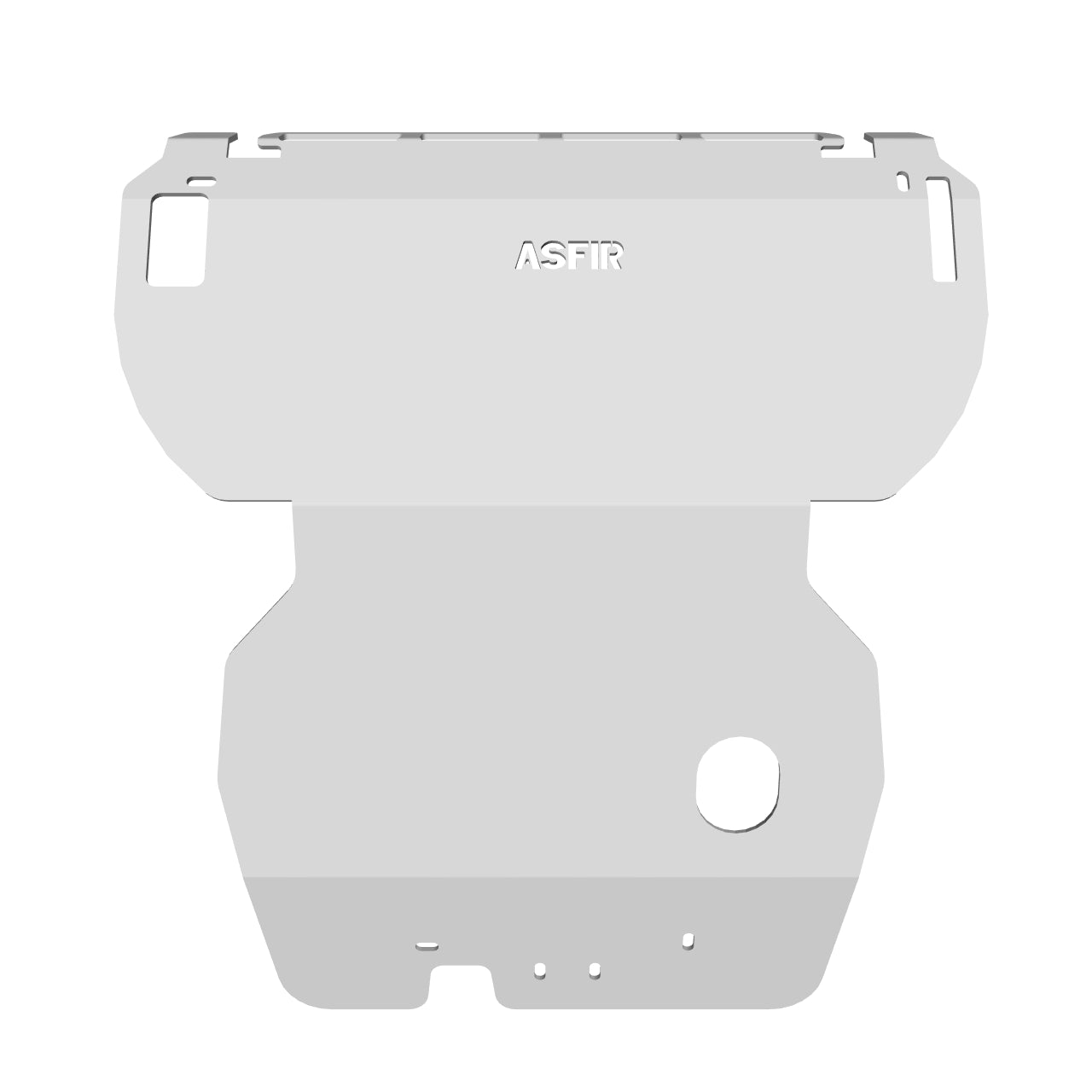
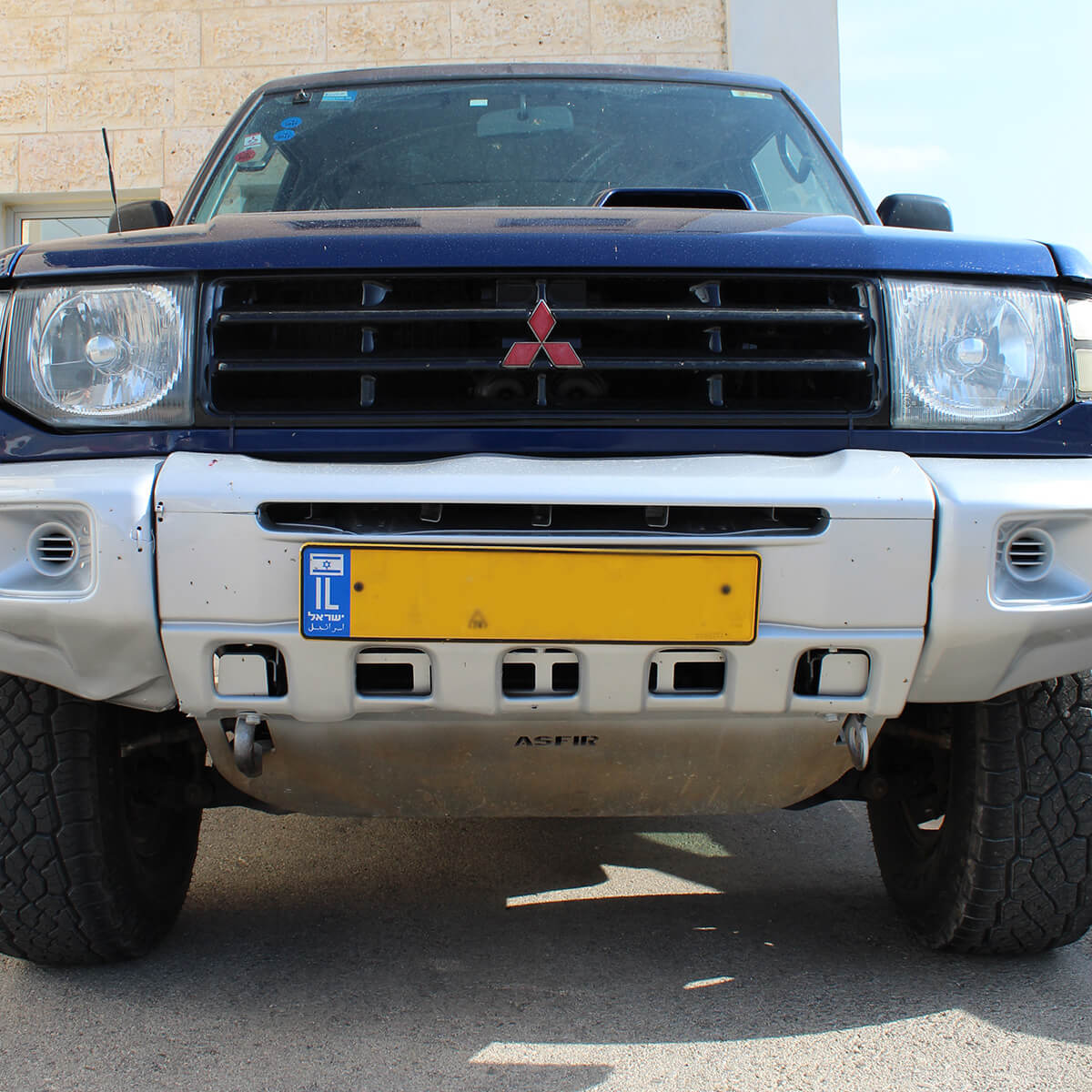
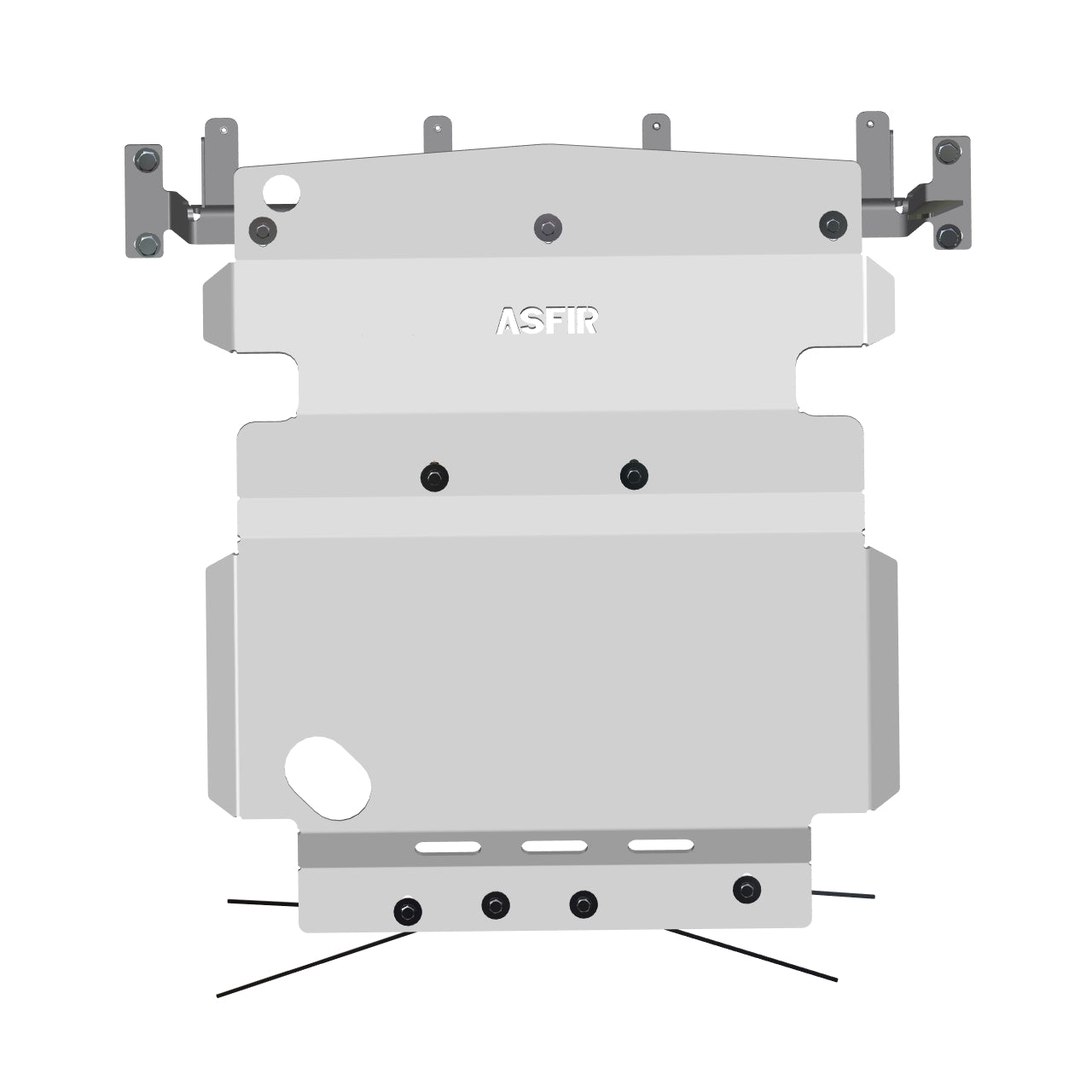
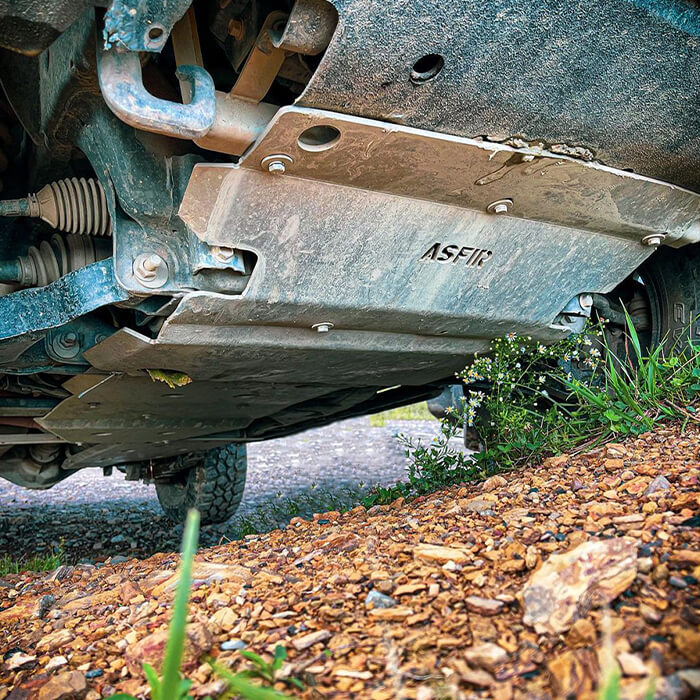
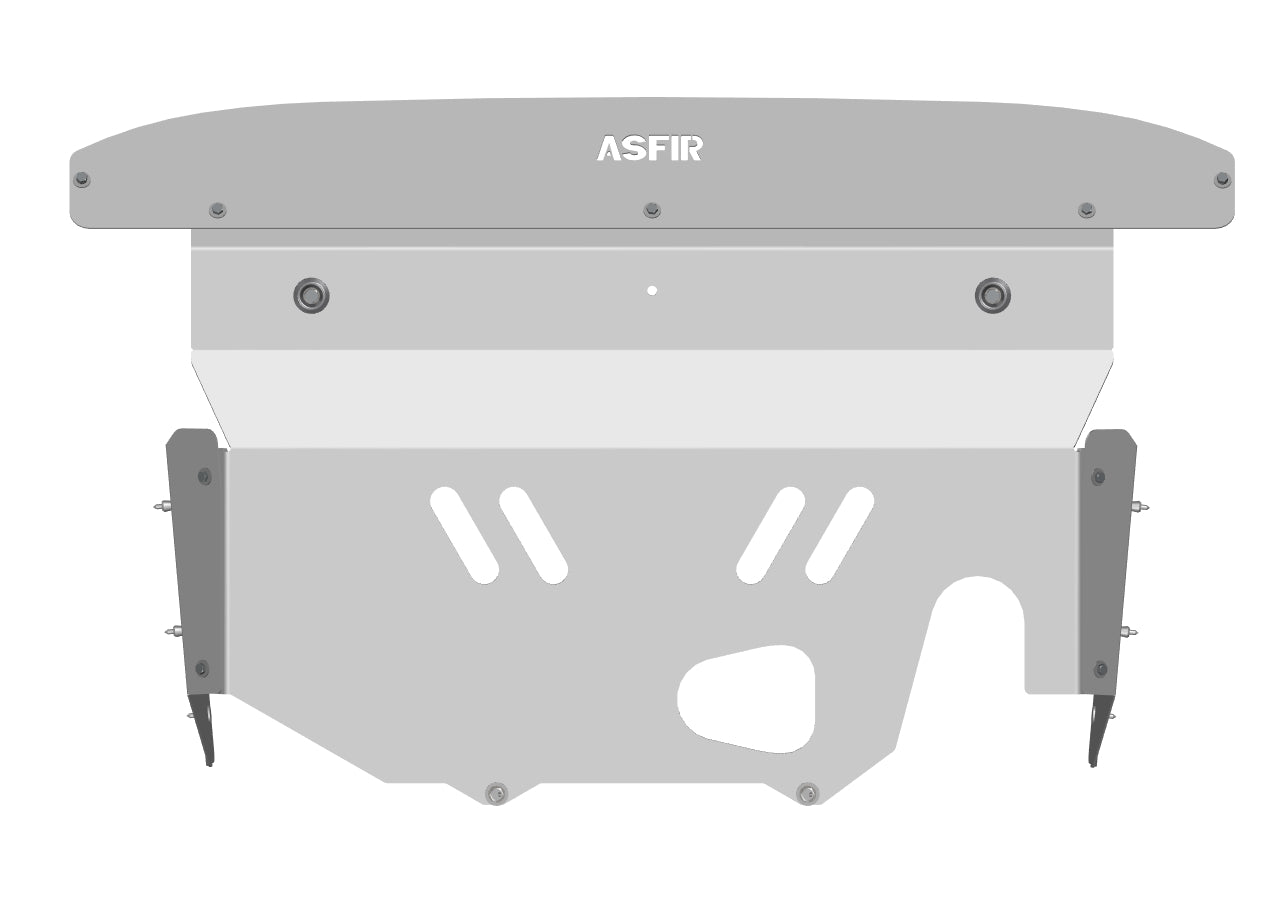
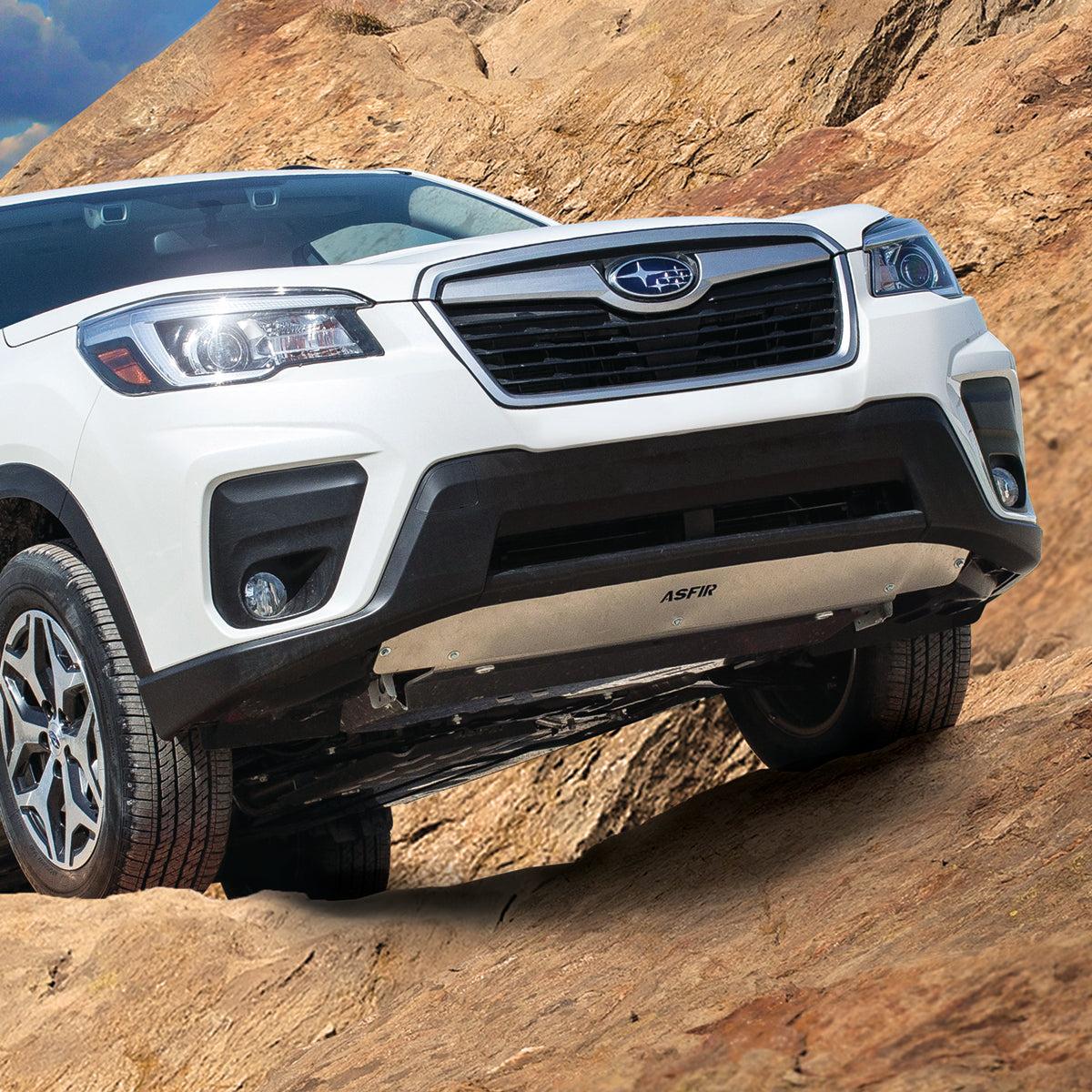
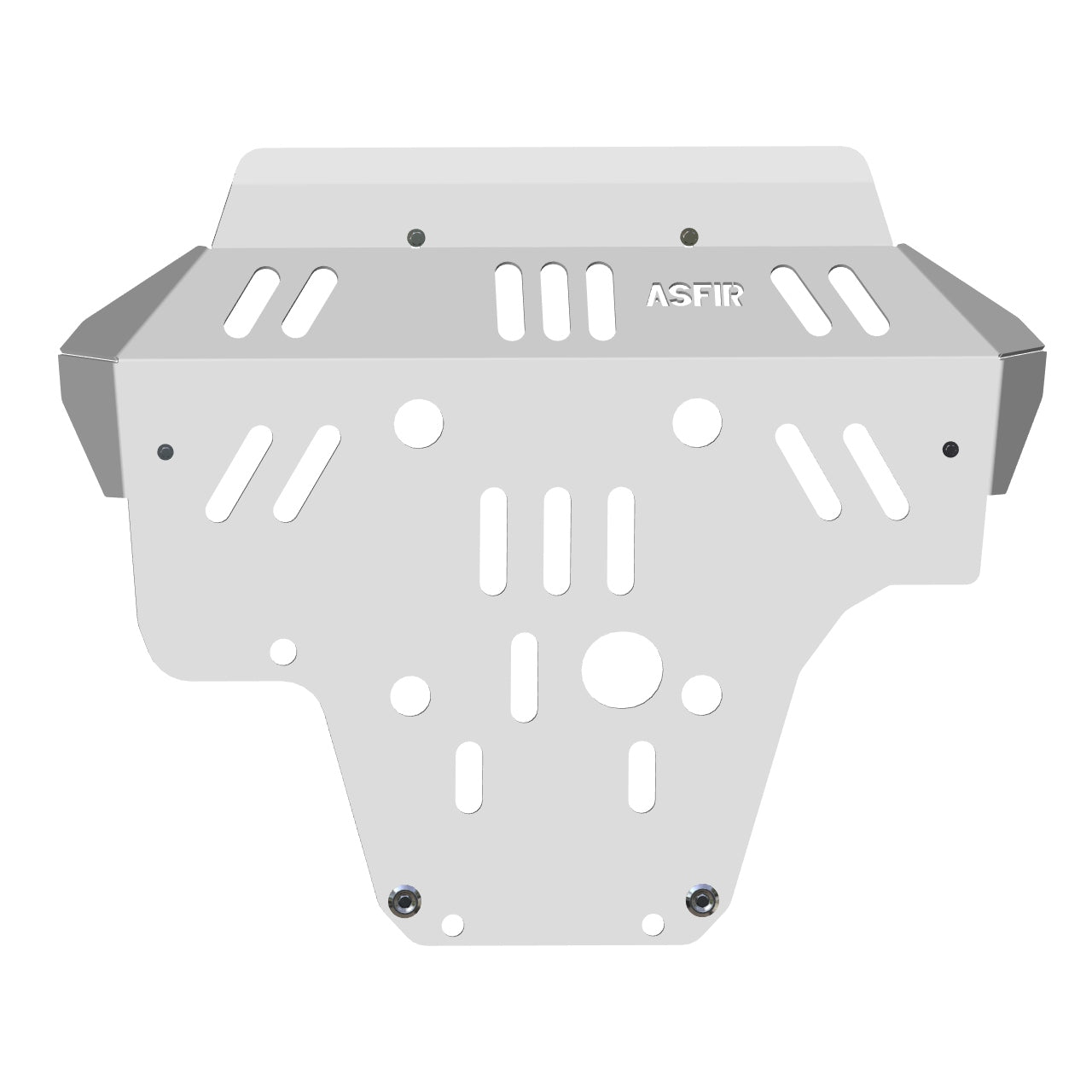
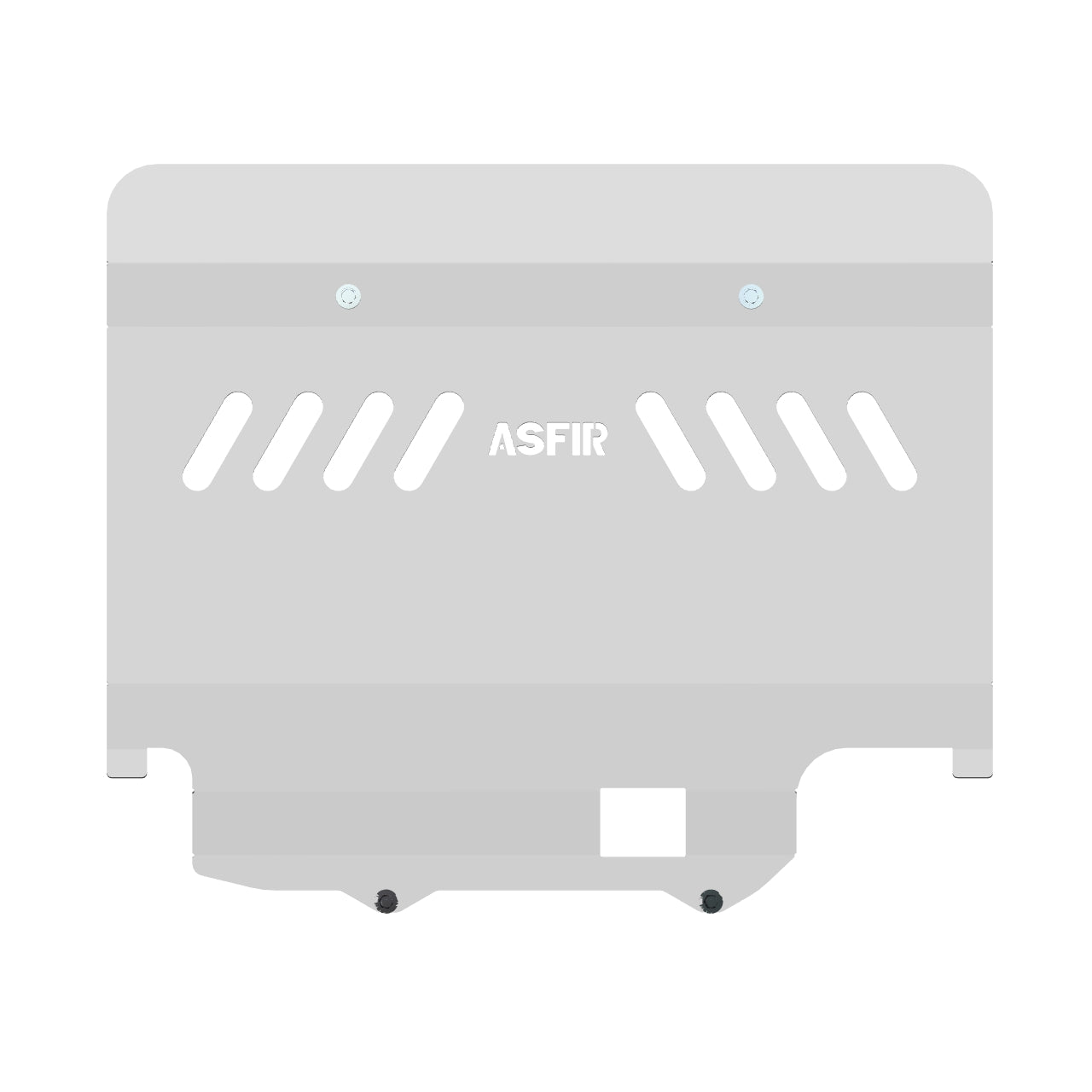
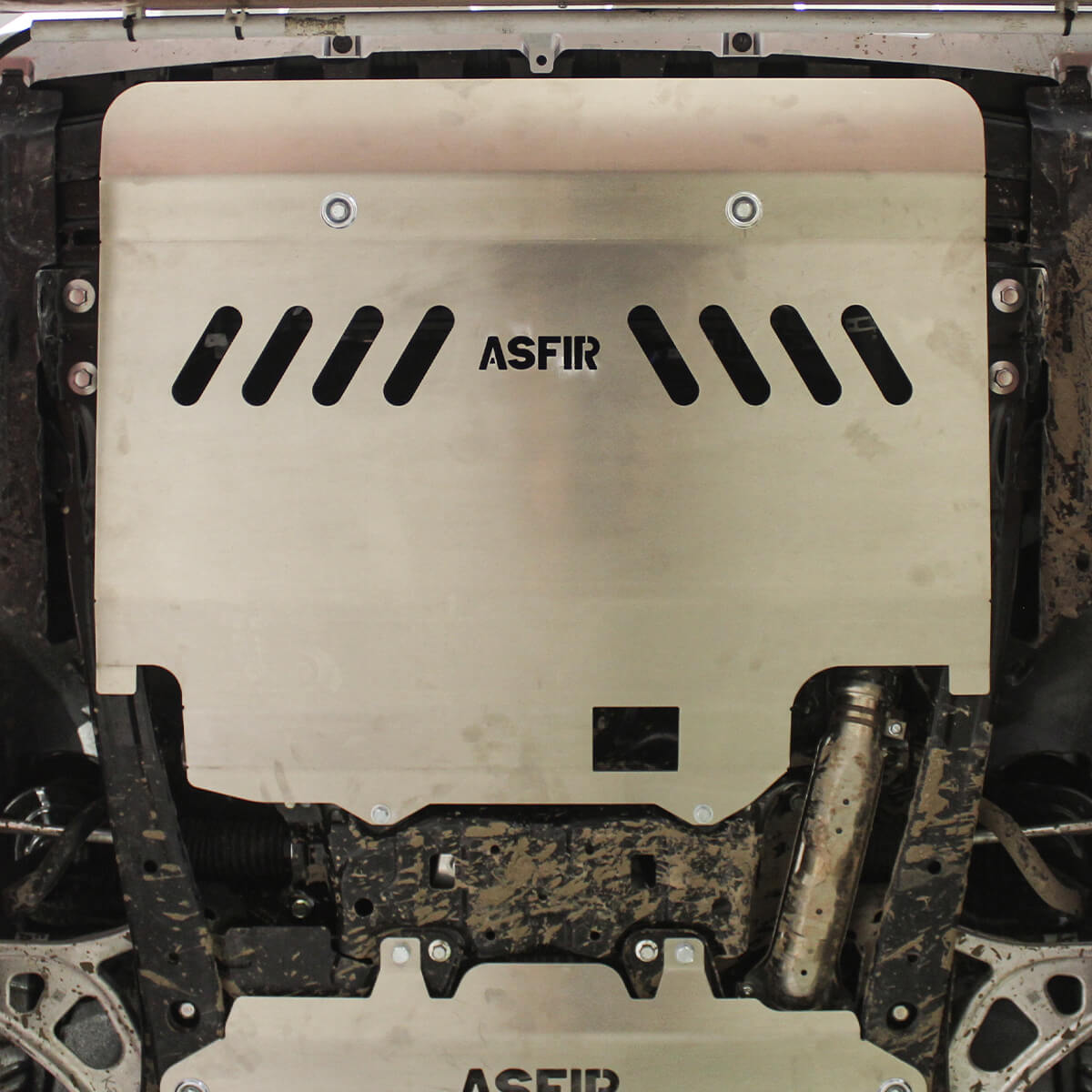
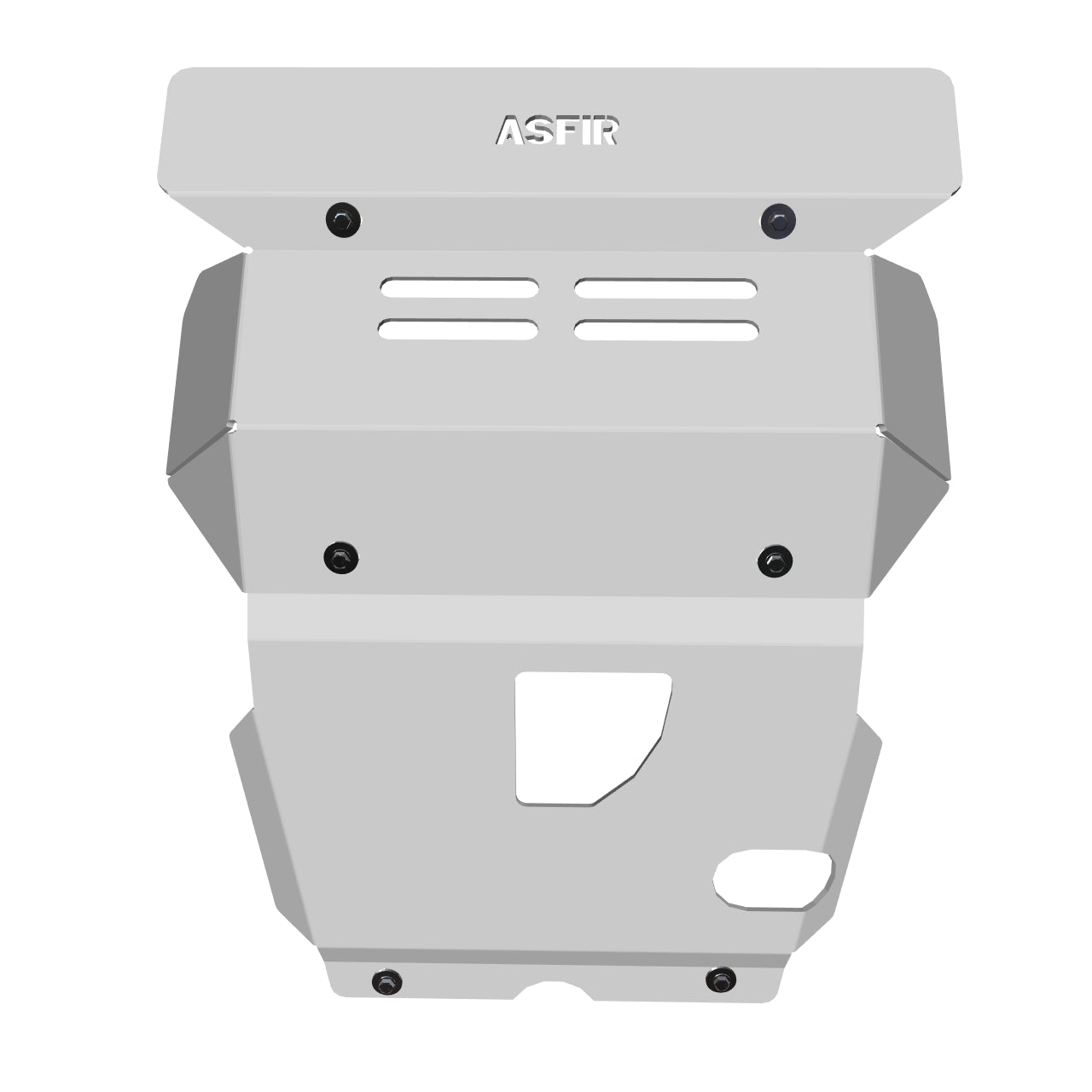
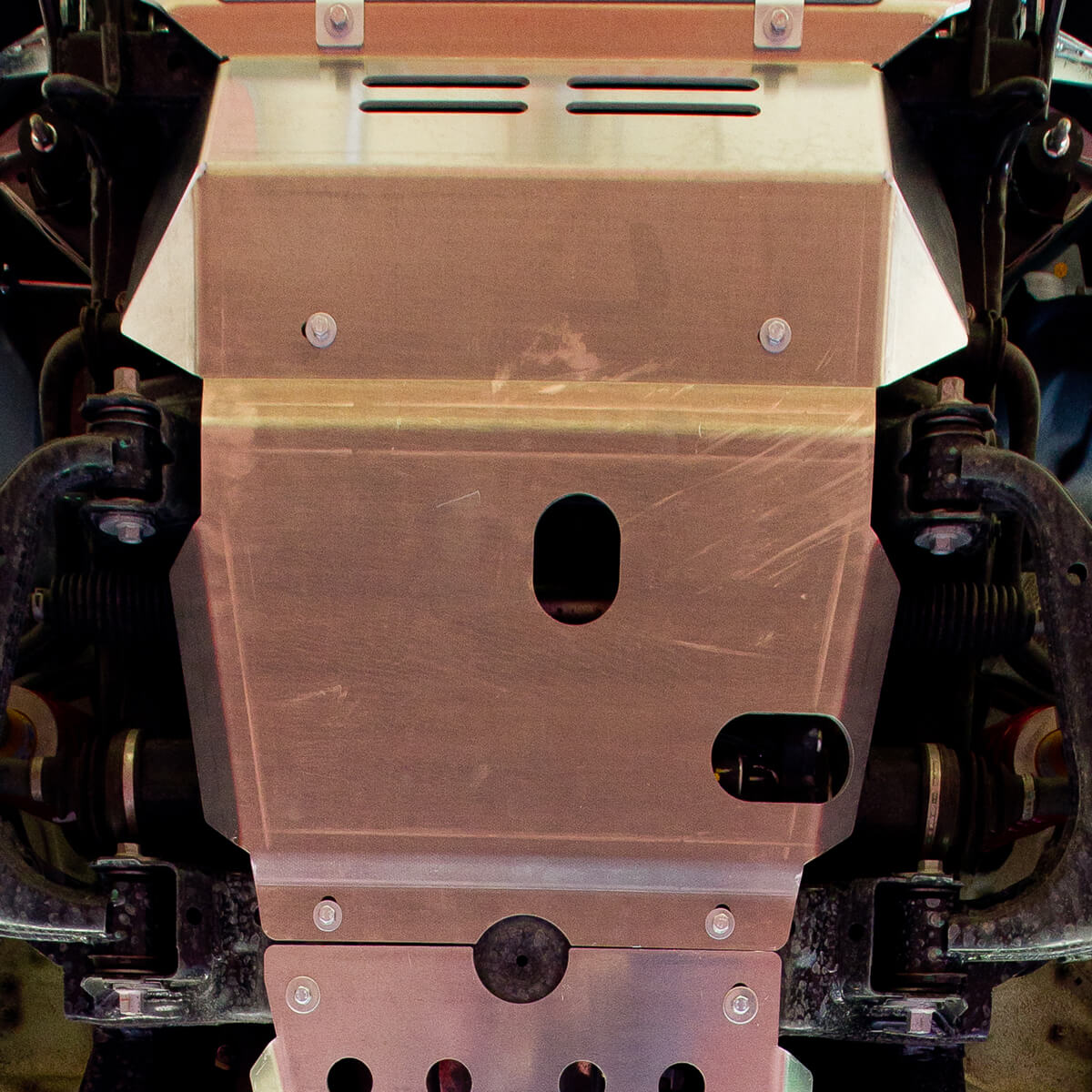
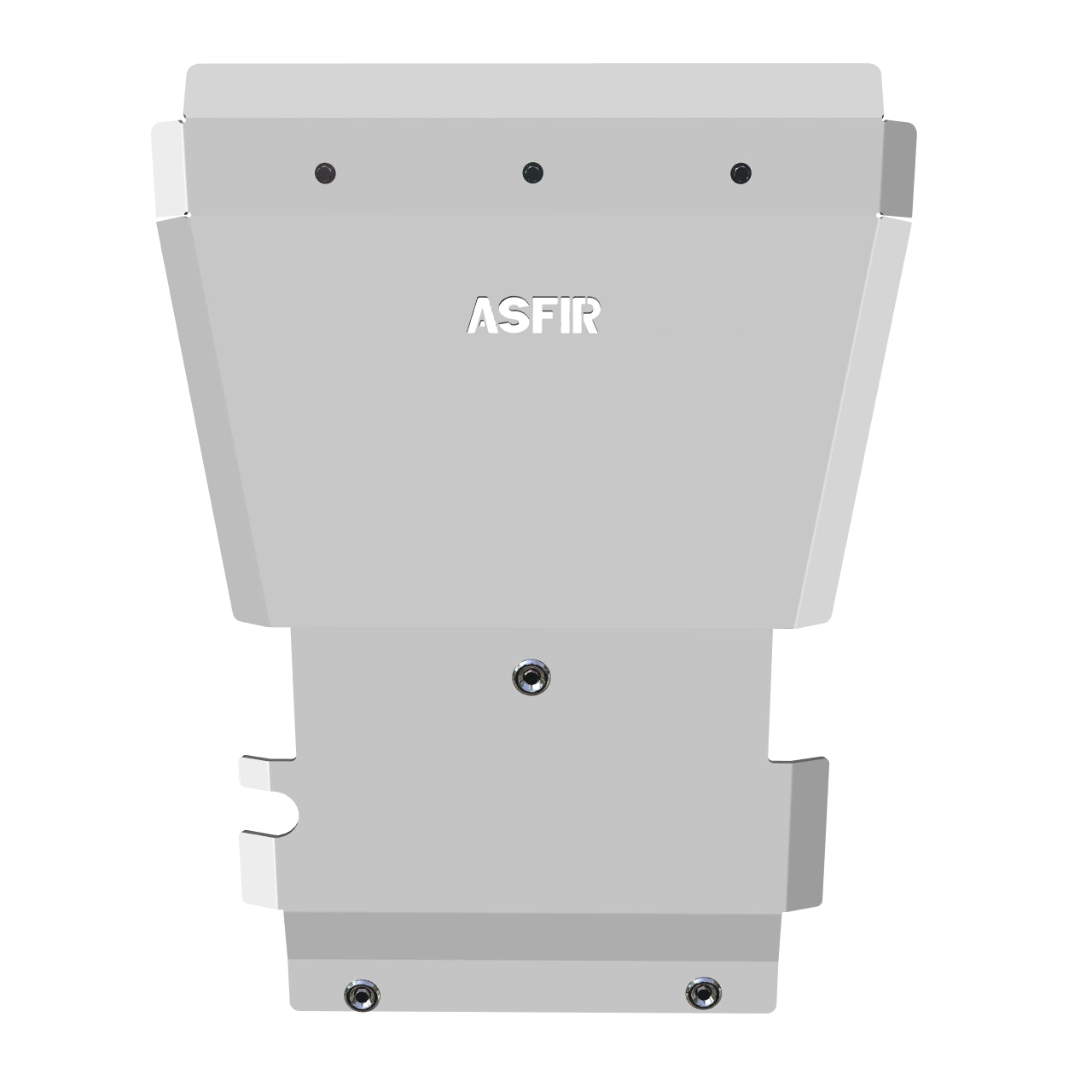
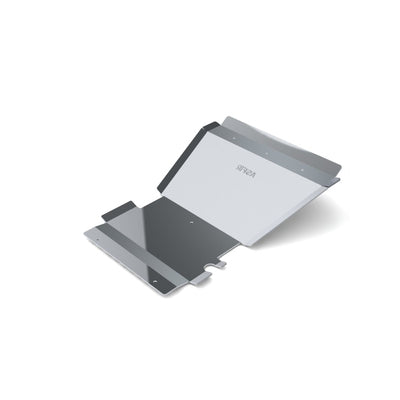
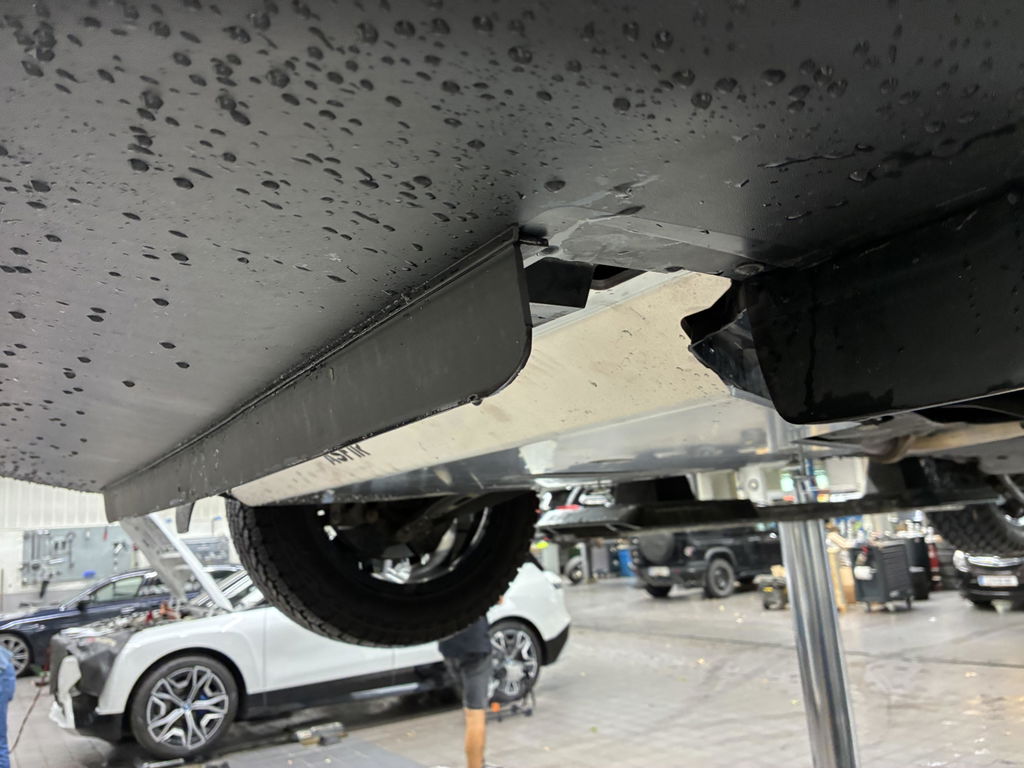
A front skid plate is a heavy-duty plate mounted beneath the front of your vehicle. Its main purpose is to act as a barrier, shielding critical components such as the engine, radiator, and oil pan from damage.
When driving off-road, your vehicle faces obstacles like rocks, branches, and uneven ground. The front skid plate helps prevent punctures, impacts, and other damage that could lead to breakdowns or expensive repairs.
- Prevents punctures and damage from rocks, tree stumps, and debris.
- Shields key components, including the oil pan, transmission cooler, and radiator.
- Improves durability for frequent off-road drivers.
If you mostly drive on highways, a front skid plate may not be necessary. However, for any off-road adventure, it’s a must-have for protecting your vehicle against tough trail conditions.

Why Is Front-End Protection So Important?
There are several reasons why the front of your vehicle needs extra protection during off-road driving:
1. The Front Is the First Point of Contact
On the trail, the front of your vehicle meets obstacles first—whether it’s a steep drop, a rock, or a fallen branch. These impacts target the area right under the front end, where many vital parts are located.
2. Critical Components Are Up Front
Most vehicles have their engines mounted near the front axle. This area houses essential components. For example, a punctured oil pan can cause a major oil leak and severe engine damage.
3. Steering and Suspension Are Vulnerable
Steering and suspension systems are especially at risk during off-road driving. Damage to these systems can leave you stranded. A front skid plate provides a protective shield to minimize this risk.
4. Peace of Mind for Off-Roaders
Worrying about potential damage can take the fun out of off-roading. A front skid plate gives you confidence that your vehicle’s most important parts are protected, so you can focus on enjoying your adventure.
Materials and Design: Why Choose Aluminum Skid Plates?
Skid plates come in several materials, but aluminum is a top choice for off-roaders in 2026. Here’s why:
- Lightweight and Strong: Aluminum offers a great balance of strength and low weight, providing solid protection without adding unnecessary bulk or reducing fuel efficiency.
- Corrosion Resistance: Unlike steel, aluminum resists corrosion, so you don’t have to worry about rust or frequent replacements.
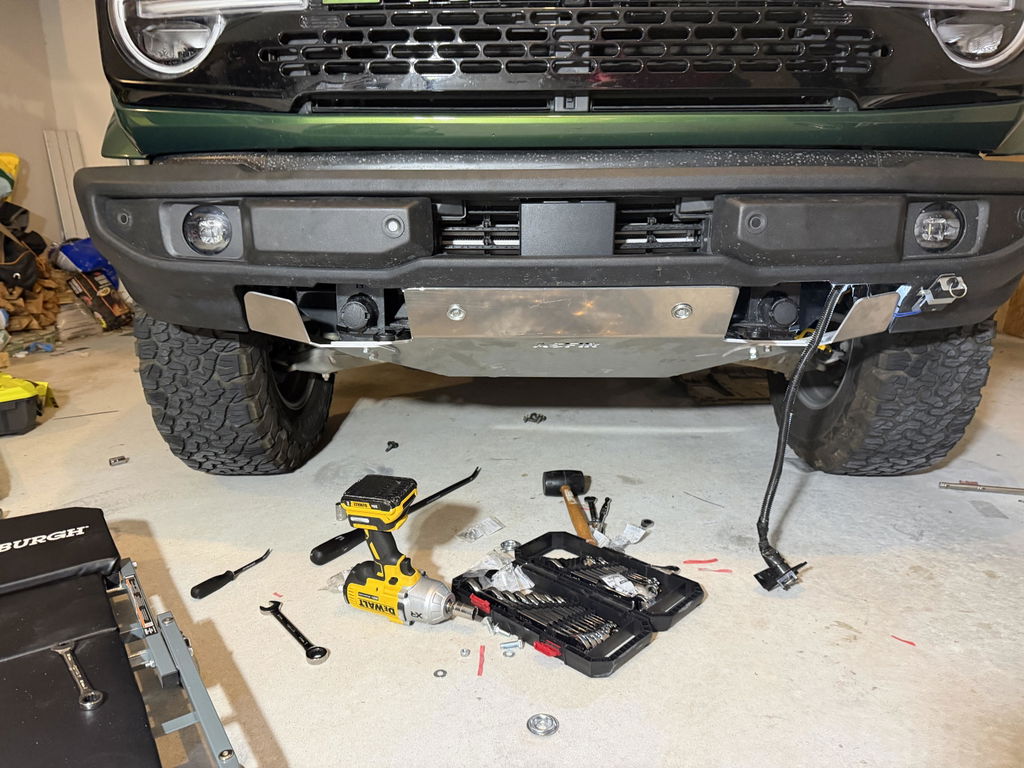
- Easy Installation: Aluminum skid plates are lighter and easier to install, often taking less than an hour for a DIY installation.

Shop Aluminum Front Skid Plates
ASFIR 4X4 offers 1/4-inch aluminum front skid plates designed for both extreme and moderate off-road use. These plates deliver the durability and protection needed to keep your vehicle’s most important components safe. Browse our selection here: high-quality skid plates.
Frequently Asked Questions About Front Skid Plates
What’s the difference between steel and aluminum skid plates?
Steel skid plates are heavier and extremely strong, while aluminum skid plates are lighter and offer better resistance to corrosion. Aluminum is often preferred for its balance of strength, weight, and durability.
Will installing a front skid plate affect my vehicle’s performance?
Aluminum skid plates are lightweight enough that they should not impact your vehicle’s performance or driving experience.
How often should I check or replace my front skid plate?
Inspect your front skid plate after every off-road trip. Aluminum skid plates typically last about five years before needing replacement, depending on usage and trail conditions.