Steel Skid Plates: Pros and Cons
If you enjoy off-roading, you know how rocks, hills, and debris can threaten your vehicle’s undercarriage. Skid plates are essential for protection, and steel is a popular material choice. But is a steel skid plate right for you? Below, we break down the features, benefits, and drawbacks of steel skid plates, and compare them to aluminum alternatives.
What Is a Steel Skid Plate?
A steel skid plate is a protective panel mounted to the underside of your vehicle, shielding critical components like the engine and fuel tank from impact and debris. Made from high-strength steel, these plates are designed to absorb heavy impacts and resist corrosion, especially when treated with protective coatings.
Key Features of Steel Skid Plates
- Material: High-grade steel, often coated for rust resistance
- Function: Shields the undercarriage from rocks, debris, and obstacles
- Durability: Quality steel skid plates typically last at least five years with proper care
Choosing the Right Thickness for Steel Skid Plates
Steel skid plates come in different thicknesses, typically between 3/16 inch and 1/4 inch. The appropriate thickness depends on your vehicle and the terrain you plan to tackle.
- Light Off-Roading (3/16 inch): Suitable for dirt roads and mild terrain, offering protection while minimizing added weight.
- Heavy Off-Roading (1/4 inch): Recommended for challenging trails with rocks and steep grades, providing maximum impact resistance.
Considerations for Thickness
- Vehicle Weight: Heavier vehicles benefit from thicker plates for better protection.
- Terrain Type: The rougher the terrain, the thicker your skid plate should be.

Steel vs. Aluminum Skid Plates: What’s the Difference?
When shopping for skid plates, steel and aluminum are the most common options. Here’s how they compare:
Steel Skid Plates
- Strength: Superior impact resistance compared to aluminum
- Durability: Long-lasting, especially with protective coatings
- Weight: Heavier, which can reduce fuel efficiency and affect handling
- Rust Resistance: Prone to rust if uncoated, but coatings improve longevity
Aluminum Skid Plates
- Weight: Lighter than steel, improving fuel efficiency and vehicle performance
- Corrosion Resistance: Naturally resists rust and corrosion, even in wet environments
- Strength: Less impact-resistant than steel but adequate for most off-road conditions
- Cost: Typically more expensive, but offers advantages in weight and corrosion resistance
Summary Comparison
- Steel: Stronger, more durable, heavier, and generally more affordable
- Aluminum: Lighter, more corrosion-resistant, less impact-resistant, and more expensive
Why Are Steel Skid Plates Cheaper Than Aluminum?
Steel skid plates usually cost less than aluminum for several reasons:
- Material Cost: Steel is made from iron, which is more abundant and less expensive than aluminum.
- Manufacturing Process: Steel skid plates are easier and cheaper to manufacture due to established processes and equipment.
- Durability vs. Cost: While steel can rust, its lower price makes it a cost-effective choice for many drivers.

Conclusion: Should You Choose Steel or Aluminum Skid Plates?
Both steel and aluminum skid plates offer valuable protection for off-road vehicles. Steel plates provide superior strength and durability at a lower cost but add weight and may rust over time. Aluminum skid plates are lighter, resist corrosion, and improve fuel efficiency, making them an excellent choice for most off-roaders in 2026.
Upgrading to Aluminum Skid Plates
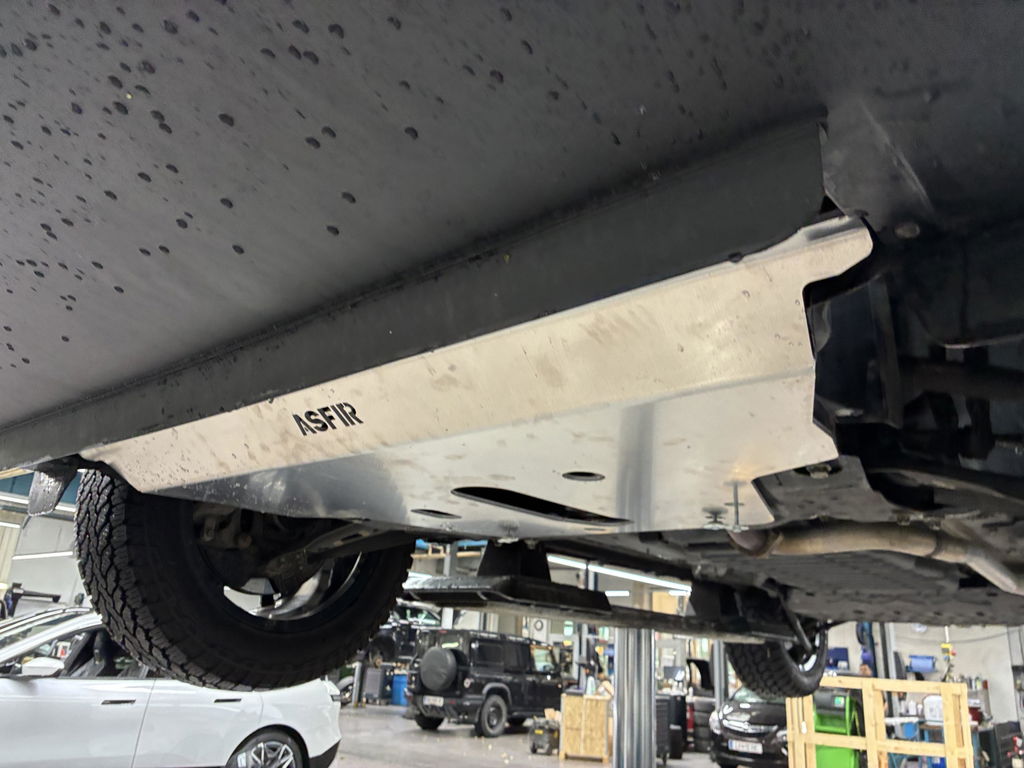
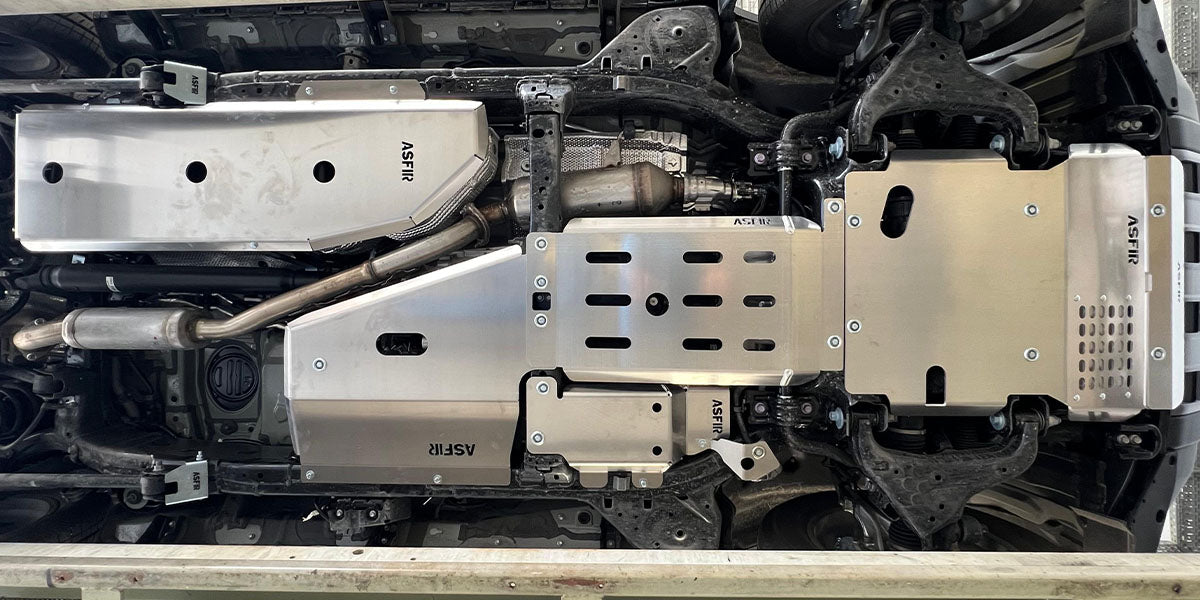
At ASFIR 4x4, we offer a wide selection of quality aluminum skid plates for various makes and models. Whether you need protection for light trails or rugged climbs, we have an aluminum skid plate to suit your needs. Contact us for the latest pricing and options.
Frequently Asked Questions
Will a steel skid plate rust?
Yes, steel skid plates can rust when exposed to moisture or road salt. Applying a protective coating can help prevent corrosion.
Can I install a steel skid plate myself?
It is possible to install a steel skid plate yourself, but due to the weight, having assistance is recommended for safety and ease of installation.
How often should I inspect my steel skid plate?
Inspect your skid plate after each off-roading session to check for damage or impacts that could compromise its protective ability.
Does a steel skid plate add significant weight?
Steel skid plates are heavier than aluminum and can noticeably increase the weight of lighter vehicles, potentially affecting performance and fuel economy.
Are there alternatives to steel and aluminum skid plates?
Yes, UHMW (Ultra-High Molecular Weight) plastic is another option. It is durable but less common due to higher material costs.