Choosing the Right Skid Plate Material for Maximum Off-Road Protection
Skid plates are crucial for protecting your vehicle’s undercarriage, especially the gearbox, engine, and fuel tank. Selecting the right material ensures your car is shielded from off-road hazards. Below, we examine the most popular skid plate materials and reveal which offers the best protection in 2026.
The Importance of Skid Plates
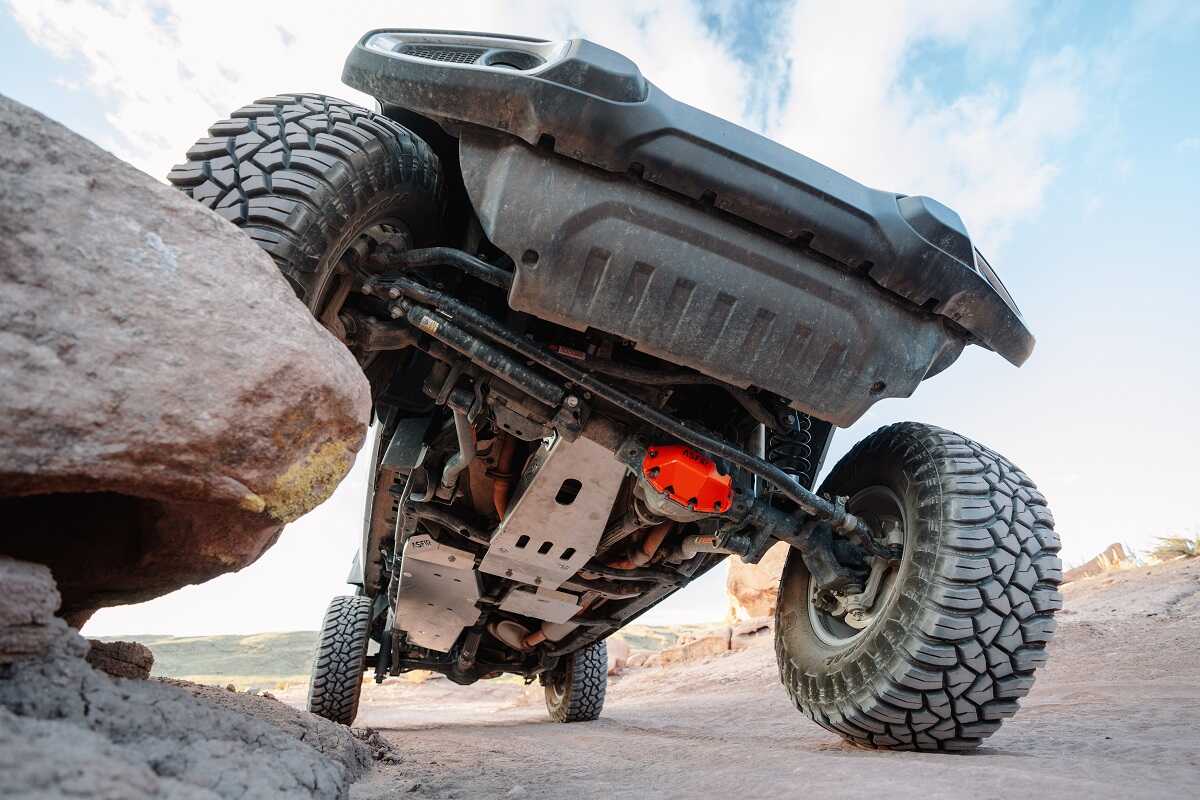
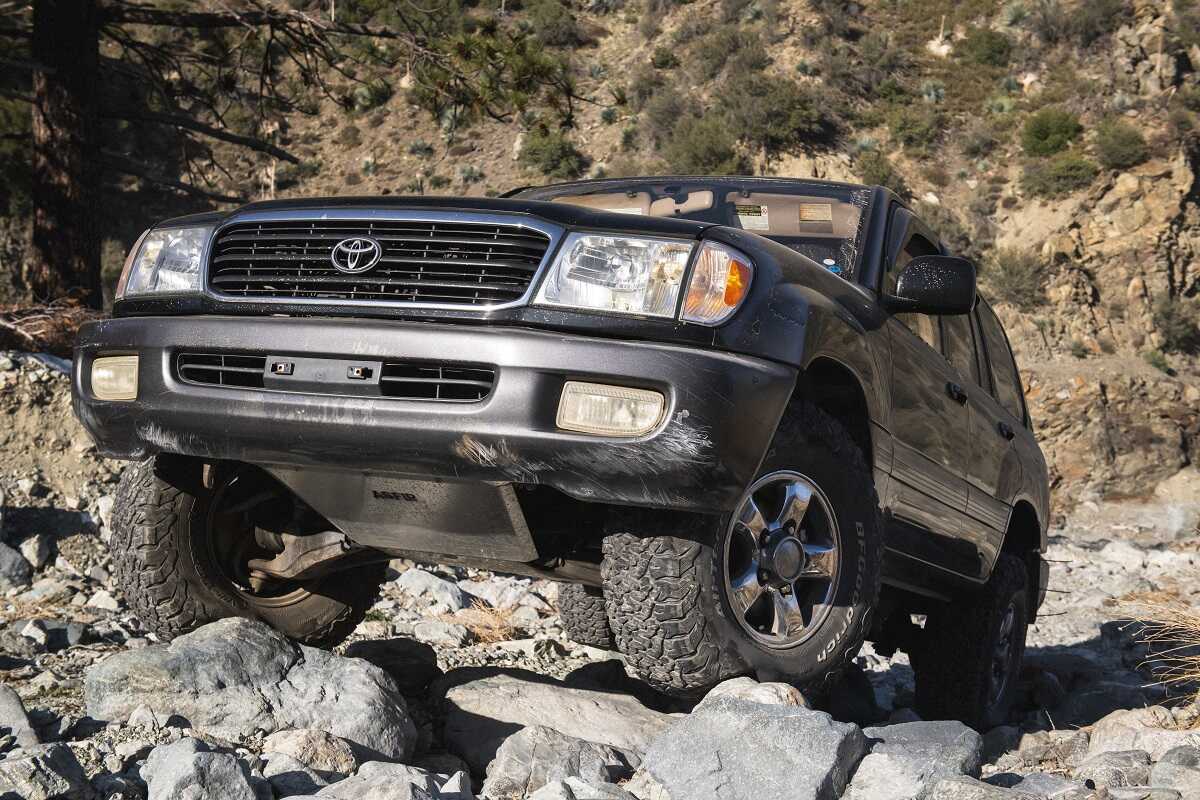
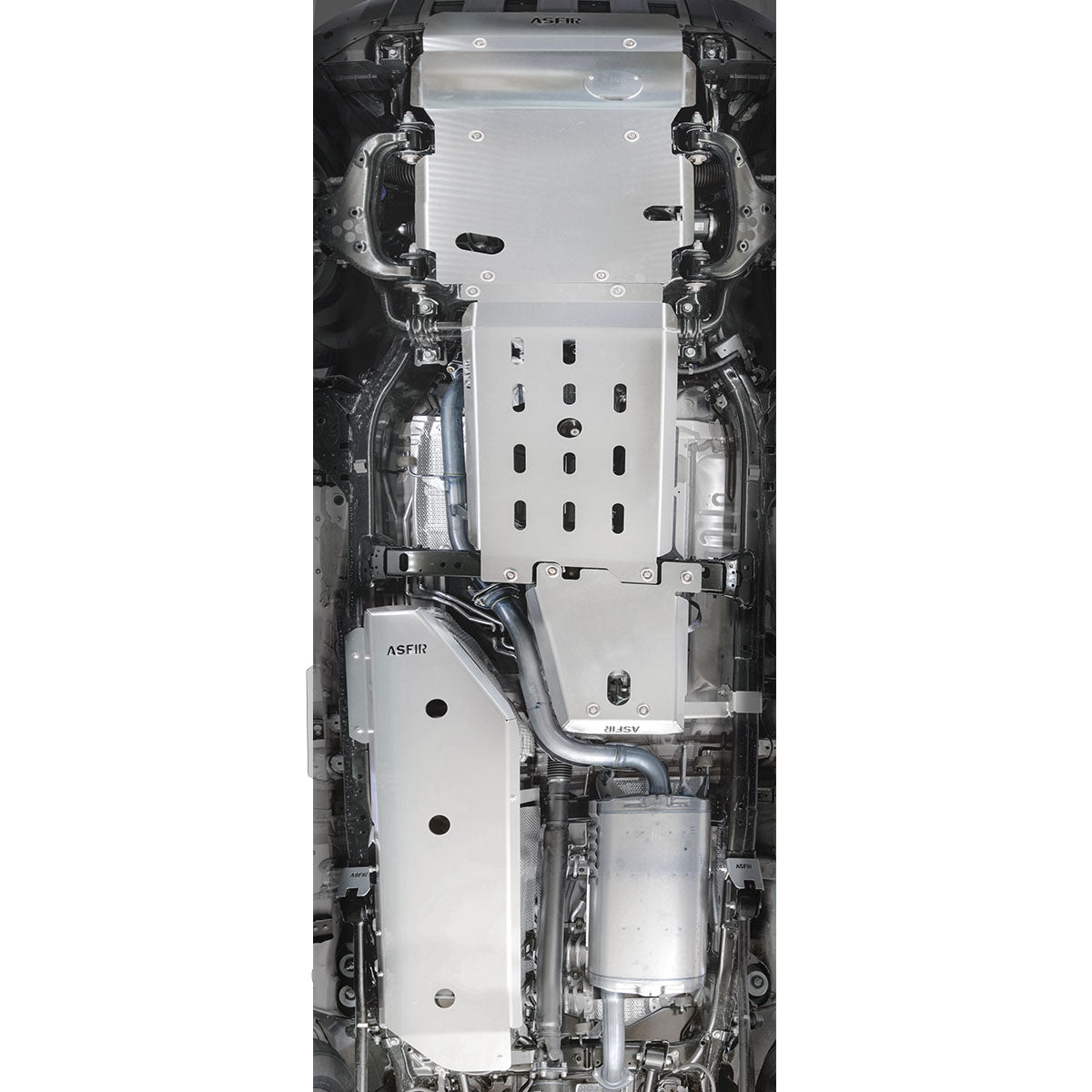
Whether you’re driving your SUV over rocky terrain or exploring dirt roads in your truck, a skid plate is essential. Skid plates attach to the front and underside of your vehicle, protecting the undercarriage from impacts that can cause serious damage. The material you choose directly affects the level of protection and durability your skid plate provides.
Types of Skid Plate Materials
There are four main types of materials used for skid plates. Each has its own advantages and disadvantages:
-
Aluminum
- Benefits: Lightweight, corrosion-resistant, easy to shape and install, and popular among performance enthusiasts for its balance of strength and weight.
- Drawbacks: Not as tough as steel; can bend or dent under heavy impacts.
-
Steel
- Benefits: Extremely strong, offers excellent protection against impacts, and resists bending in harsh conditions.
- Drawbacks: Heavy, which can reduce fuel efficiency, and prone to rust if not properly maintained.
-
UHMW (Ultra High Molecular Weight) Plastic
- Benefits: Lightweight, high impact resistance, low friction, and does not corrode. Provides long-lasting protection in most conditions.
- Drawbacks: Less protective than steel, and lacks the heat resistance of metals, which can be a concern due to heat buildup under the vehicle.
-
Hybrid Materials
- Benefits: Combine materials like steel and aluminum for a balance of strength and weight. Can offer the advantages of both types.
- Drawbacks: Typically the most expensive option, and the added benefits may not justify the higher price for all users.

Key Considerations When Choosing a Skid Plate Material
- Terrain and Usage: Consider where you’ll be driving. Rugged off-roading demands stronger materials than gentle trails.
- Vehicle Weight: Match the skid plate material to your vehicle’s weight. Heavy-duty trucks may benefit from steel, while lighter vehicles can use aluminum or UHMW.
- Maintenance: Steel requires more upkeep to prevent rust, while aluminum and UHMW are lower maintenance.
- Budget: Material costs vary, so choose one that fits your budget without sacrificing protection.
Our Verdict: Aluminum Skid Plates
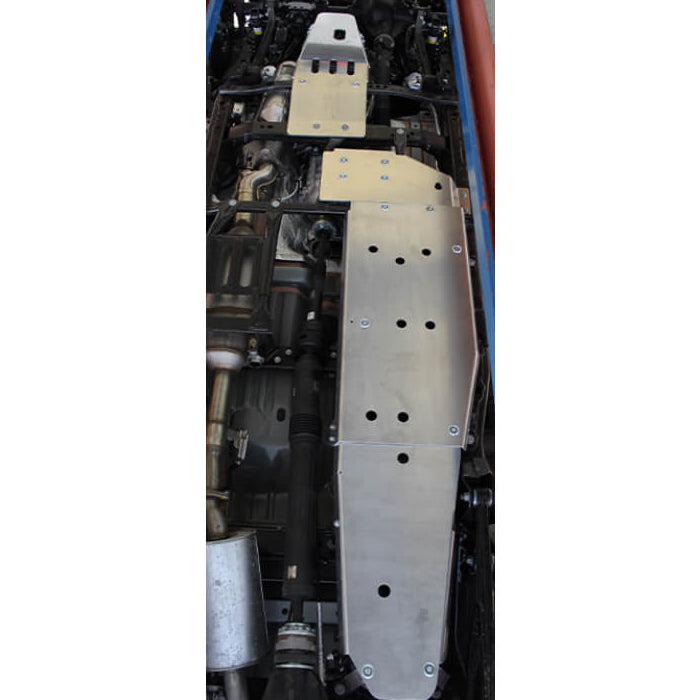
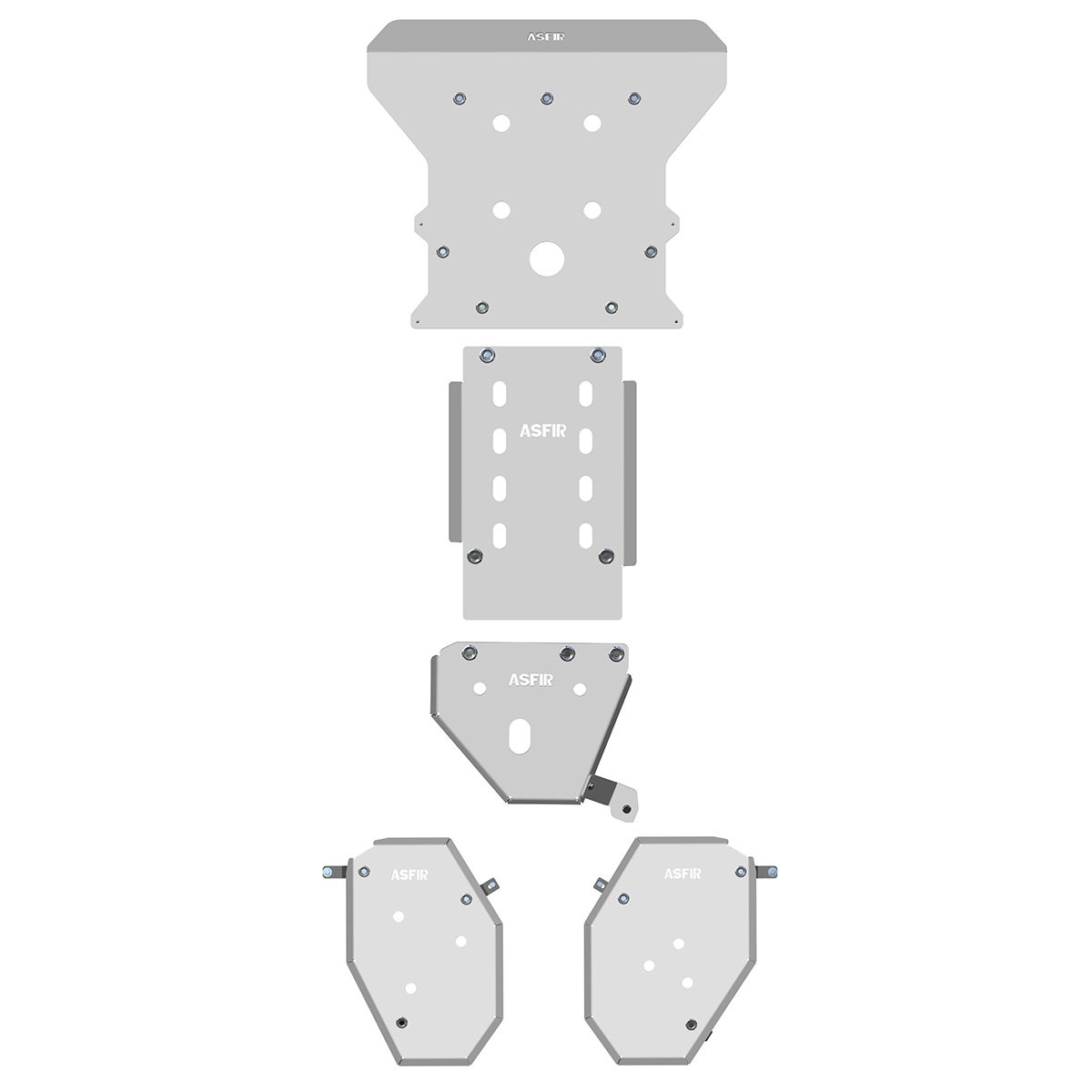
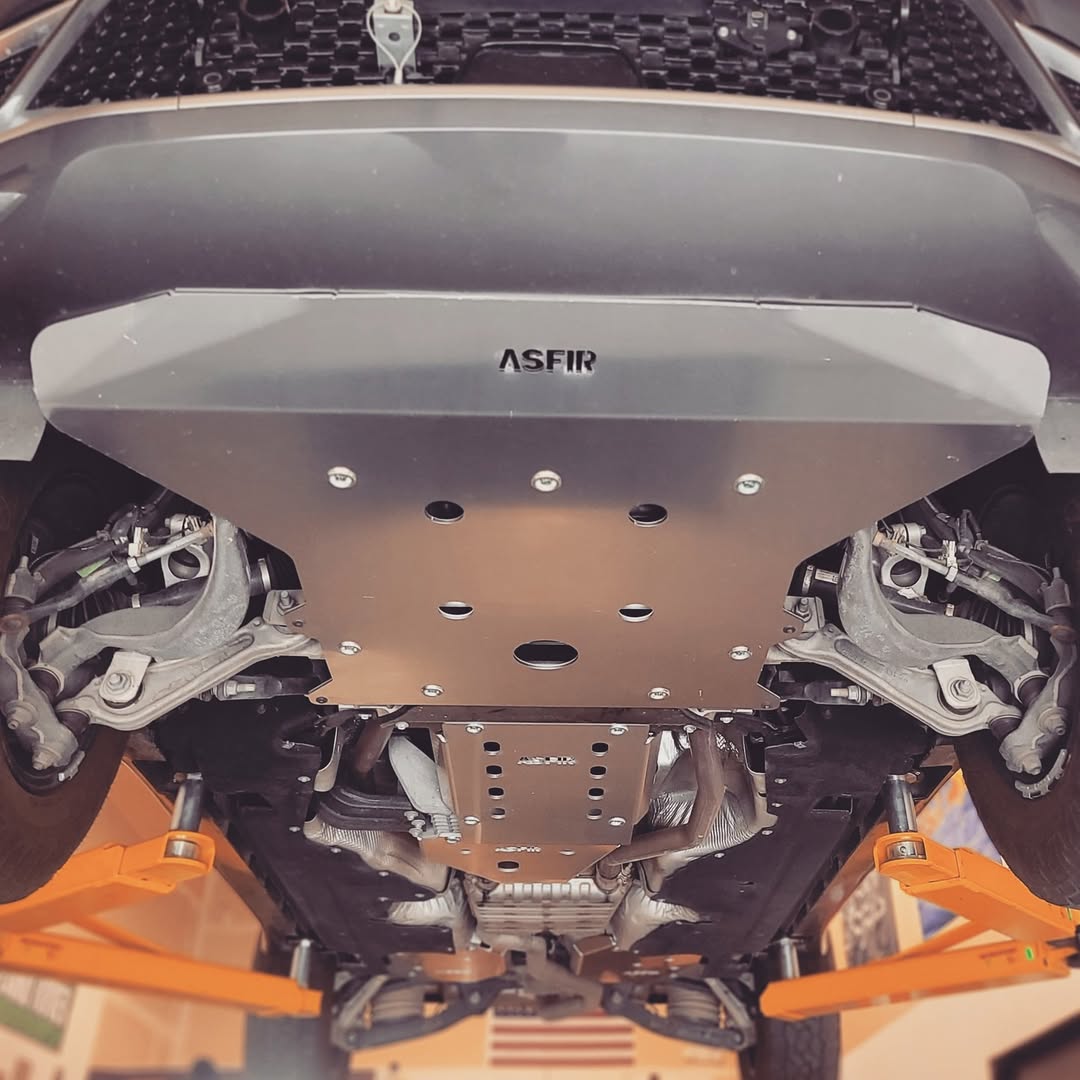
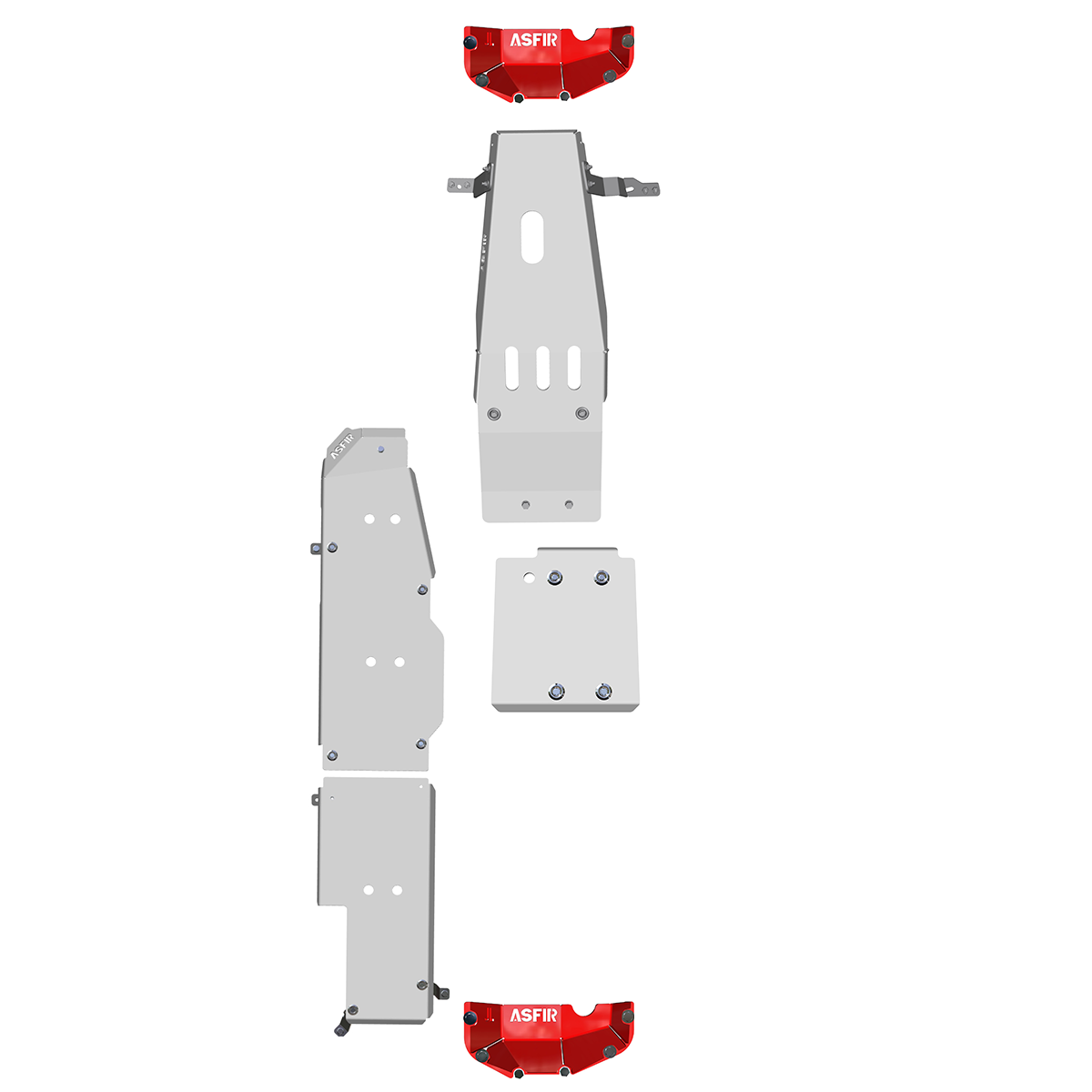
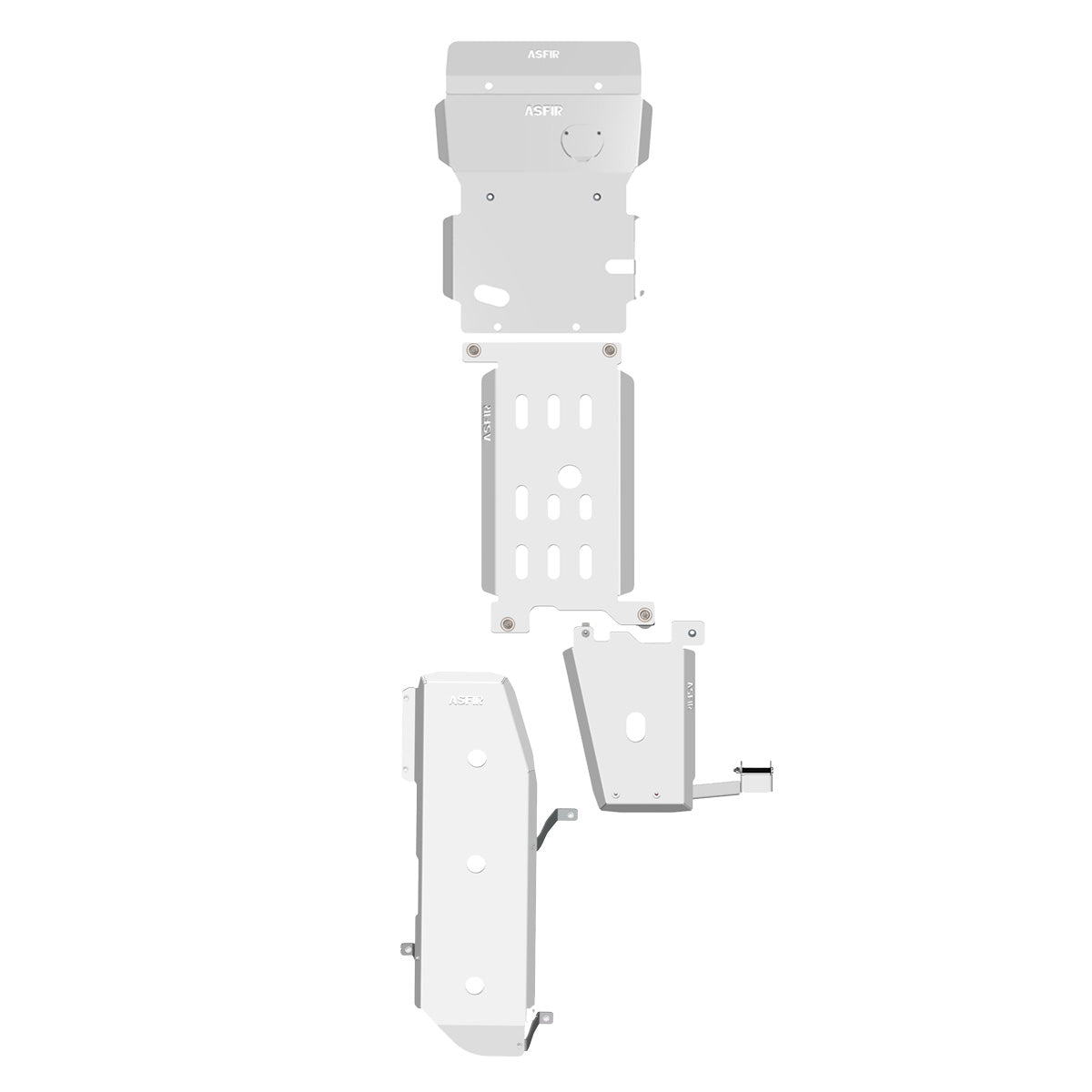
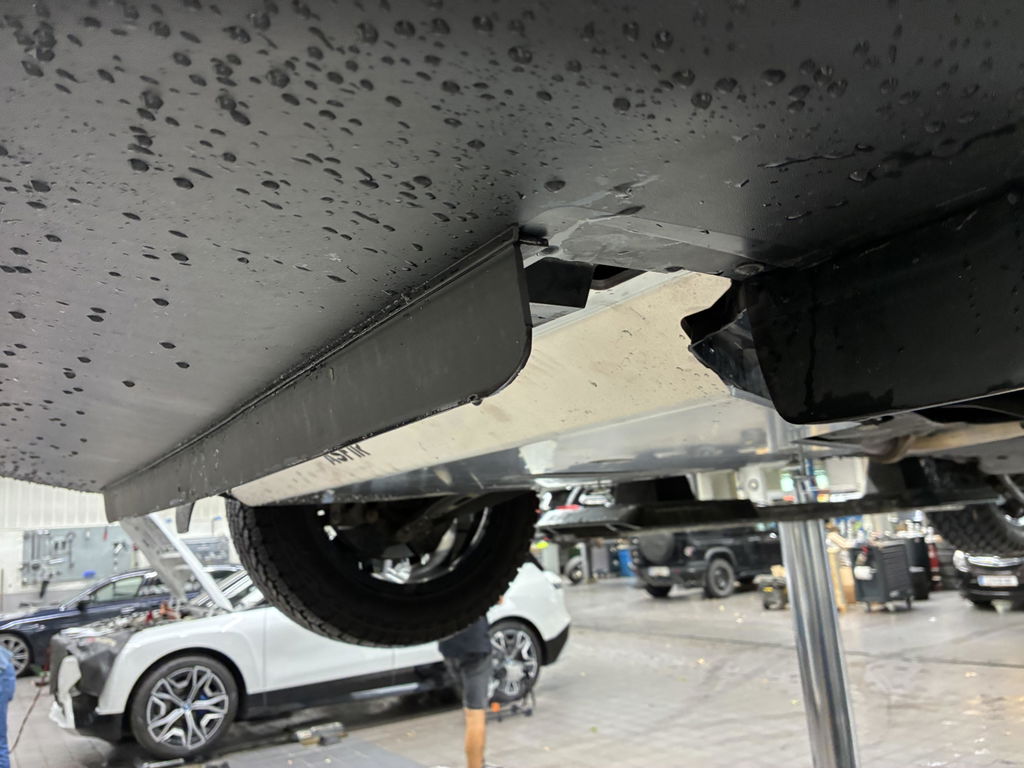
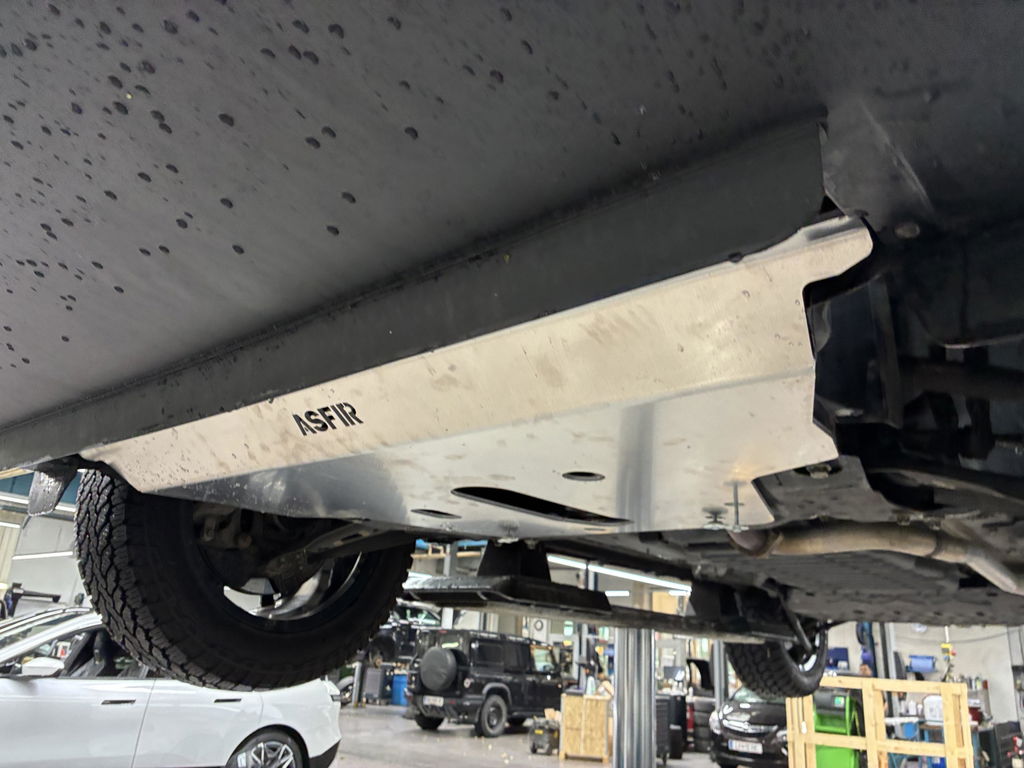
For 2026, aluminum skid plates are our top recommendation for most vehicles. Aluminum provides strong protection against debris and rough terrain, is lightweight enough to preserve performance and fuel efficiency, and is generally affordable. This makes it an excellent all-around choice for off-roaders and daily drivers alike.
High-Quality Aluminum Skid Plates Available
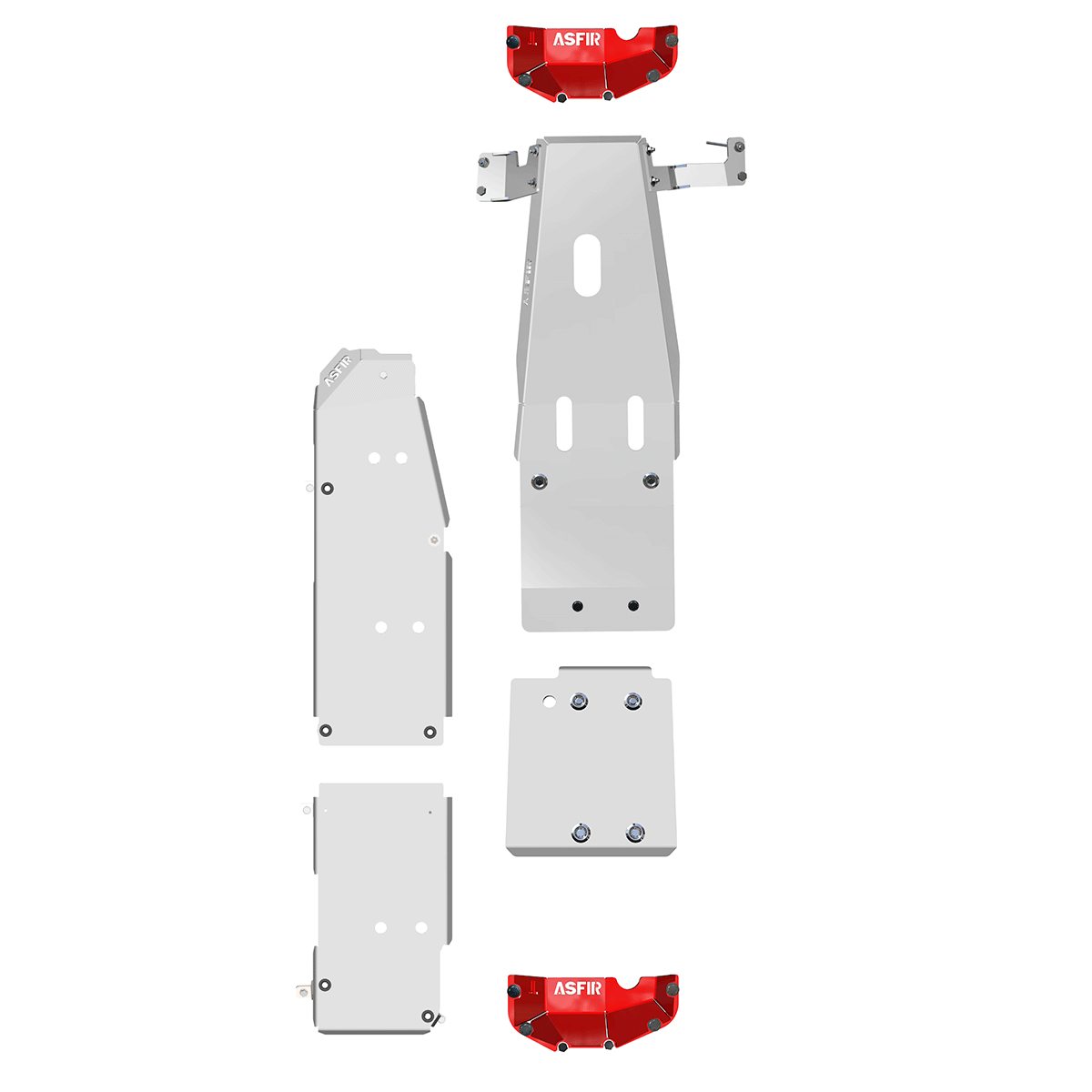
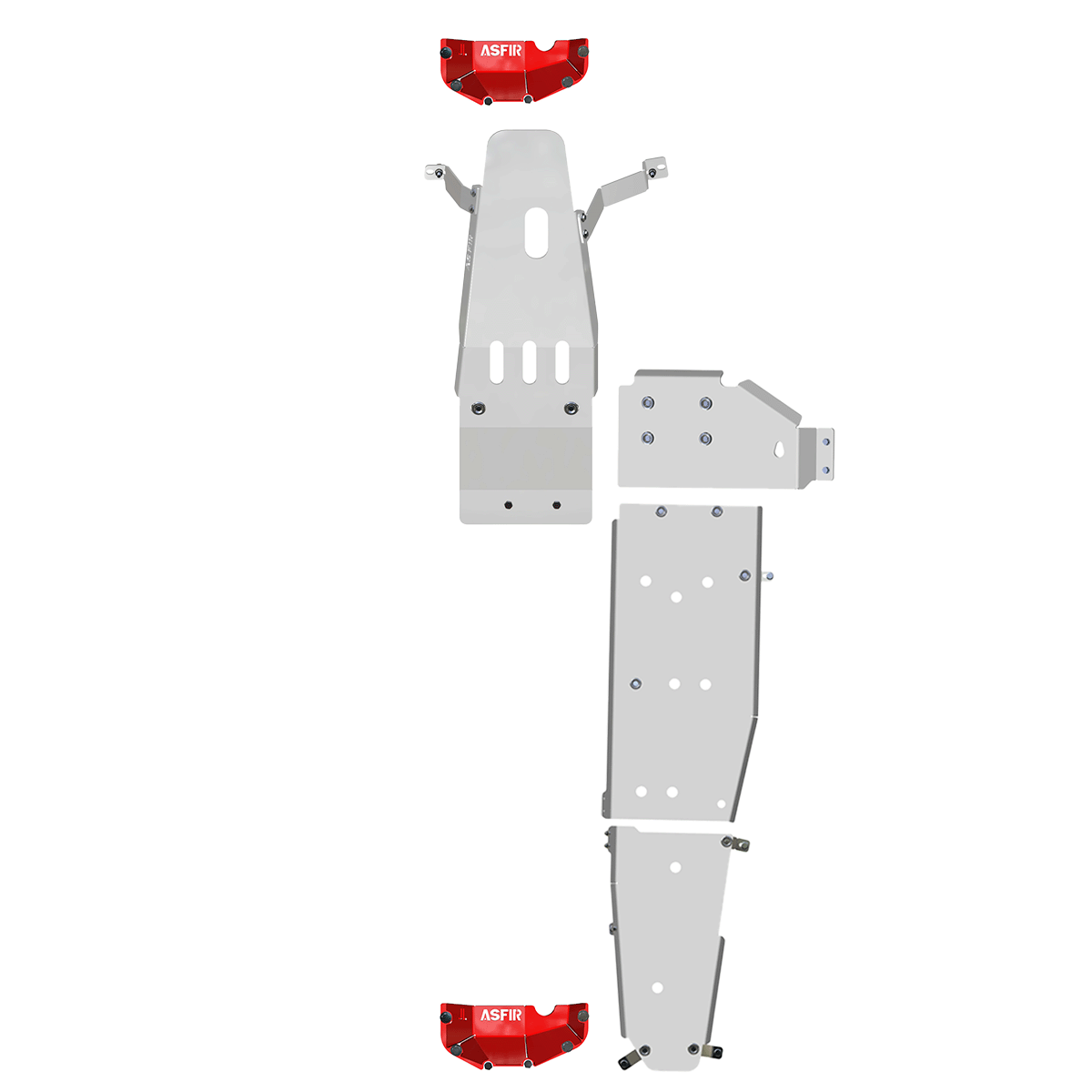
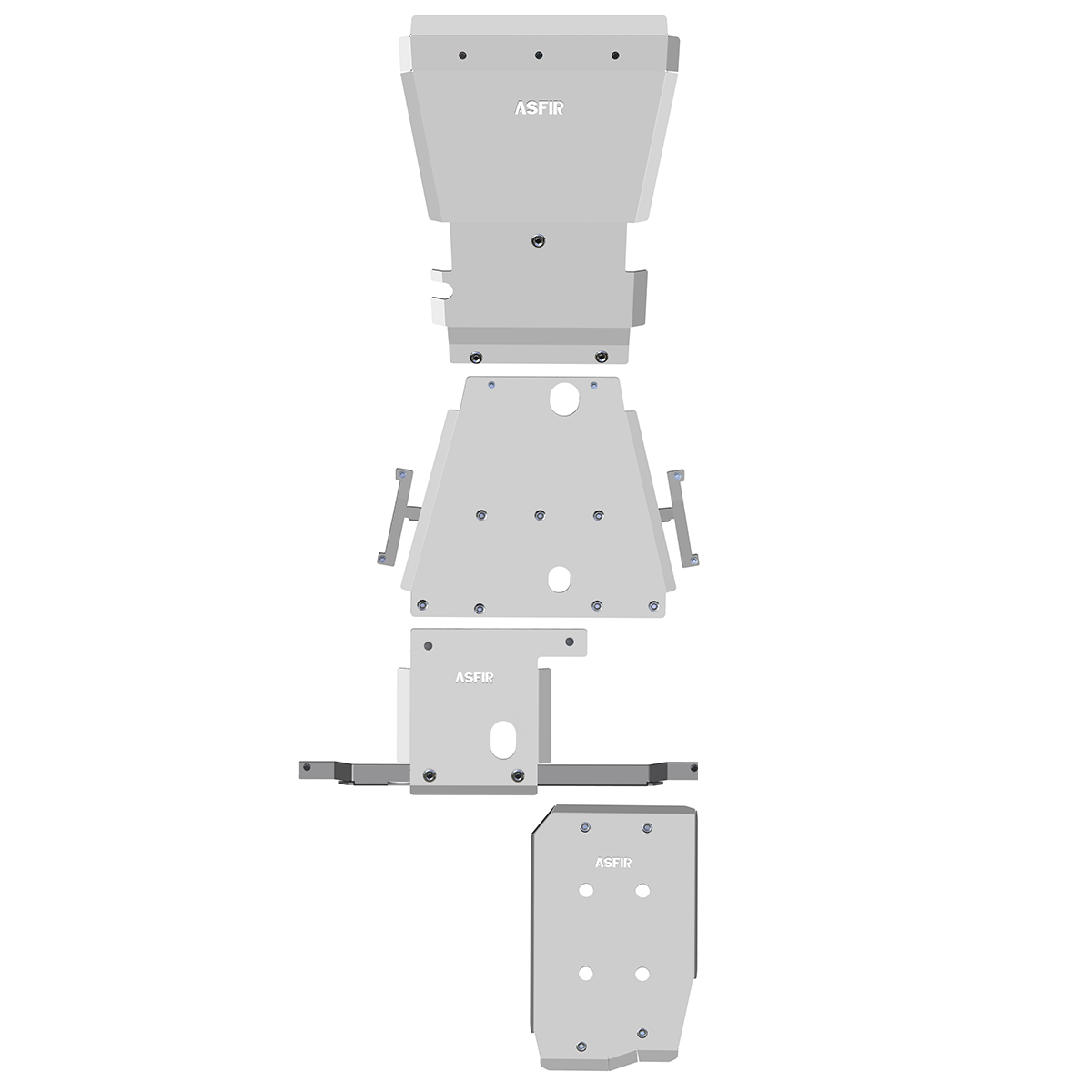
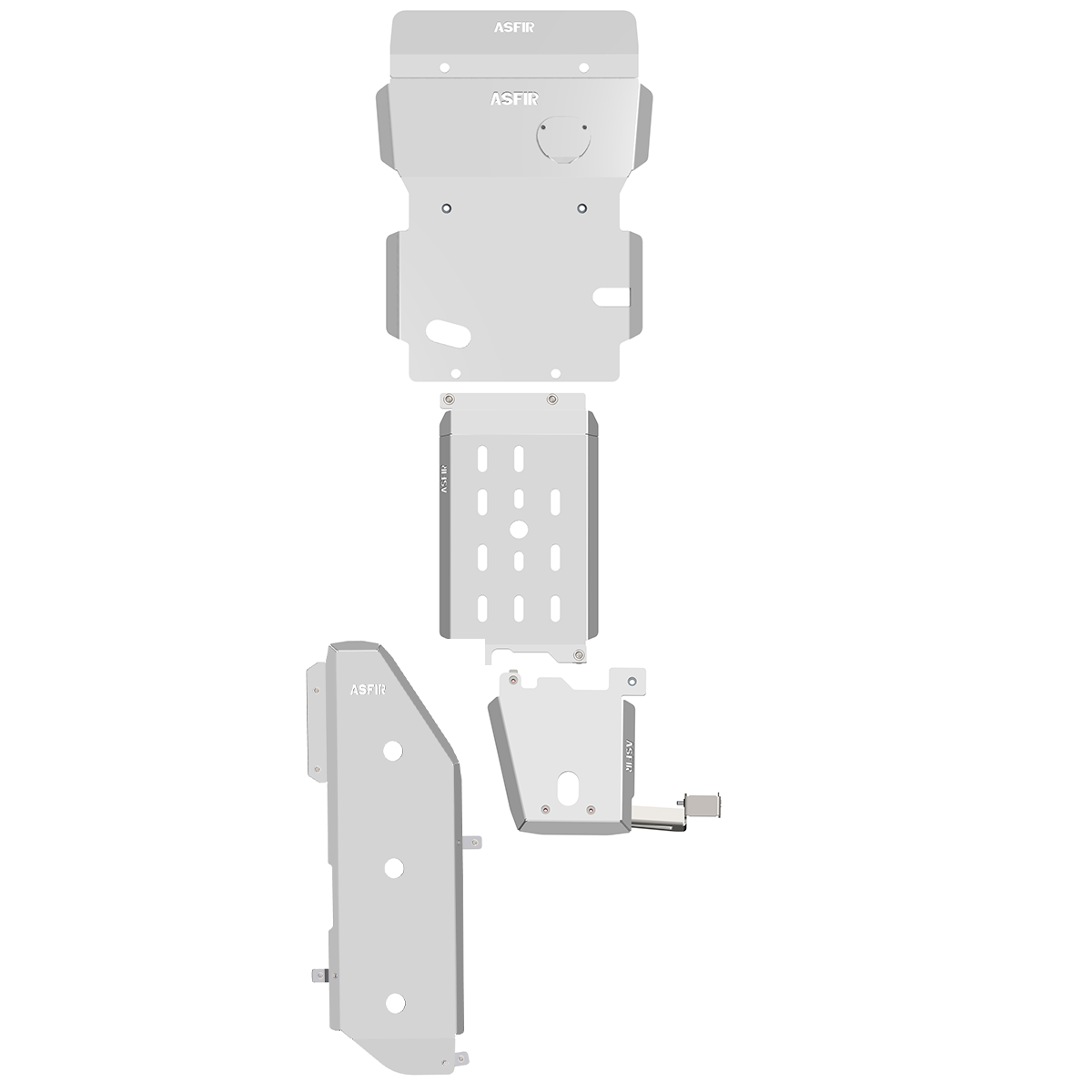
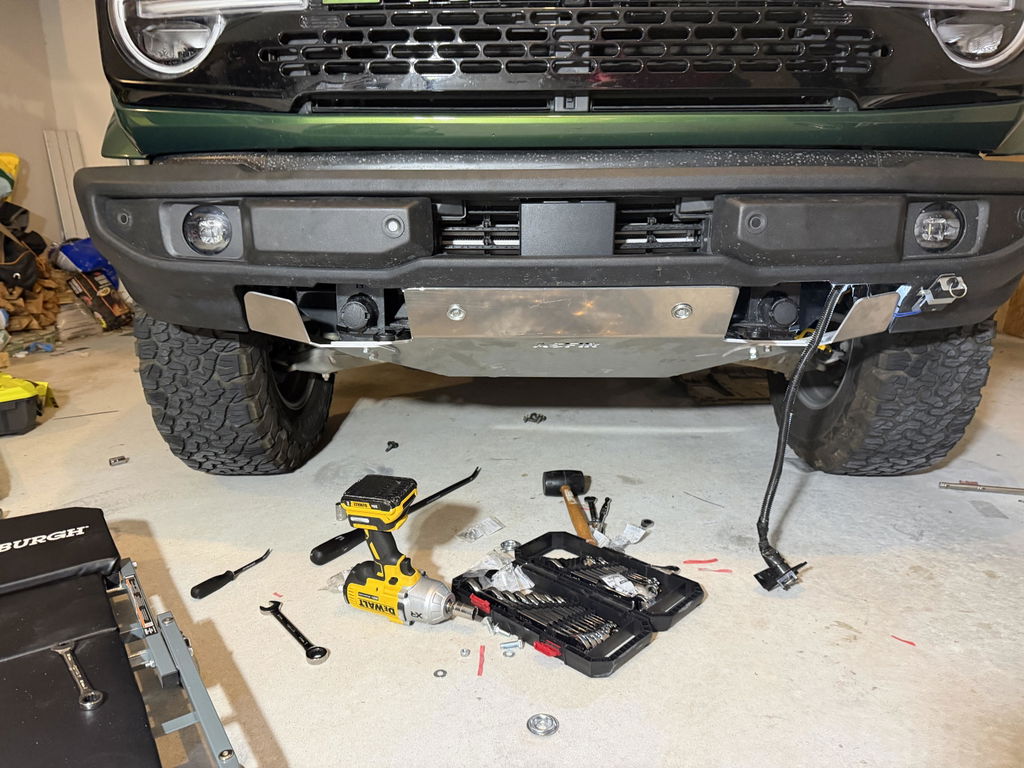
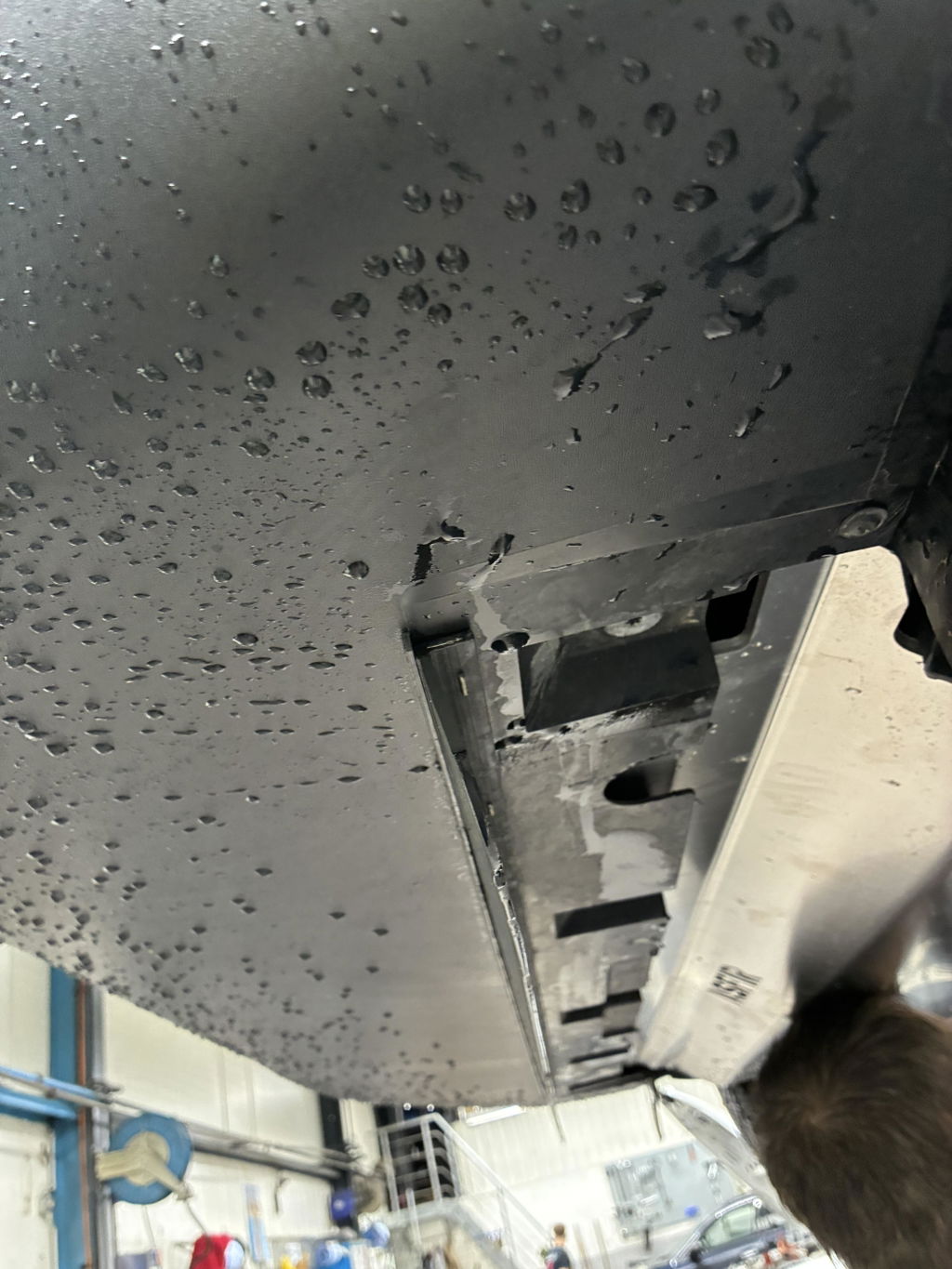
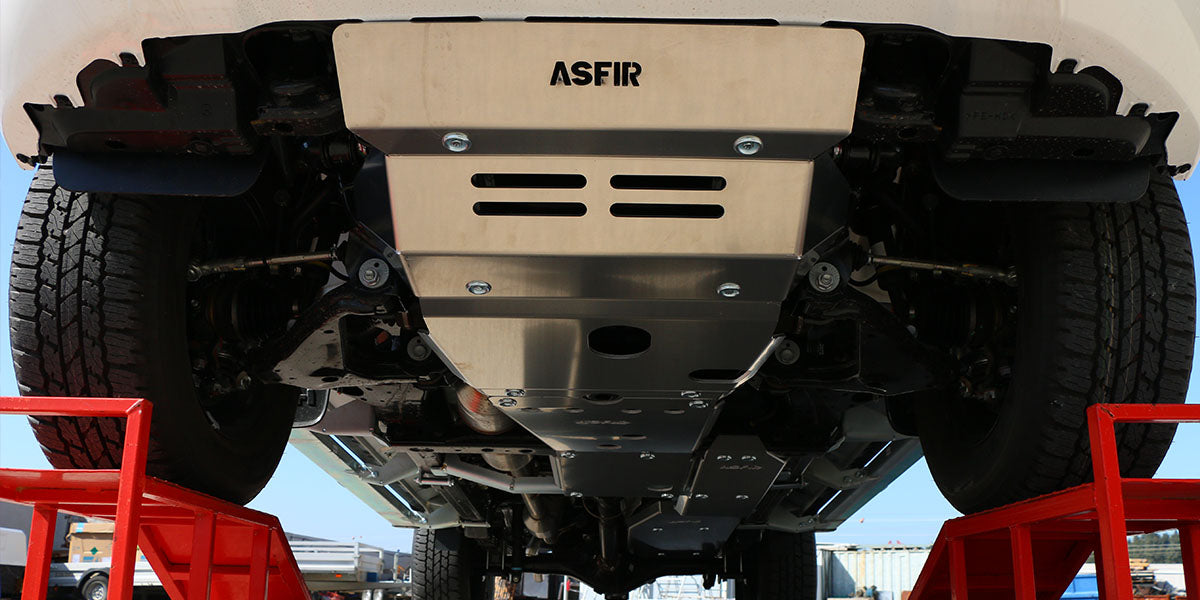
ASFIR 4x4 offers easy-to-install aluminum skid plates for a wide range of cars and SUVs. These skid plates are designed for quick installation, requiring no cutting or drilling, and provide lasting protection for your vehicle’s vital components. Explore our inventory to find the right aluminum skid plate for your needs.

Frequently Asked Questions
Can I install skid plates myself, or should I have a professional do it?
If you have basic experience working on your vehicle, you can install a skid plate yourself. Most aluminum skid plates are designed for easy attachment to the chassis, with no additional cutting or drilling required. Installation typically takes less than an hour with standard tools.
How do I maintain my skid plates?
Steel skid plates require regular checks for rust and may need protective coatings. Aluminum skid plates need minimal maintenance. For UHMW skid plates, inspect for cracks or dents after off-road use to ensure continued protection.
How do I choose the right thickness for my skid plates?
The ideal thickness depends on the material:
- Aluminum: ¼ inch
- Steel: 3/16 inch
- UHMW: ¼ inch to ⅜ inch