How ASFIR Skid Plates Impact Routine Vehicle Maintenance
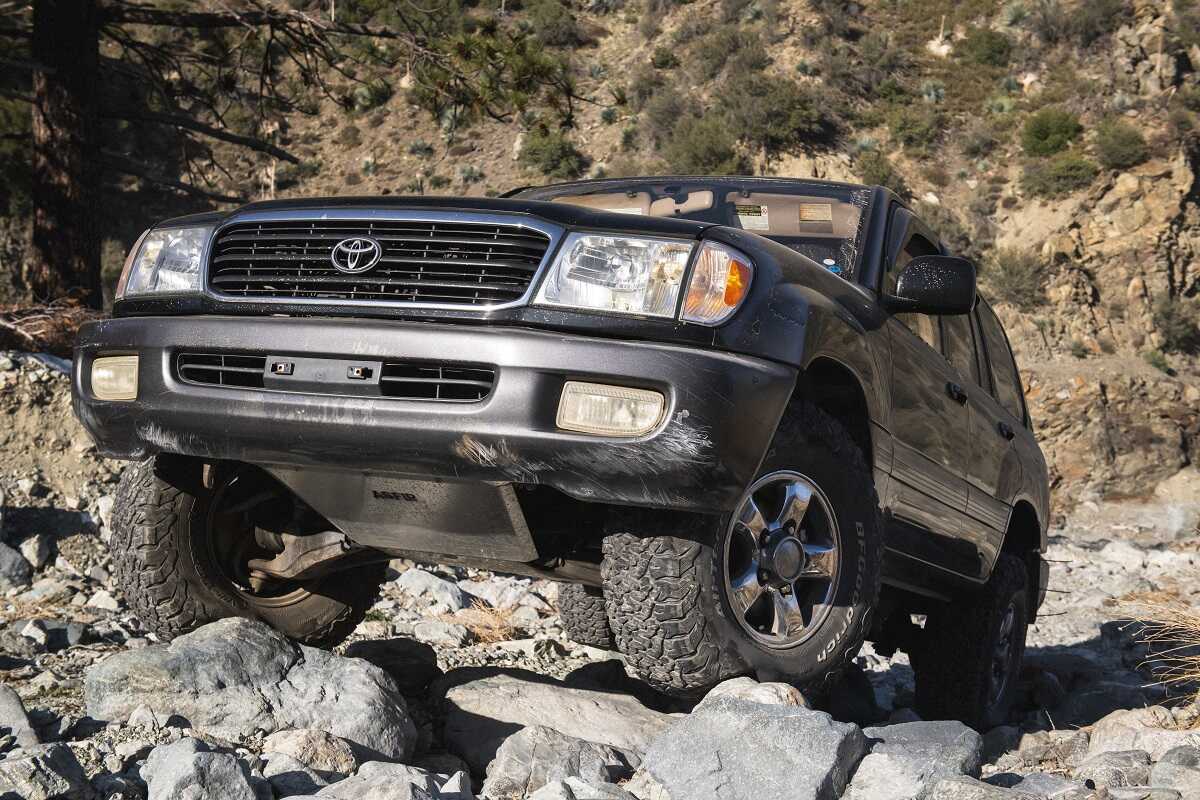
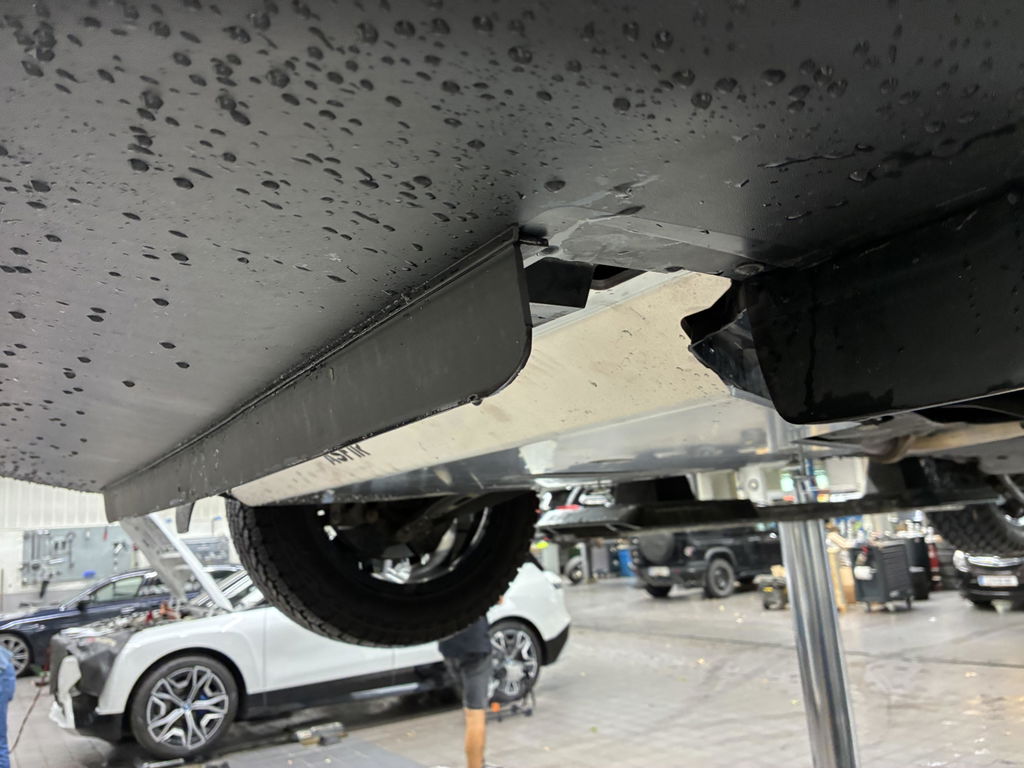
Skid plates are essential for off-road enthusiasts, protecting your vehicle’s undercarriage from rocks, debris, and other hazards. But how do ASFIR skid plates affect routine maintenance tasks like oil changes and fluid services? This guide explains what to expect when maintaining a vehicle equipped with ASFIR skid plates.
ASFIR Skid Plates: Maintenance-Friendly Design
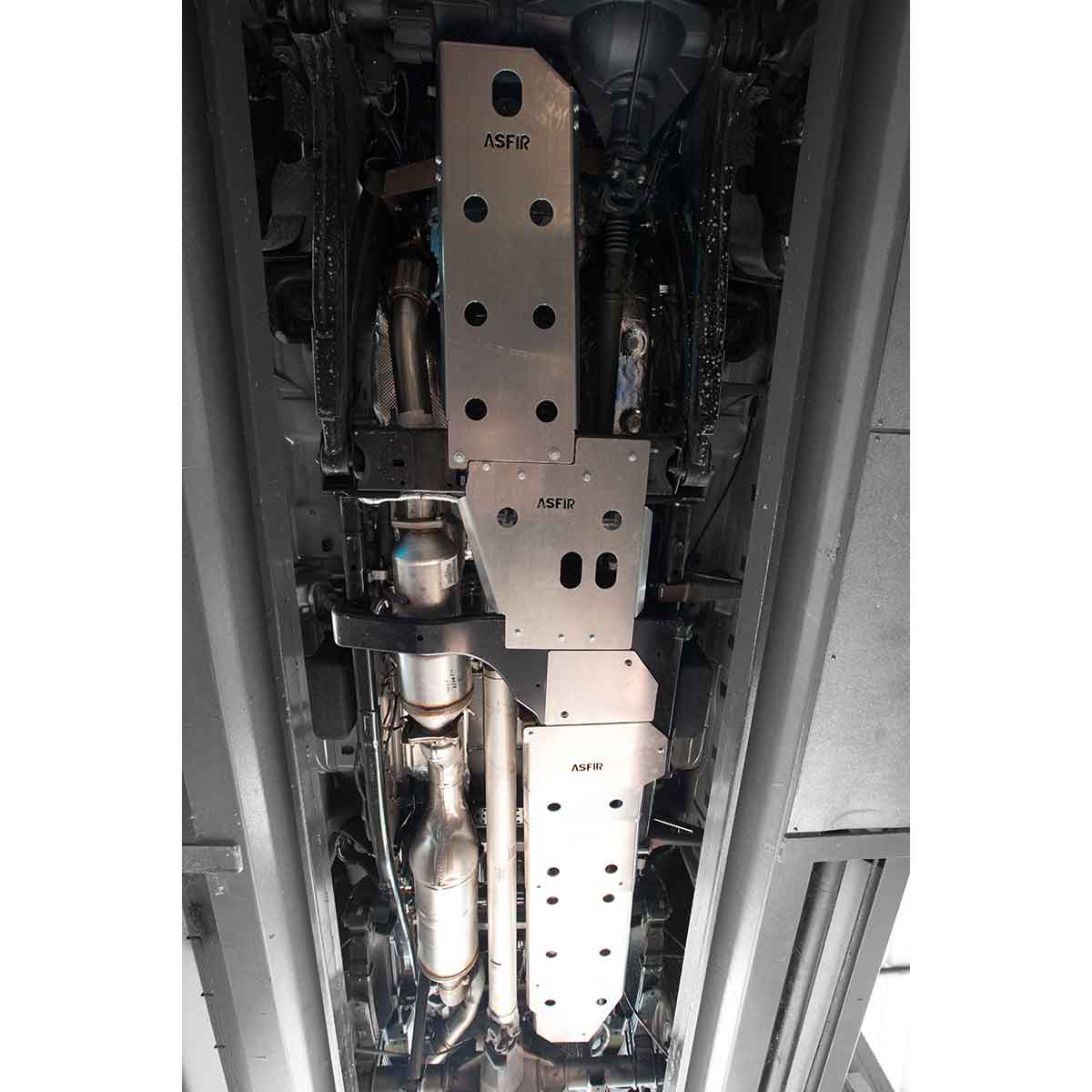
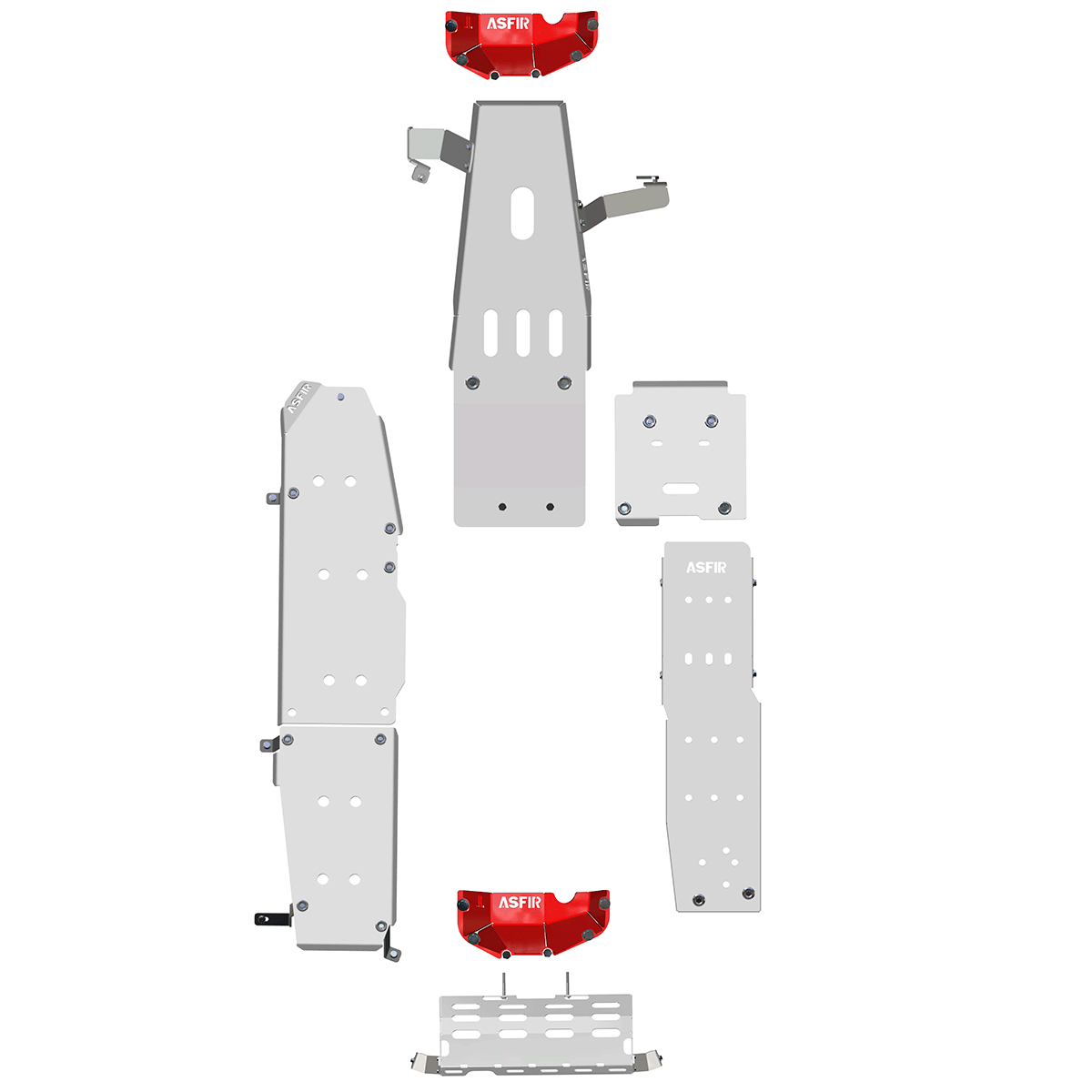
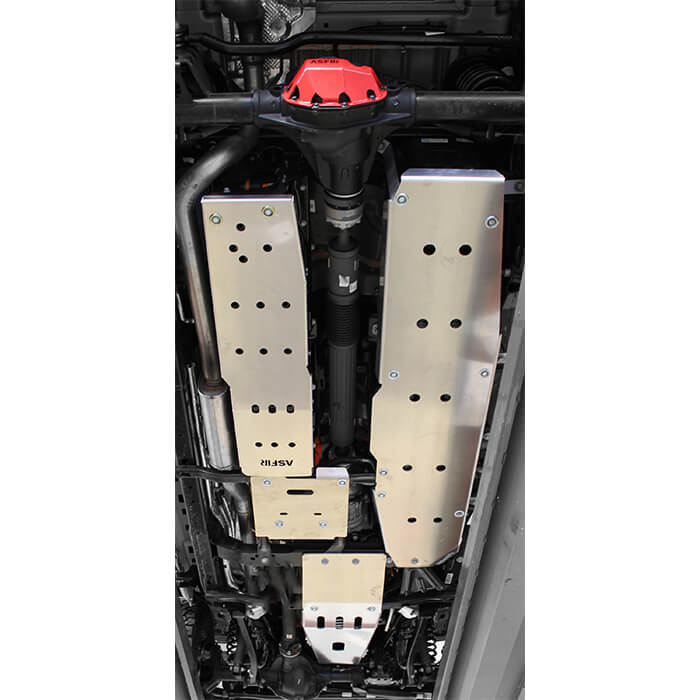
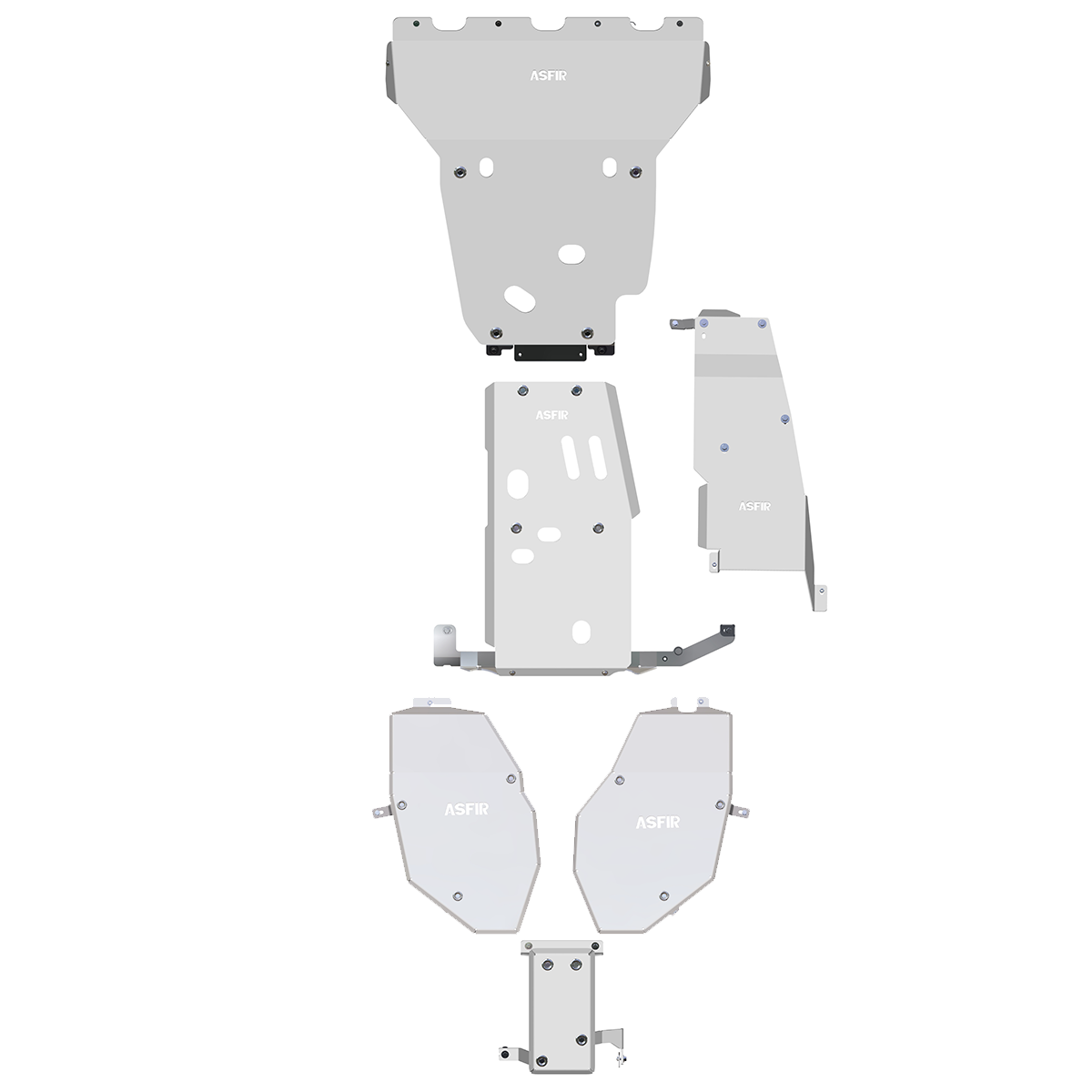
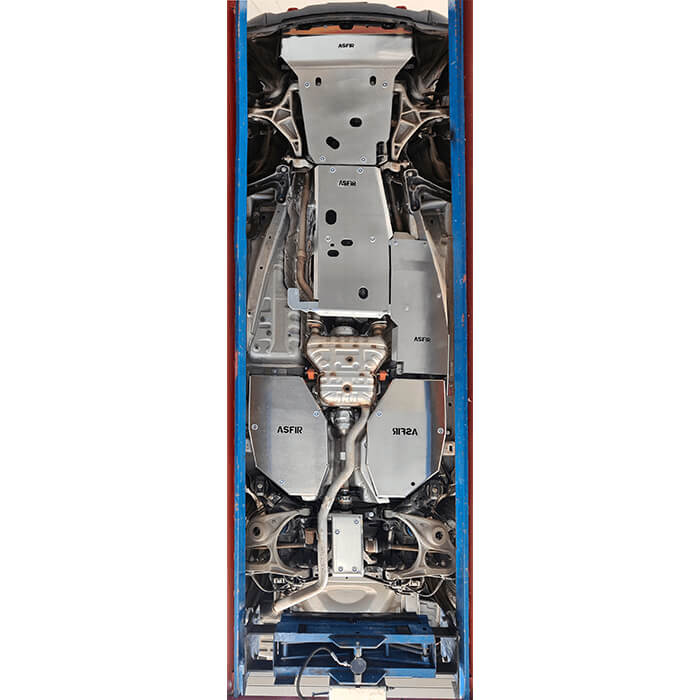
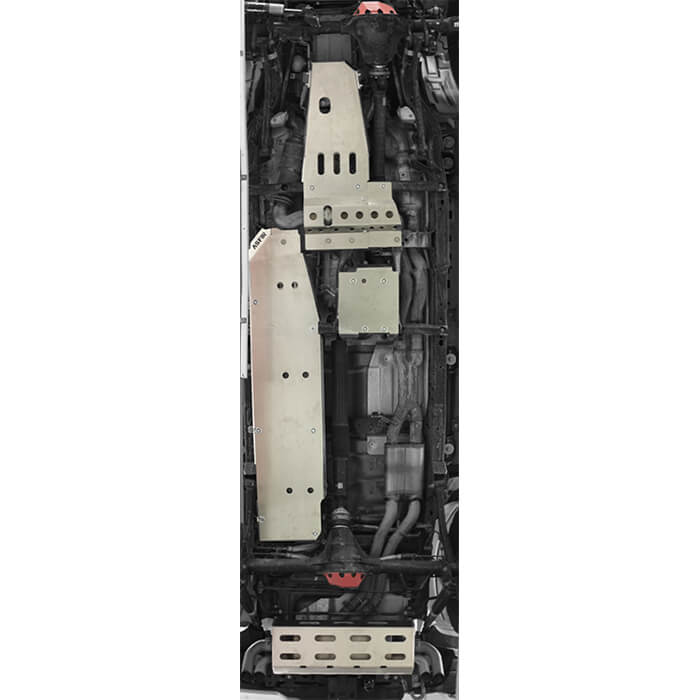
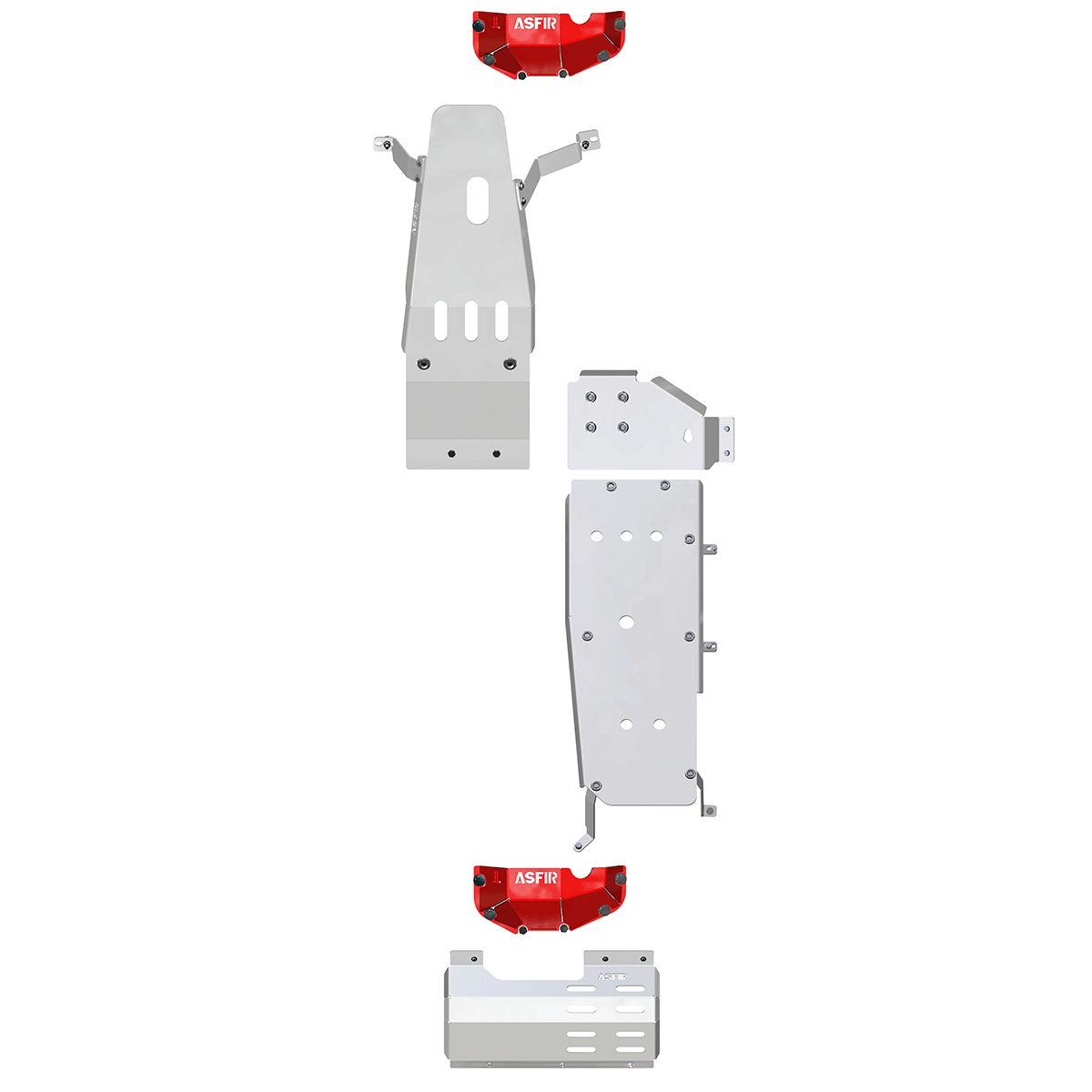
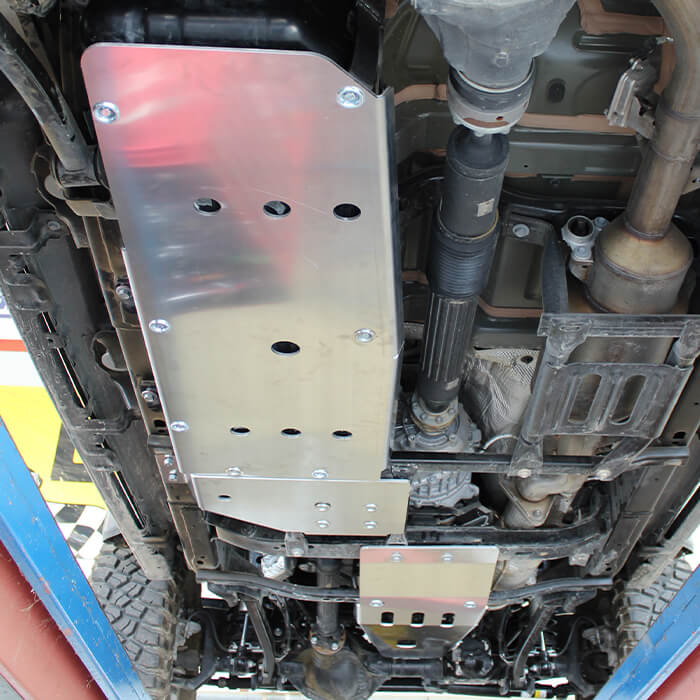
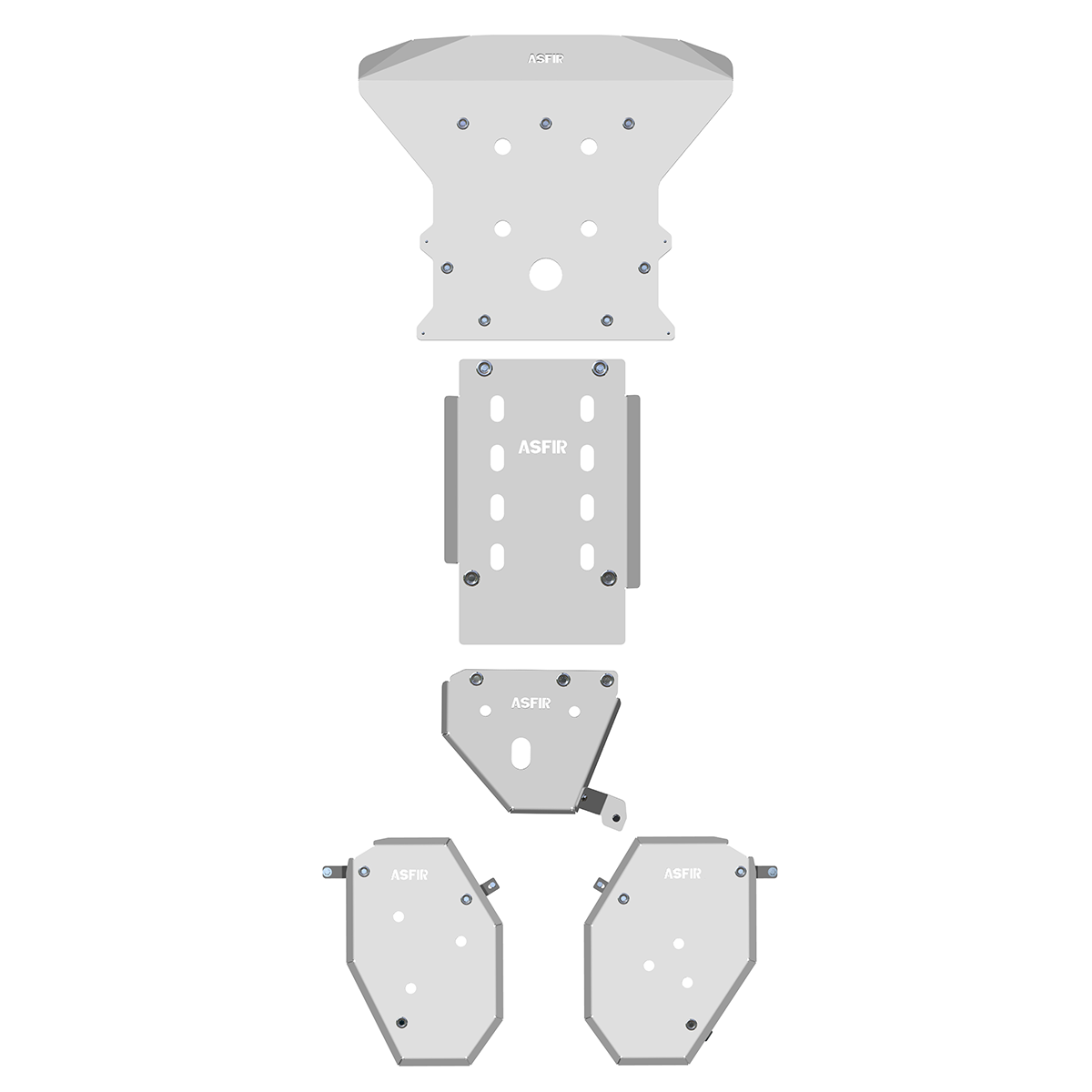
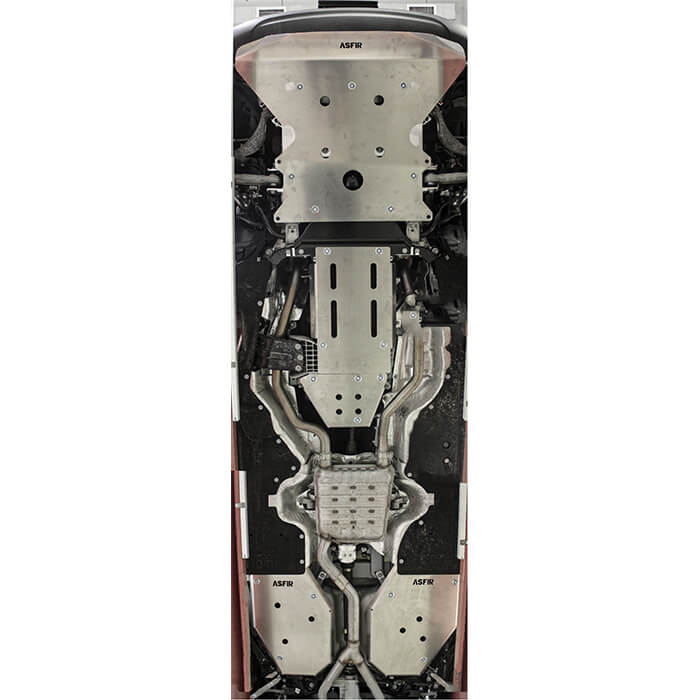
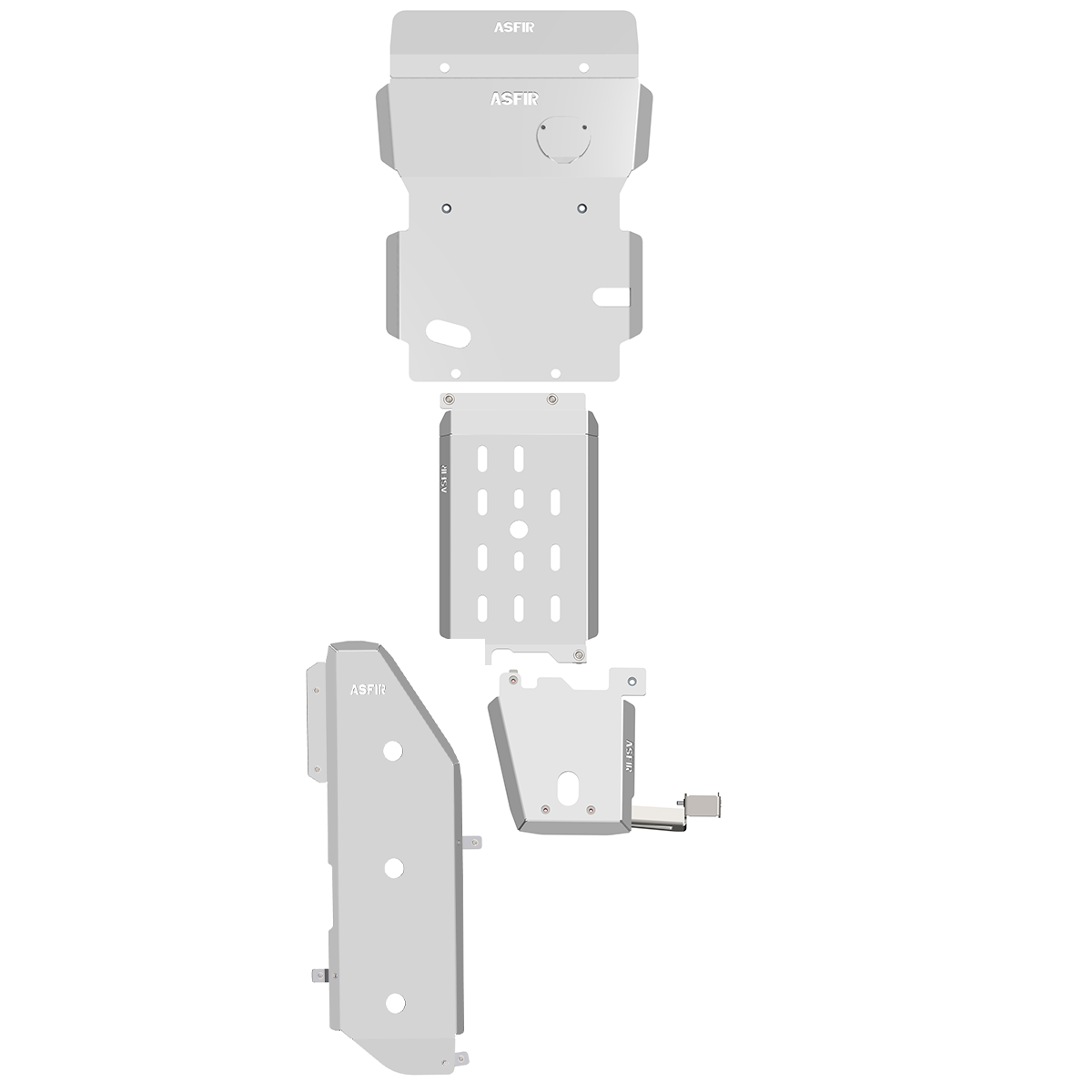
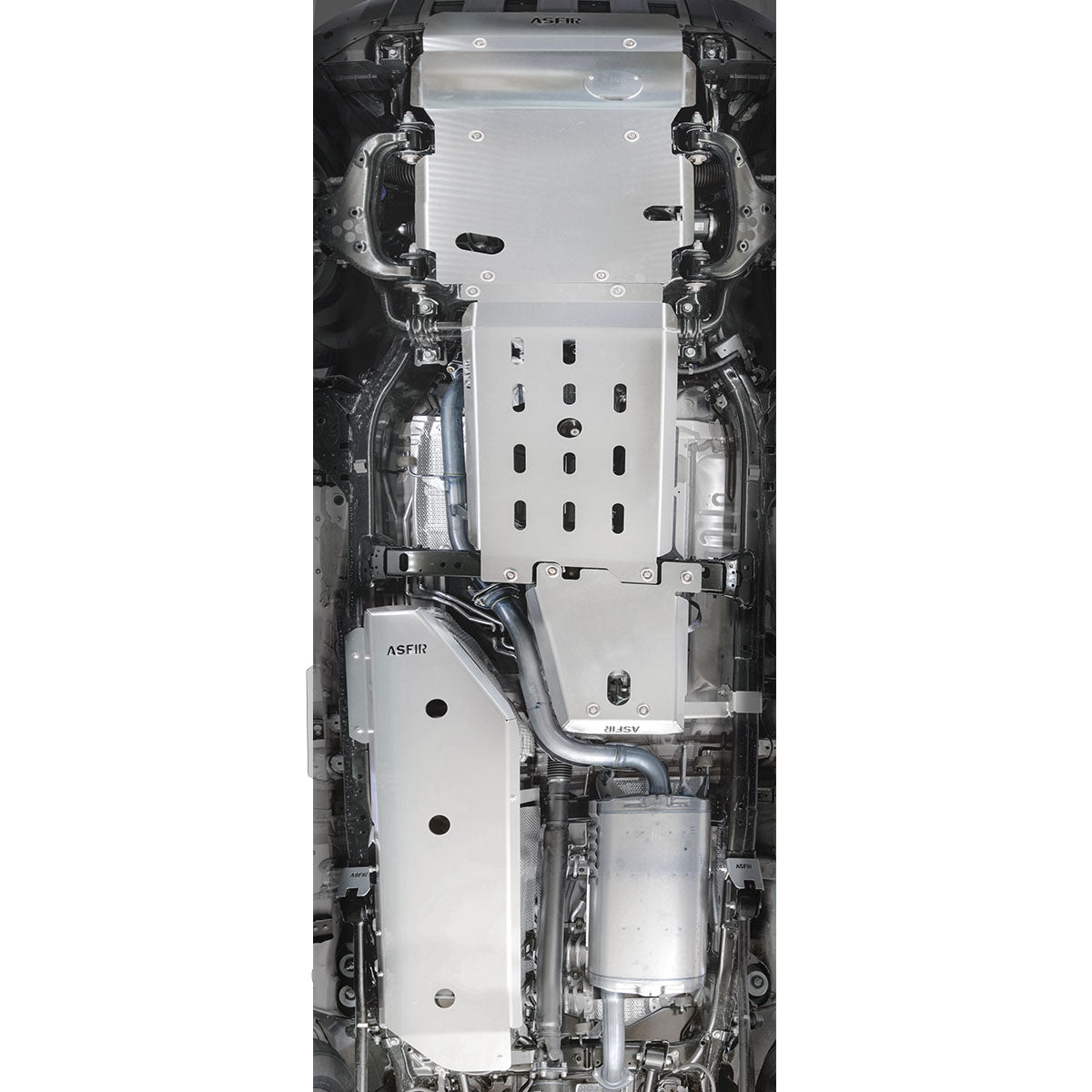
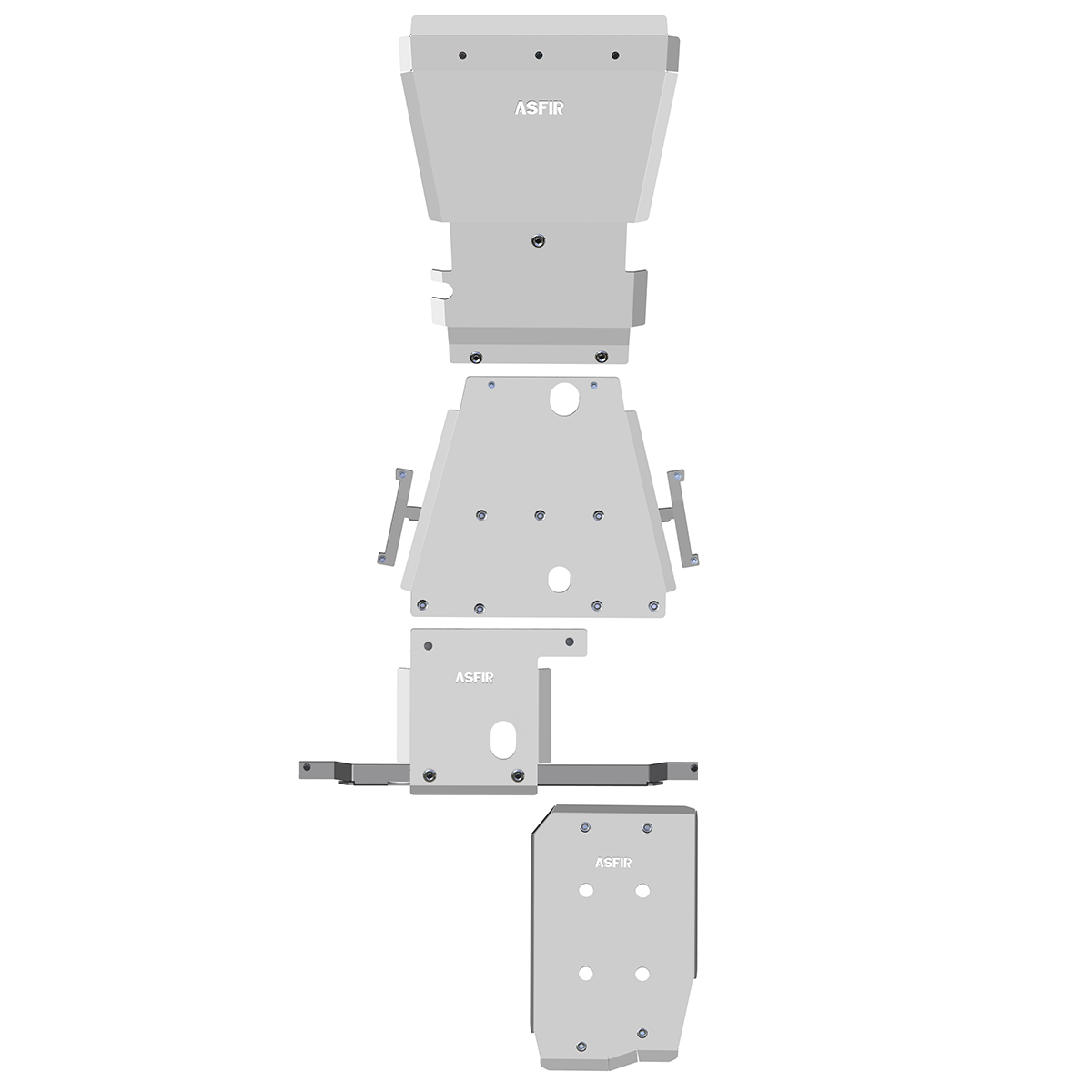
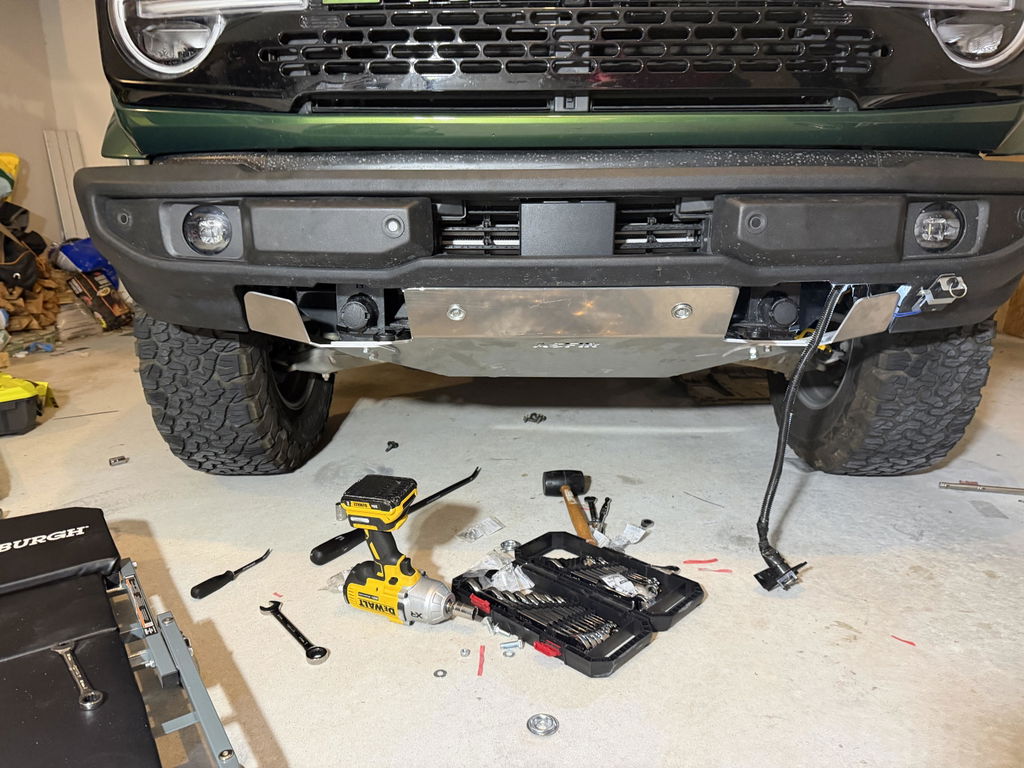
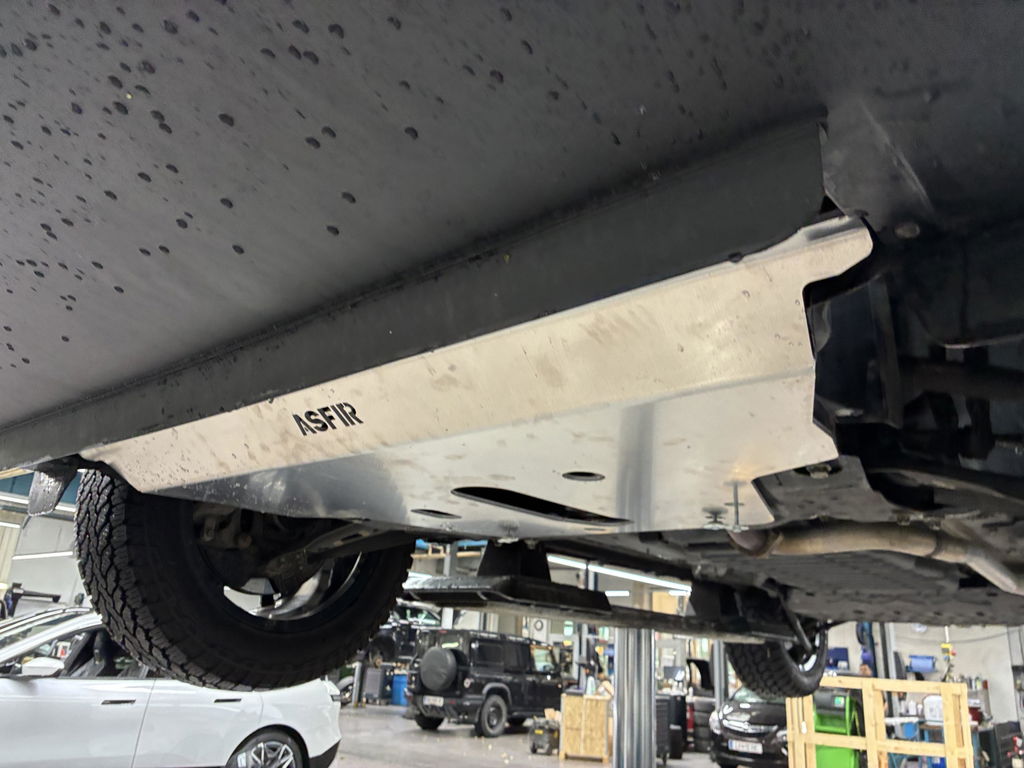
ASFIR skid plates are engineered for easy installation and maintenance. Their modular, lightweight construction and precise fit are designed with do-it-yourselfers in mind. ASFIR’s approach ensures that most routine maintenance can be performed with minimal extra effort.
Oil Changes
Oil changes are the most common maintenance task affected by skid plates, since oil drain plugs and filters are usually located on the underside of the vehicle.
- ASFIR skid plates provide access points for the drain bolt and oil filter.
- Most oil changes can be completed with standard hand tools.
- You may need a rag to wipe minor oil splashes from the skid plate.
Differential Fluid Changes
Both front and rear differentials need periodic fluid changes, especially after frequent off-road use.
- ASFIR differential skid plates are designed to allow draining and refilling without removing the plates.
- Access is possible using common hand tools.

Transfer Case and Transmission Fluid Changes
The transfer case and transmission are typically protected by skid plates as well.
- ASFIR designs aim to provide access to drain and fill bolts without removing the skid plates.
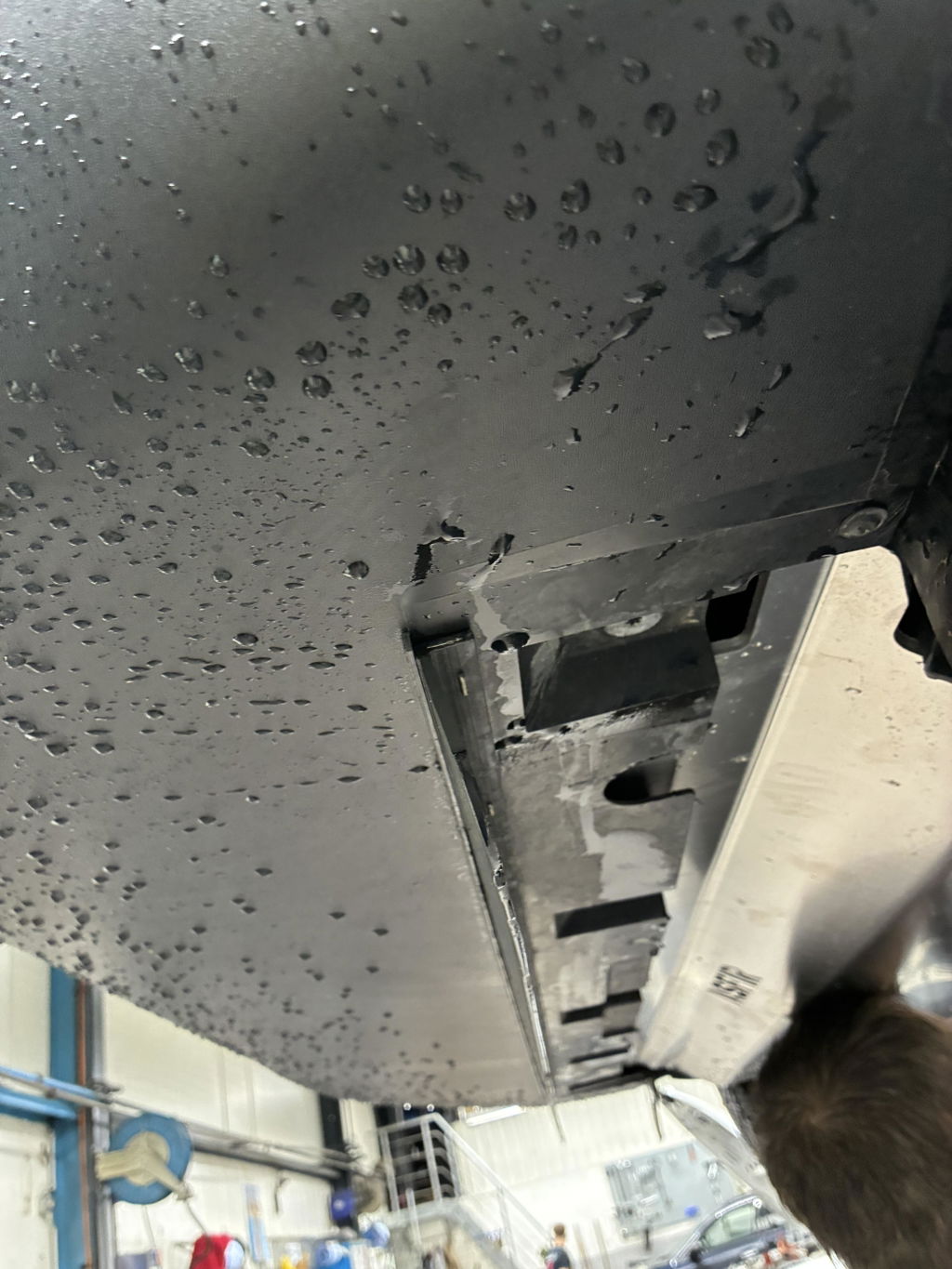
- On some vehicles (such as the Jeep Wrangler JL), even OEM underbody panels must be removed for access. ASFIR skid plates are modular and lightweight, making removal and reinstallation quick and straightforward when necessary.

Other Maintenance and Repairs
For other services, such as exhaust or suspension work, ASFIR’s modular design allows for fast removal and reinstallation of skid plates.
- Skid plates can be removed and reinstalled quickly for access to components like the exhaust or suspension.
- This modularity helps minimize downtime during repairs or upgrades.
Conclusion
ASFIR skid plates offer crucial protection for off-road vehicles while maintaining accessibility for routine maintenance. Although they add a protective layer, their thoughtful design ensures that most service tasks remain straightforward. By understanding how ASFIR skid plates interact with common maintenance procedures, you can keep your vehicle both protected and well-serviced in 2026 and beyond.
Frequently Asked Questions
Do ASFIR skid plates make oil changes harder?
No, ASFIR skid plates are designed with access points for the oil drain plug and filter. Most oil changes can be performed with standard tools and minimal extra steps.
Will I need to remove skid plates for differential fluid changes?
Typically, no. ASFIR differential skid plates allow access to drain and fill bolts without removal, making fluid changes straightforward.
Is it necessary to remove ASFIR skid plates for transmission or transfer case service?
In most cases, ASFIR designs allow access without removal. However, on some vehicles (like the Jeep Wrangler JL), removal may be required—ASFIR skid plates are modular and lightweight for easy handling.
How do ASFIR skid plates affect access to other components?
For repairs or replacements involving the exhaust or suspension, ASFIR’s modular skid plates can be quickly removed and reinstalled, minimizing maintenance delays.