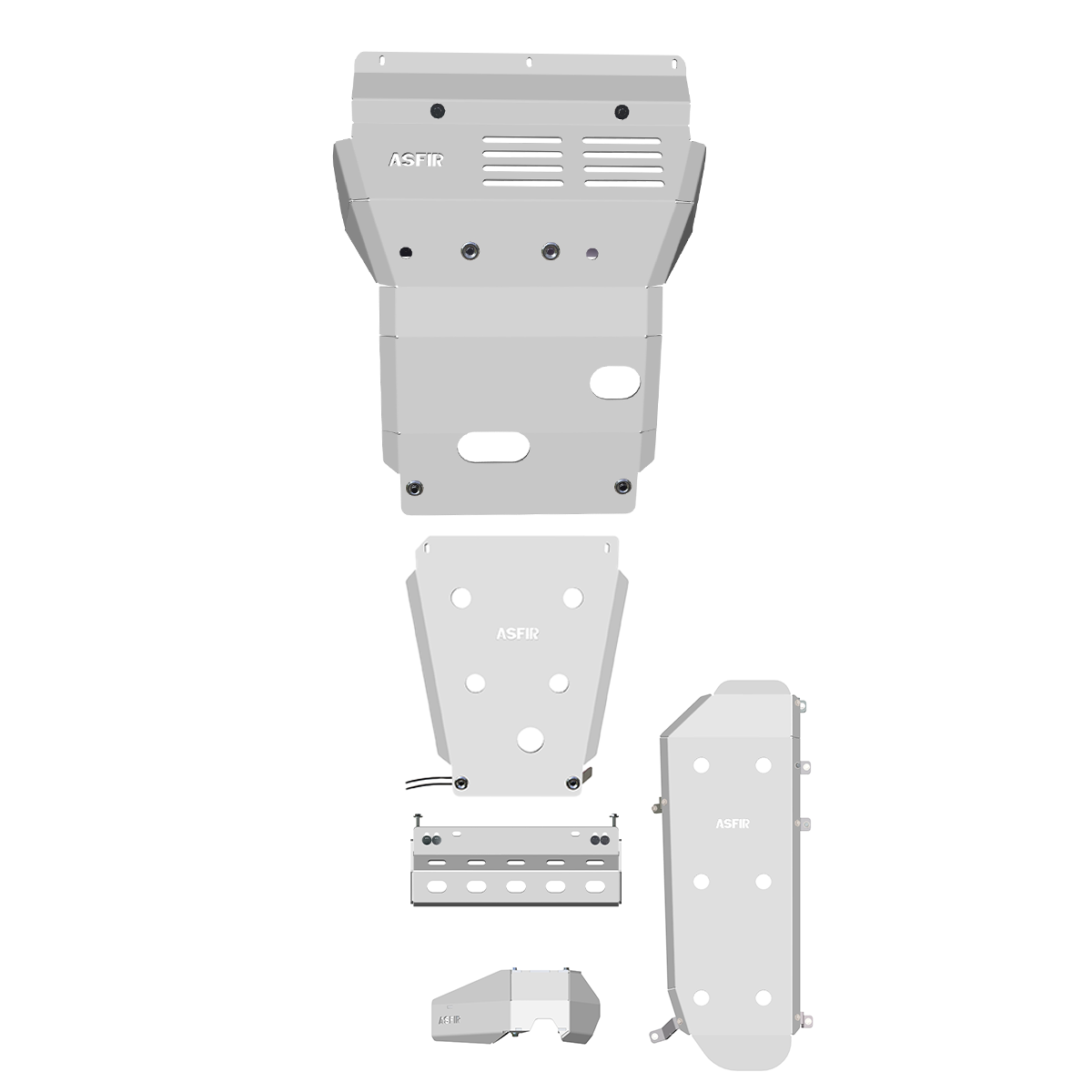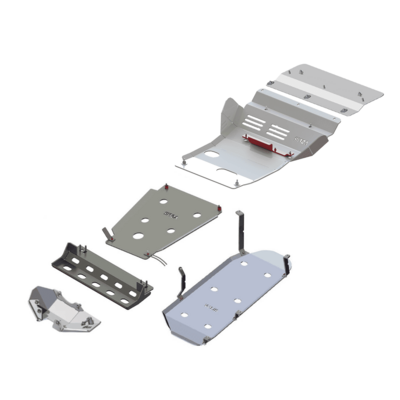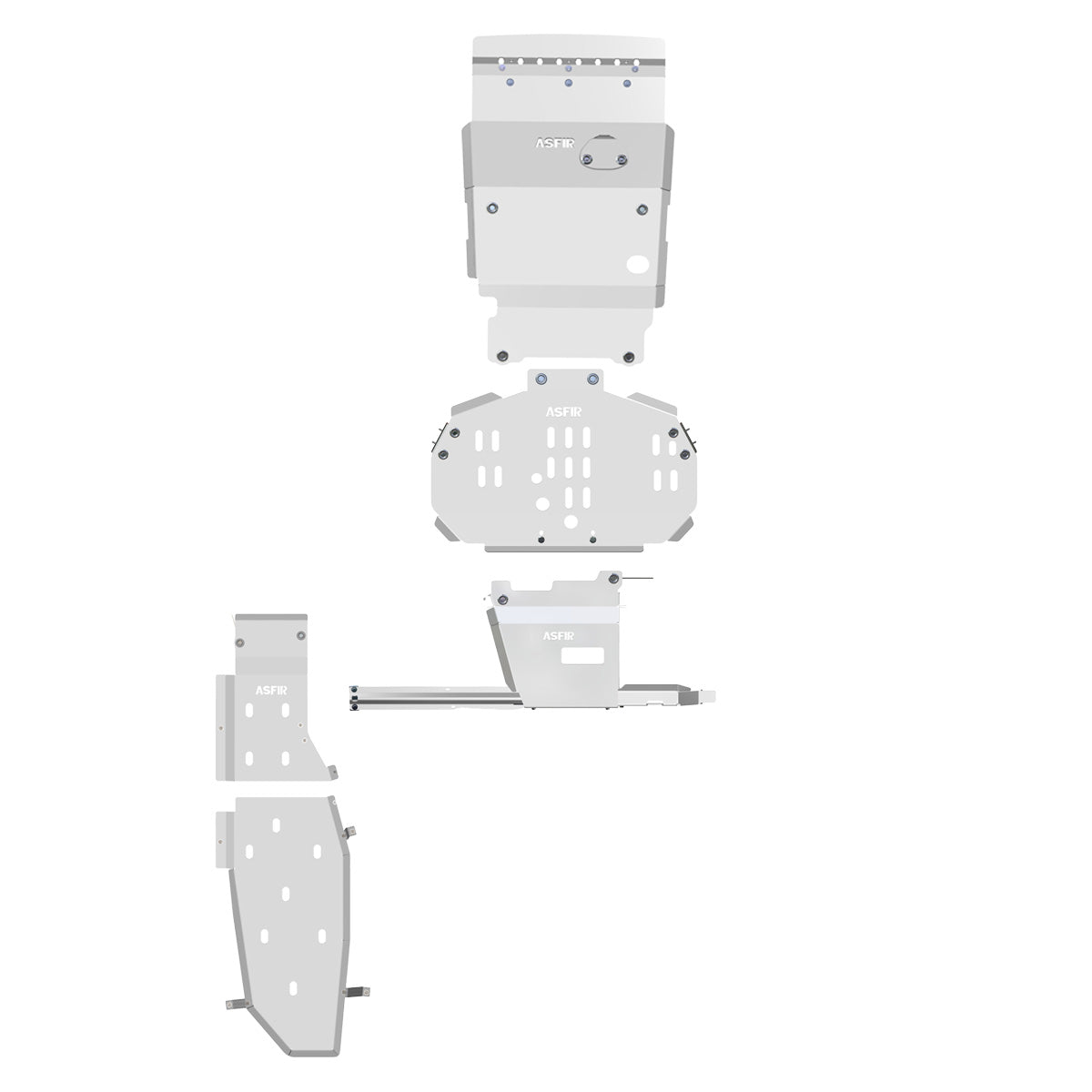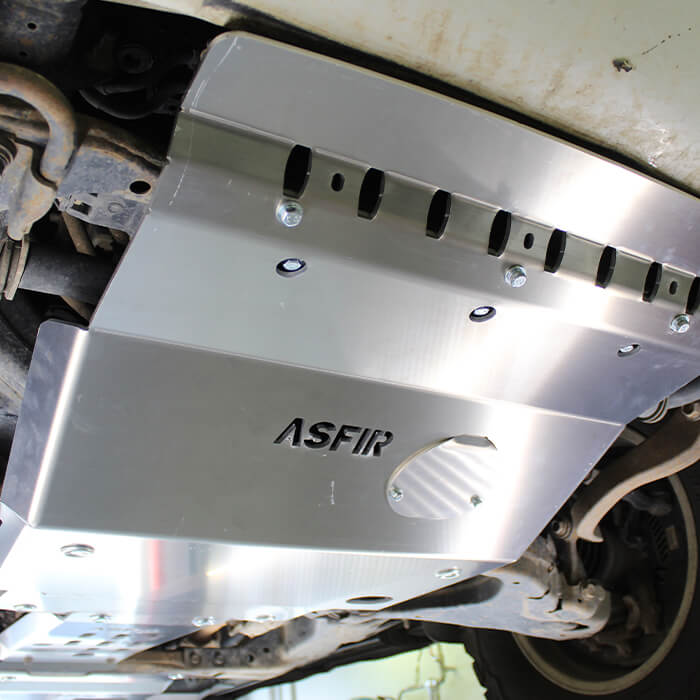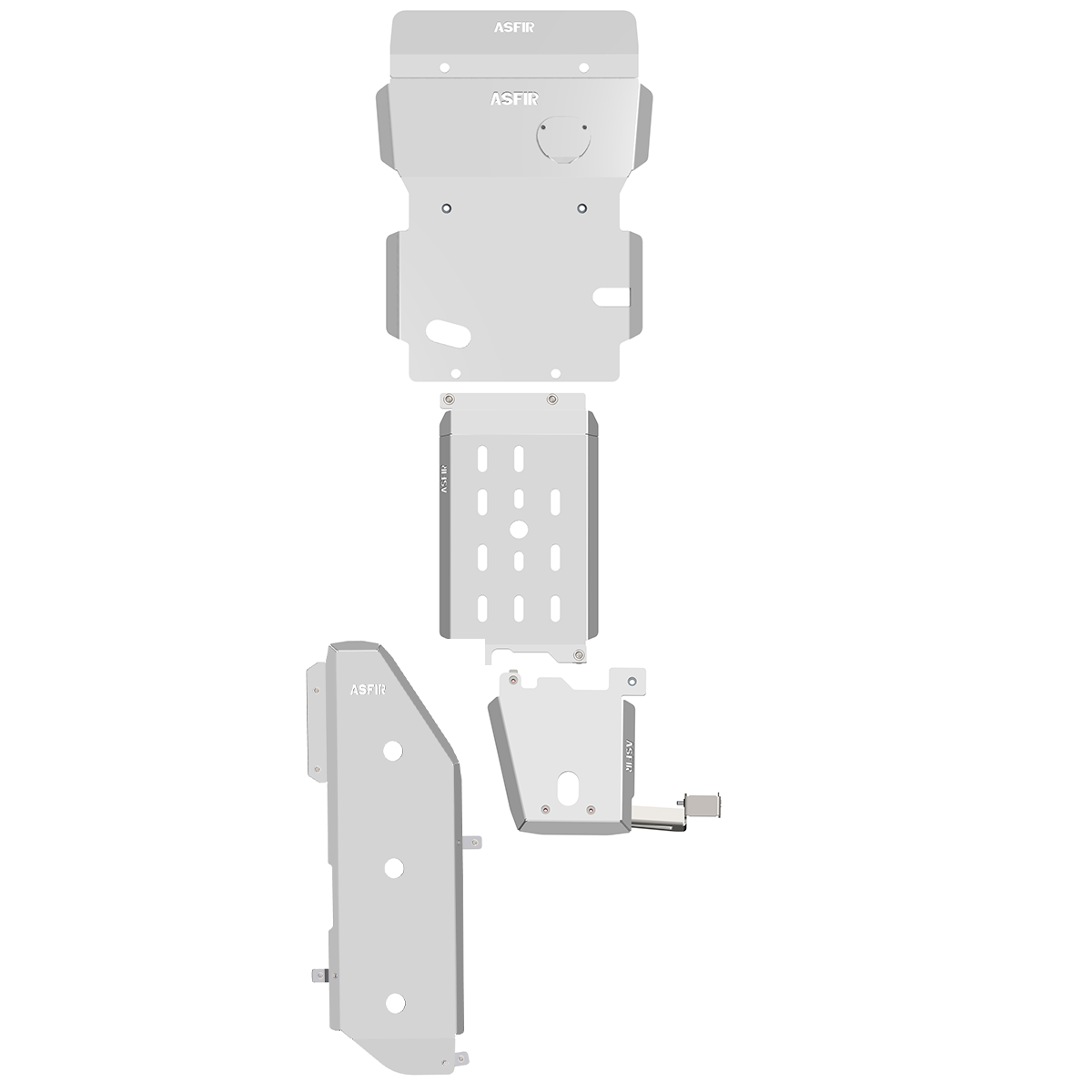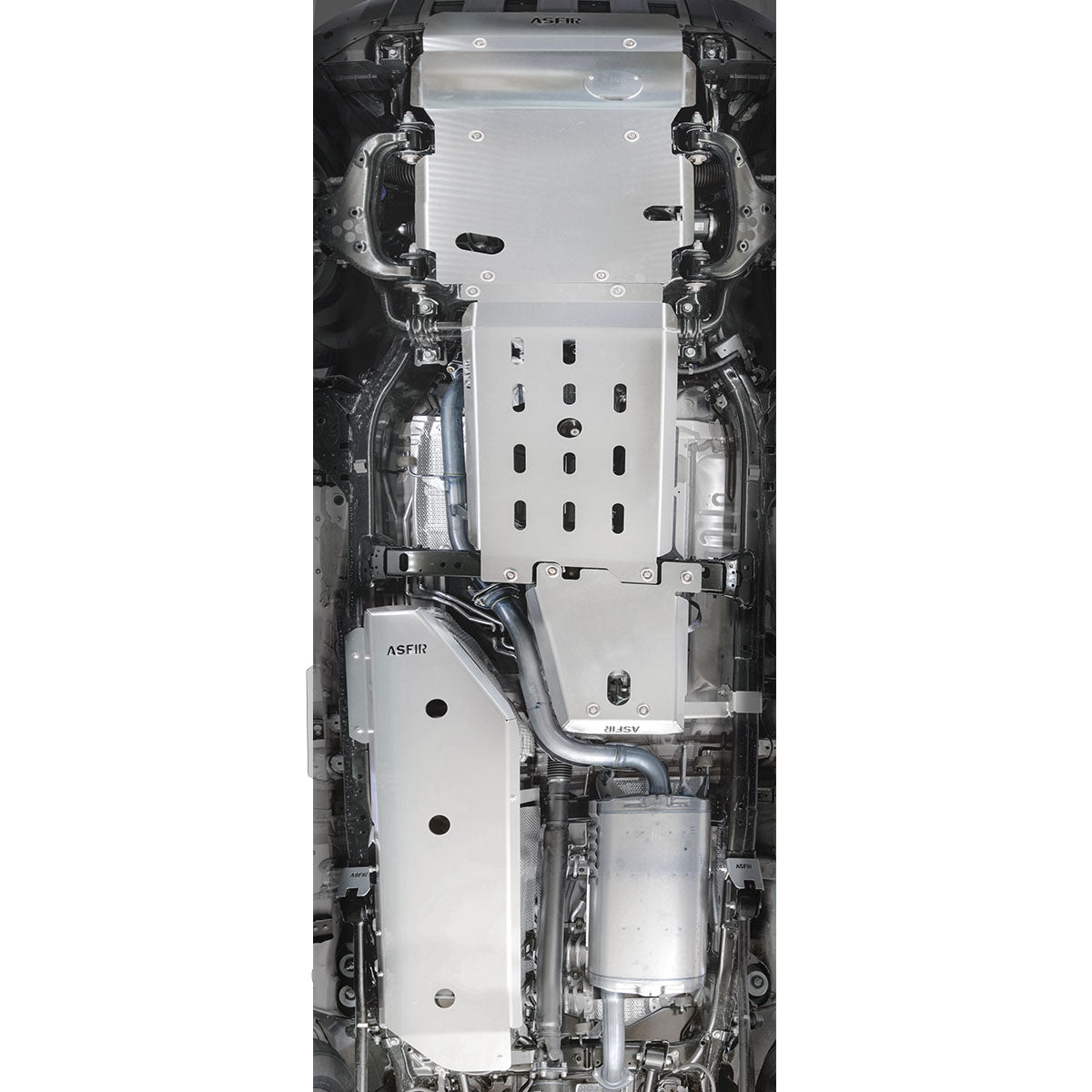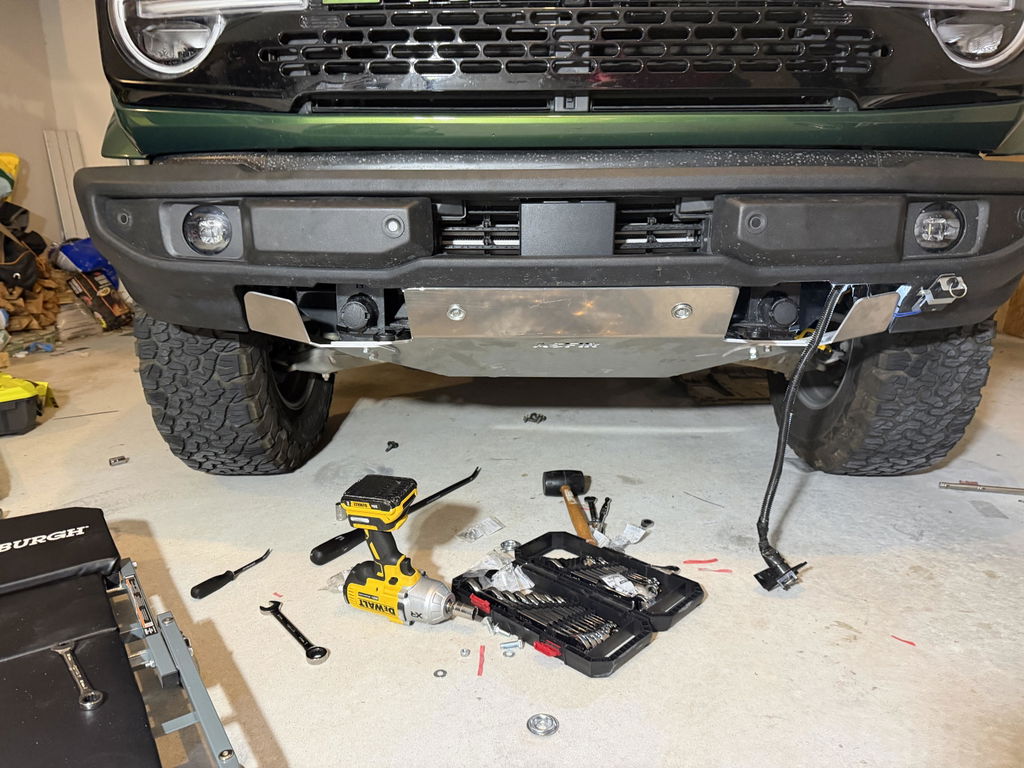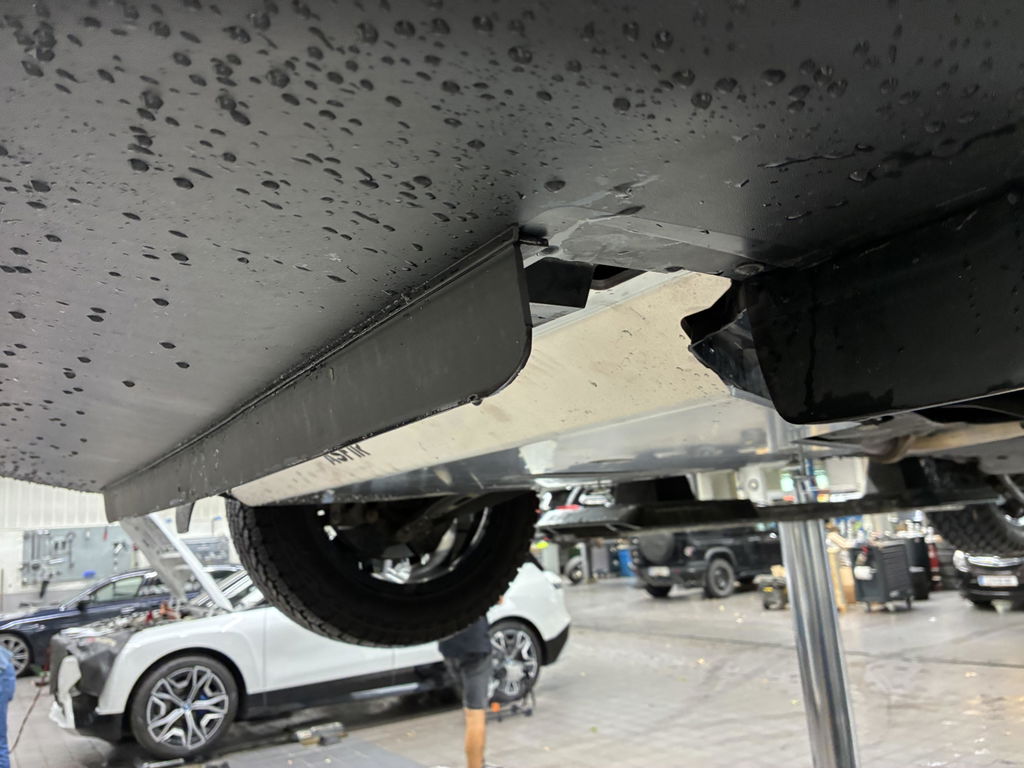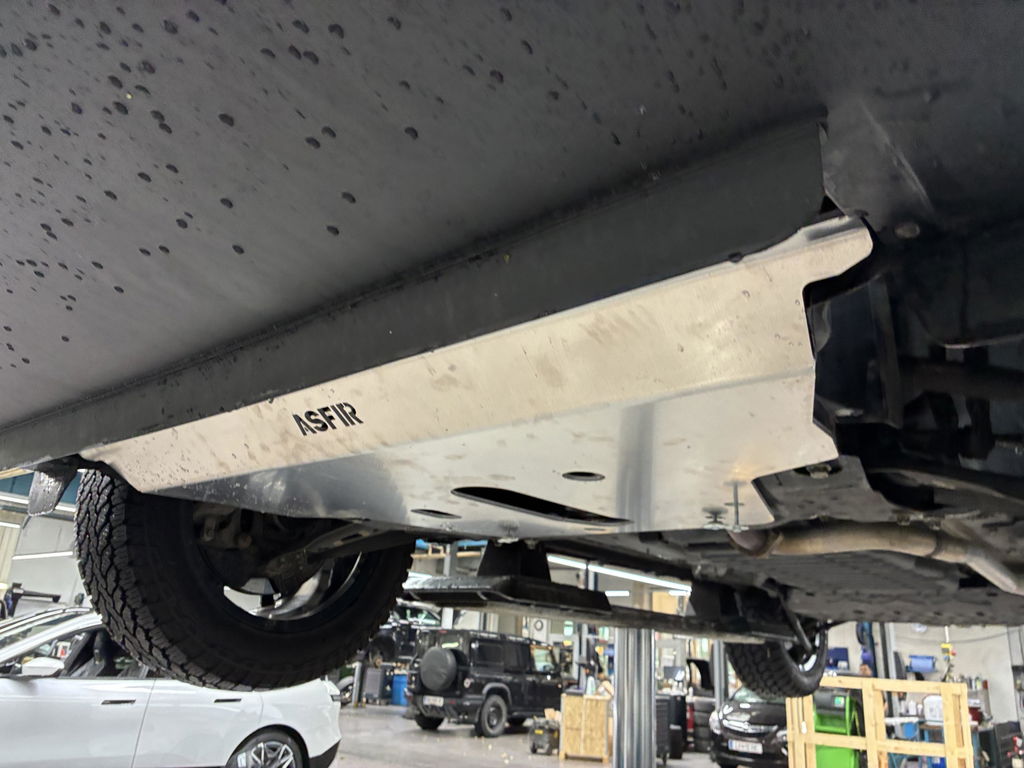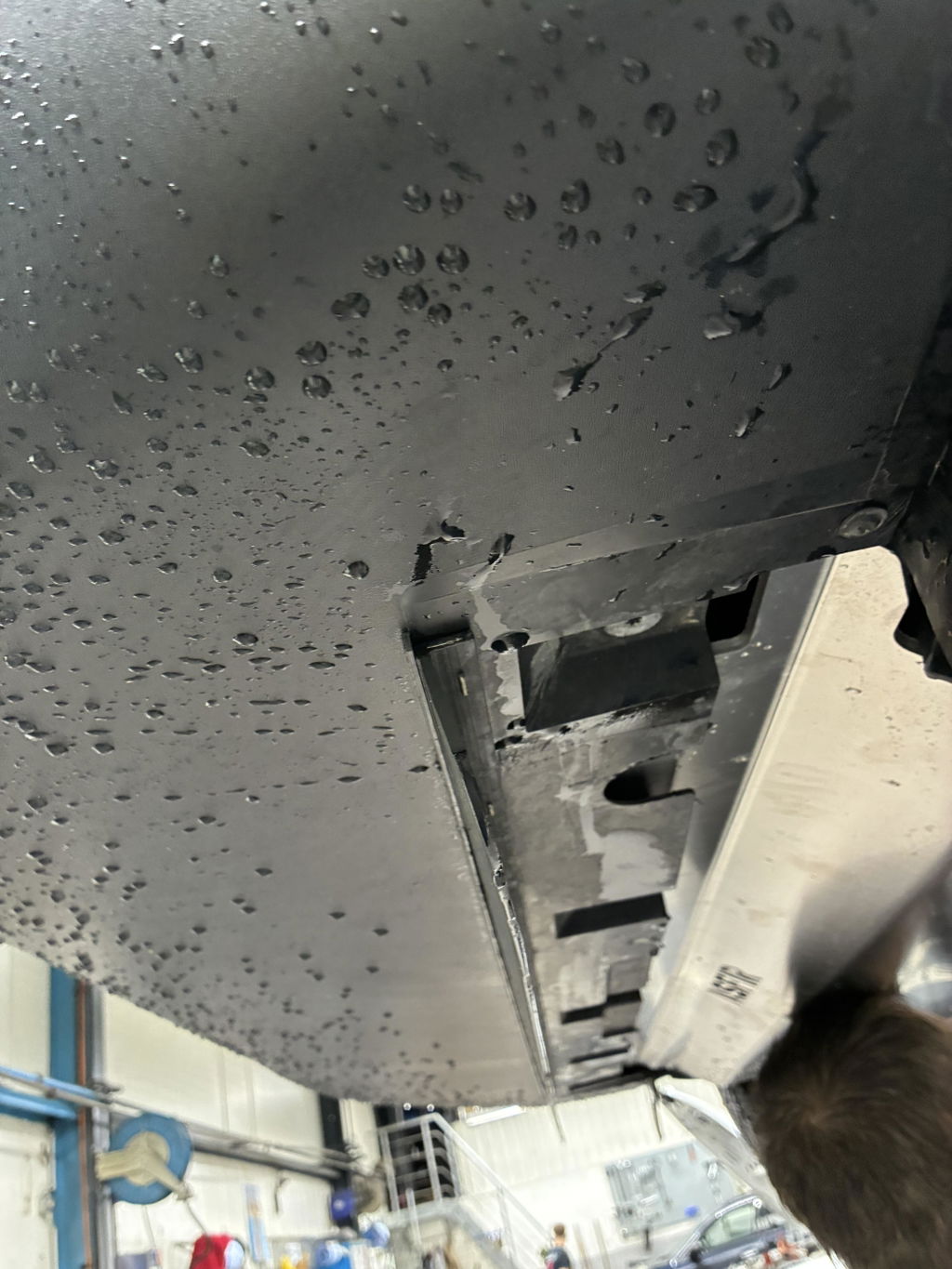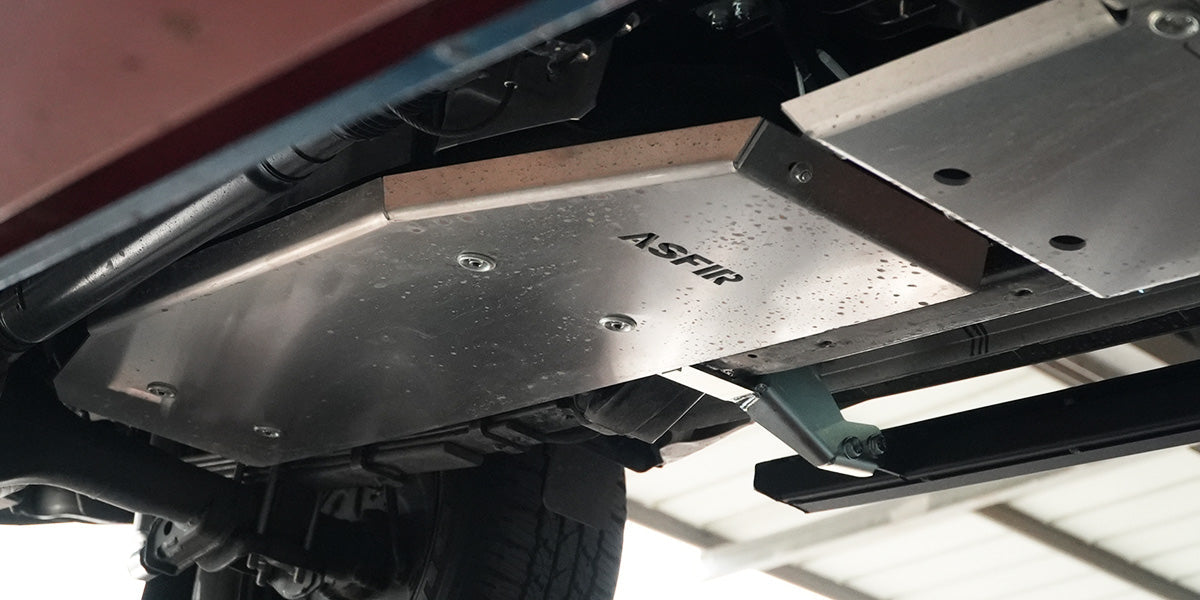
Skid plates are a crucial upgrade for any off-road vehicle, offering essential protection for your undercarriage against rocks, debris, and trail hazards. While OEM skid plates vary by model, trim, and year, aftermarket options can provide a higher level of defense and help prevent costly repairs.
One of the most important choices when selecting skid plates is the material: aluminum or steel. The decision isn't always straightforward, as both materials—and their various alloys—offer unique benefits depending on the vehicle component and plate design. Understanding these differences will help you make the best choice for your vehicle and off-roading style.
This article focuses on metal skid plates only. While there are different types of plastic (HDPE) skid plates, even the strongest plastics generally offer less protection than basic metal options.

How Does the Protected Component Affect the Material Choice?
Not all undercarriage components require the same level of protection.
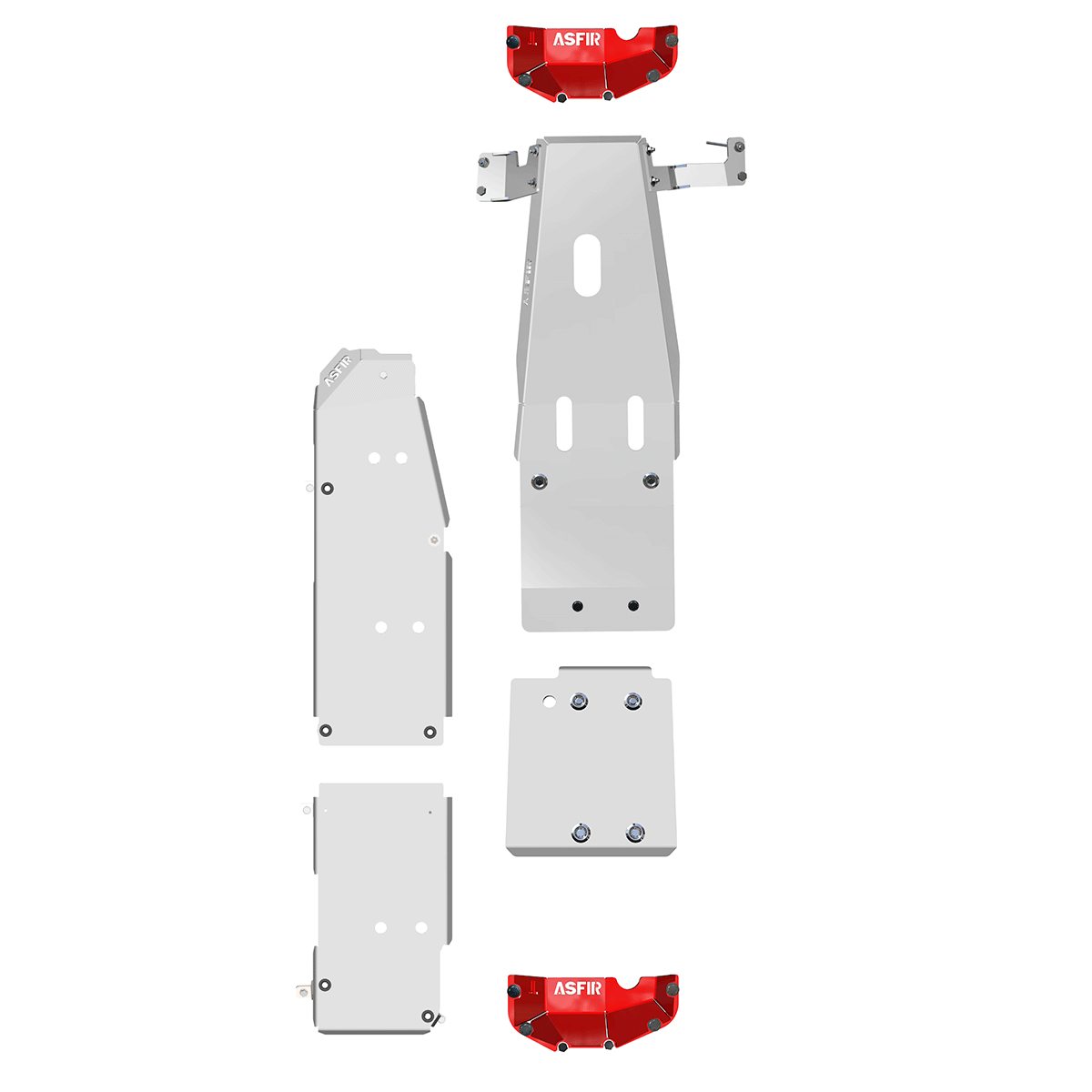
- Differential and Control Arms: These parts are low to the ground and frequently impacted by obstacles. They have a small surface area, so strength is critical and the weight difference is less significant. Steel is usually preferred for these components.
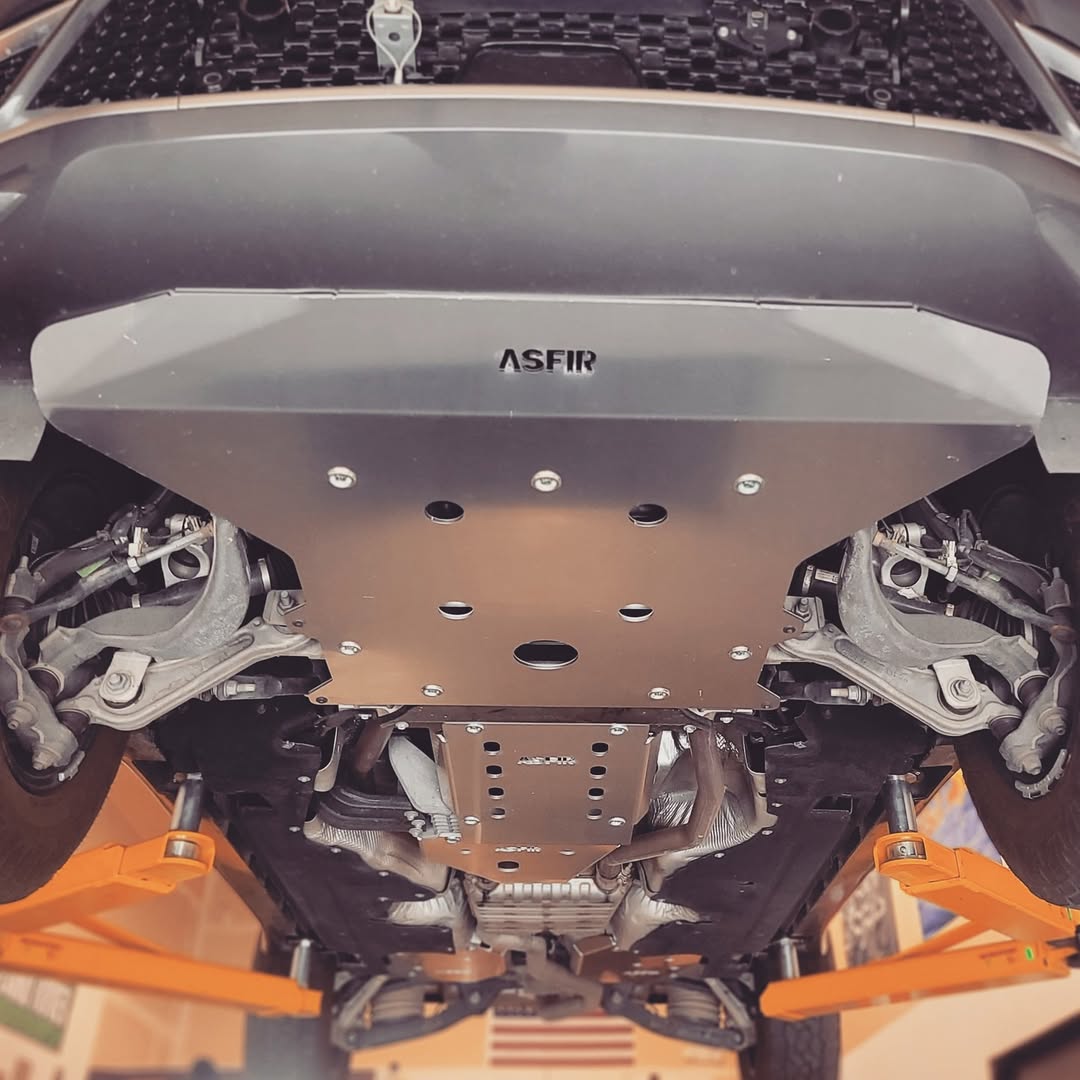
- Engine, Transfer Case, and Exhaust: These parts sit higher and require large plates for coverage. Here, the weight of the skid plate becomes a bigger factor, making the choice between steel and aluminum more impactful.

How Does Material Choice Affect Skid Plate Design and Construction?
The material selected for skid plates influences both design and manufacturing processes:
- Steel and aluminum have different strength and flexibility, requiring unique welding, cutting, and heat-treating methods.
- Sheet sizes and thicknesses differ by material, affecting how plates are fabricated.
- Some manufacturers simply replicate steel designs in aluminum, which can result in weaker plates. The best skid plates are designed specifically for their intended material from the outset.
For optimal performance, always choose skid plates engineered for their specific material.
What Is the Typical Weight Difference Between Aluminum and Steel Skid Plates?
On average, aluminum skid plates are about 50% lighter than steel.
- For example, a complete aluminum belly pan skid plate set for a Wrangler JL weighs around 100 lbs, while a steel set weighs about 200 lbs.
- This weight difference is significant—almost 10% of a Wrangler's usable payload (roughly 1000-1200 lbs).
The extra weight of steel affects:
- Installation: Heavier plates are harder to lift and position, making DIY installation more challenging.
- Fuel Economy: Increased weight reduces fuel efficiency, especially on long trips.
- Suspension Wear: Added mass puts more strain on suspension components and may require suspension upgrades.
- Recovery: Heavier vehicles are harder to recover if stuck.
How Do Steel and Aluminum Skid Plates Compare in Corrosion Resistance?
- Aluminum: Naturally forms a protective oxide layer, making it highly resistant to rust and corrosion. Ideal for wet climates, coastal regions, or areas with road salt. Aluminum maintains its appearance and integrity with minimal maintenance.
- Steel: Requires ongoing maintenance and paint touch-ups to prevent rust. In severe cases, rust can weaken steel plates, reducing their protective ability.
Is the Strongest Material Always Best for Skid Plates?
Material strength affects how skid plates handle impacts:
- Steel is less likely to dent, but it transfers more impact force directly to the vehicle's chassis. Over time, this can cause chassis or frame damage, especially if the skid plate increases overall stiffness.
- Aluminum absorbs more impact energy, reducing strain on the chassis. While aluminum plates may show more dents and scratches, this indicates they are effectively absorbing impacts.
Should You Choose Aluminum or Steel Based on Your Off-Roading Style?
For small, low components like differentials and control arms, steel is often the best choice. For larger underbody areas, consider your primary off-roading activities:
|
Activity Type |
Description |
Use Cases |
Skid Plate Material Recommendation |
|
General Off-Roading / Weekend Warrior |
Exploring forest roads, light trails, and moderate obstacles. Often doubles as a daily driver. |
Forest trails, fire roads, moderate dirt tracks, occasional mud or water crossings, camping trips. |
Aluminum for balanced protection and lower weight. |
|
Overlanding / Expeditions |
Long-distance, self-reliant travel to remote destinations, carrying gear over varied terrain. |
Multi-day or multi-week trips, dirt, gravel, sand, moderate rocks, remote camping. |
Aluminum for weight savings, fuel economy, and corrosion resistance. |
|
High-Speed Desert Racing / Baja Style |
Fast-paced driving across desert and dunes. Agility and low unsprung weight are key. |
Desert races, high-speed runs. |
Aluminum for performance and impact absorption. |
|
Intense Rock Crawling |
Slow, technical navigation of rocks, steep inclines, and deep ruts. |
Technical trails, rock gardens, competitions. |
Either aluminum or steel for maximum impact protection and rigidity. |
Additional factors to consider:
- Vehicle Weight: Heavier vehicles (full-size trucks/SUVs) benefit more from aluminum to offset weight.
- Climate: In humid, rainy, or salty environments, aluminum’s corrosion resistance is a major advantage.
- Maintenance: Steel requires regular inspection and touch-ups to prevent rust.
- DIY Installation: Aluminum is easier to handle and install without professional equipment.
Summary: Aluminum Skid Plates Are the Best Choice for Most Off-Roaders in 2026
When choosing between steel and aluminum skid plates, consider the protected component, material properties, design, weight, corrosion resistance, and your driving style.
For nearly all off-road applications in 2026, aluminum skid plates offer the best combination of protection, light weight, corrosion resistance, and energy absorption. Steel skid plates are still useful for small, low components or extreme rock crawling in dry climates.
Frequently Asked Questions
Are aluminum skid plates strong enough for serious off-roading?
Yes, high-quality aluminum skid plates designed for off-road use provide excellent protection for most applications. They absorb impact energy and are less likely to rust, making them suitable for a wide range of off-road activities.
Do steel skid plates rust easily?
Steel skid plates are prone to rust, especially in wet or salty environments. Regular maintenance and paint touch-ups are required to prevent corrosion and maintain strength.
How much weight can I save by choosing aluminum over steel skid plates?
On average, aluminum skid plates are about 50% lighter than steel. For example, a full set for a Wrangler JL can save around 100 lbs compared to steel, significantly reducing strain on your vehicle.
Is it harder to install steel skid plates compared to aluminum?
Yes, steel skid plates are heavier and more difficult to handle, making DIY installation more challenging. Aluminum plates are much easier to lift and position, especially for solo installers.
Should I mix steel and aluminum skid plates on the same vehicle?
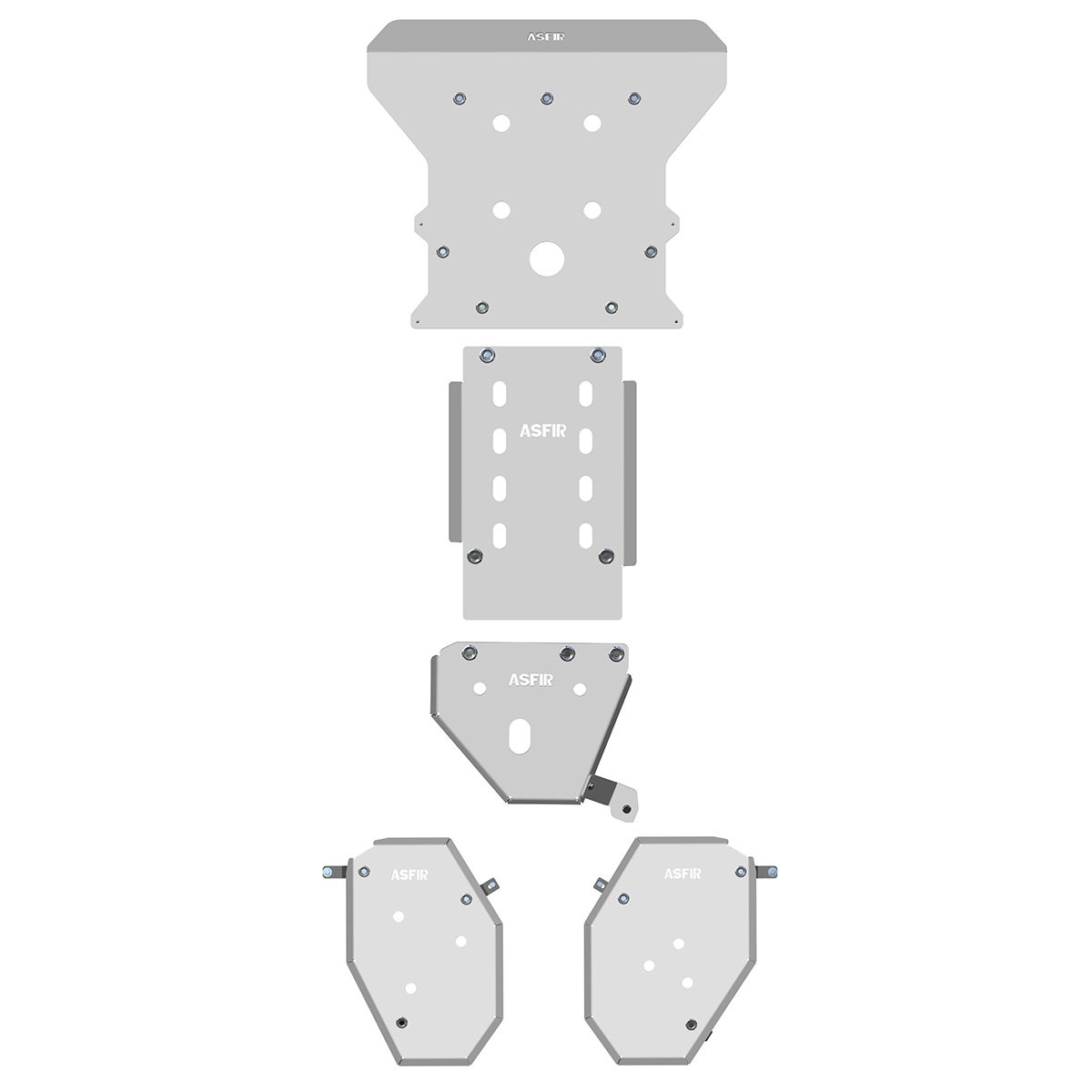
It's common to use steel for small, low components (like differentials) and aluminum for larger underbody plates. This combination balances strength, weight, and protection based on component needs.