The Myth of Plastic Skid Plates: Why They Won't Work for Your Vehicle
Understanding Skid Plates
What Are Skid Plates?
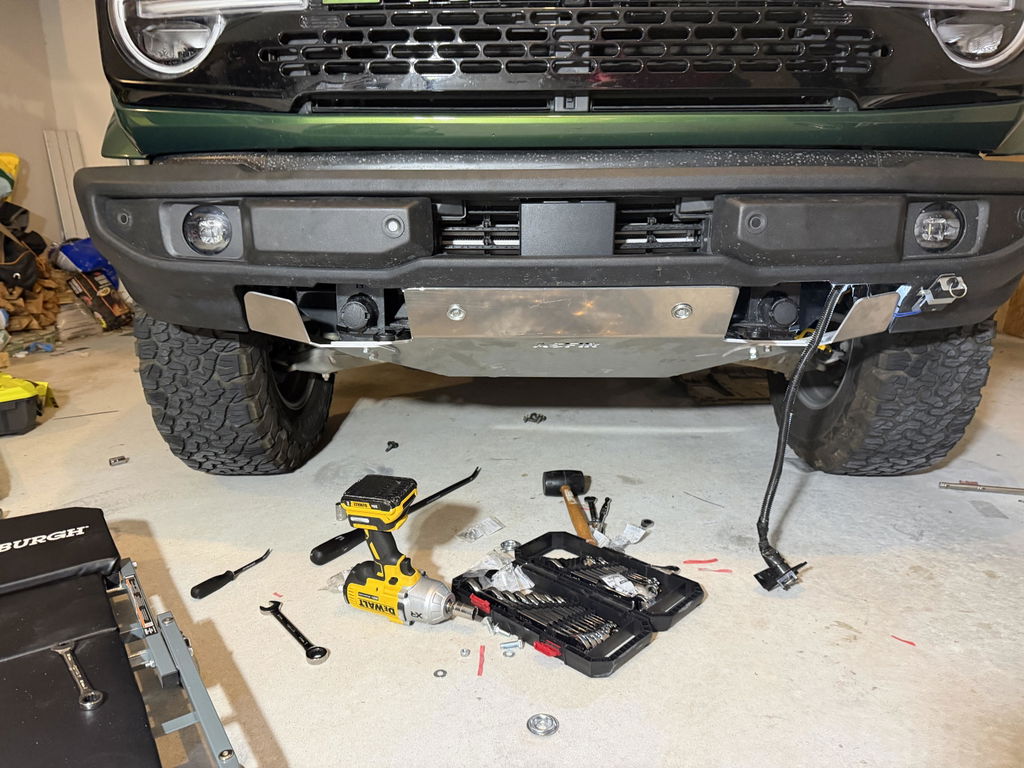
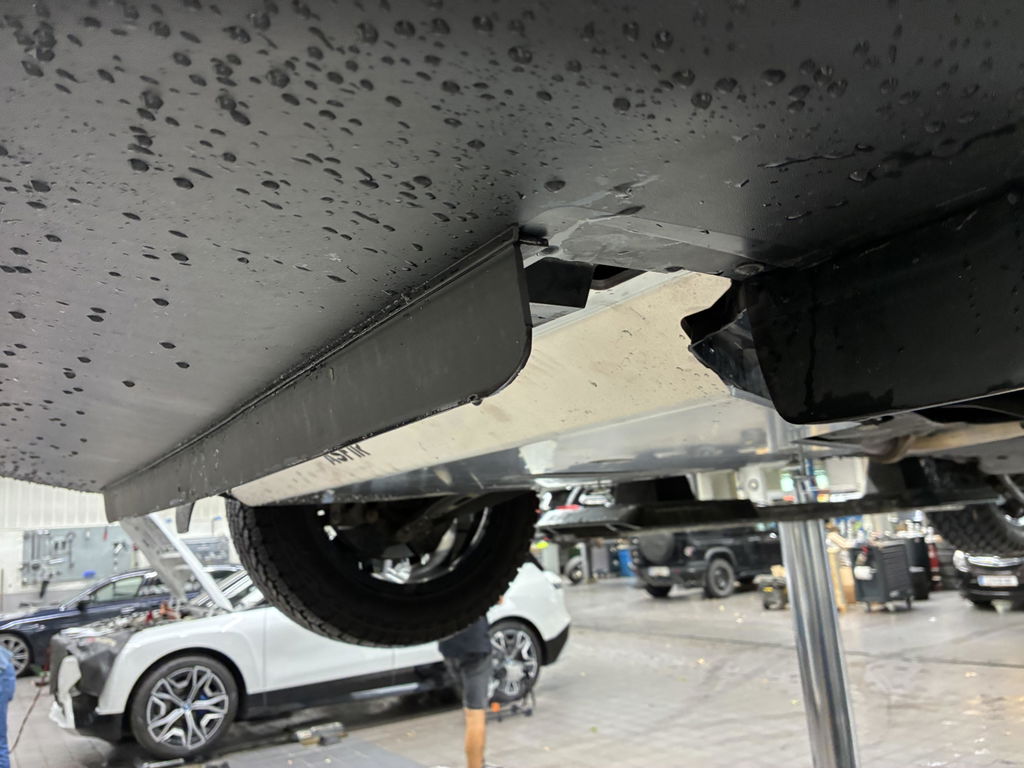
Skid plates are protective shields mounted to the underside of your vehicle. Their main purpose is to guard critical components—such as the oil pan, transmission, and fuel tank—from damage caused by rocks, debris, and rough terrain.
Skid plates are available in several materials, including steel, aluminum, and plastic. For a detailed overview, see this article on what is a skid plate.
Why Are Skid Plates Important?
- They prevent costly repairs by shielding vital vehicle parts.
- They help ensure your vehicle’s longevity, especially during off-road adventures.
- They allow you to drive confidently over challenging terrain.
Reasons to Add Skid Plates
- Protects against rocks, dirt, and other debris.
- Reduces the risk of underbody damage during off-roading or on rugged roads.
- Helps maintain the value and reliability of your vehicle.

The Rise of Plastic Skid Plates
Why Are Plastic Skid Plates Popular?
- Lower upfront cost compared to metal options.
- Lighter weight, which can appeal to some drivers.
Common Misconceptions About Plastic Skid Plates
- Many believe plastic skid plates can withstand the same impacts as metal plates.
- Some manufacturers market plastic skid plates as high-quality, low-cost alternatives to metal, which can be misleading.
The Reality: Limitations of Plastic Skid Plates
Durability Concerns
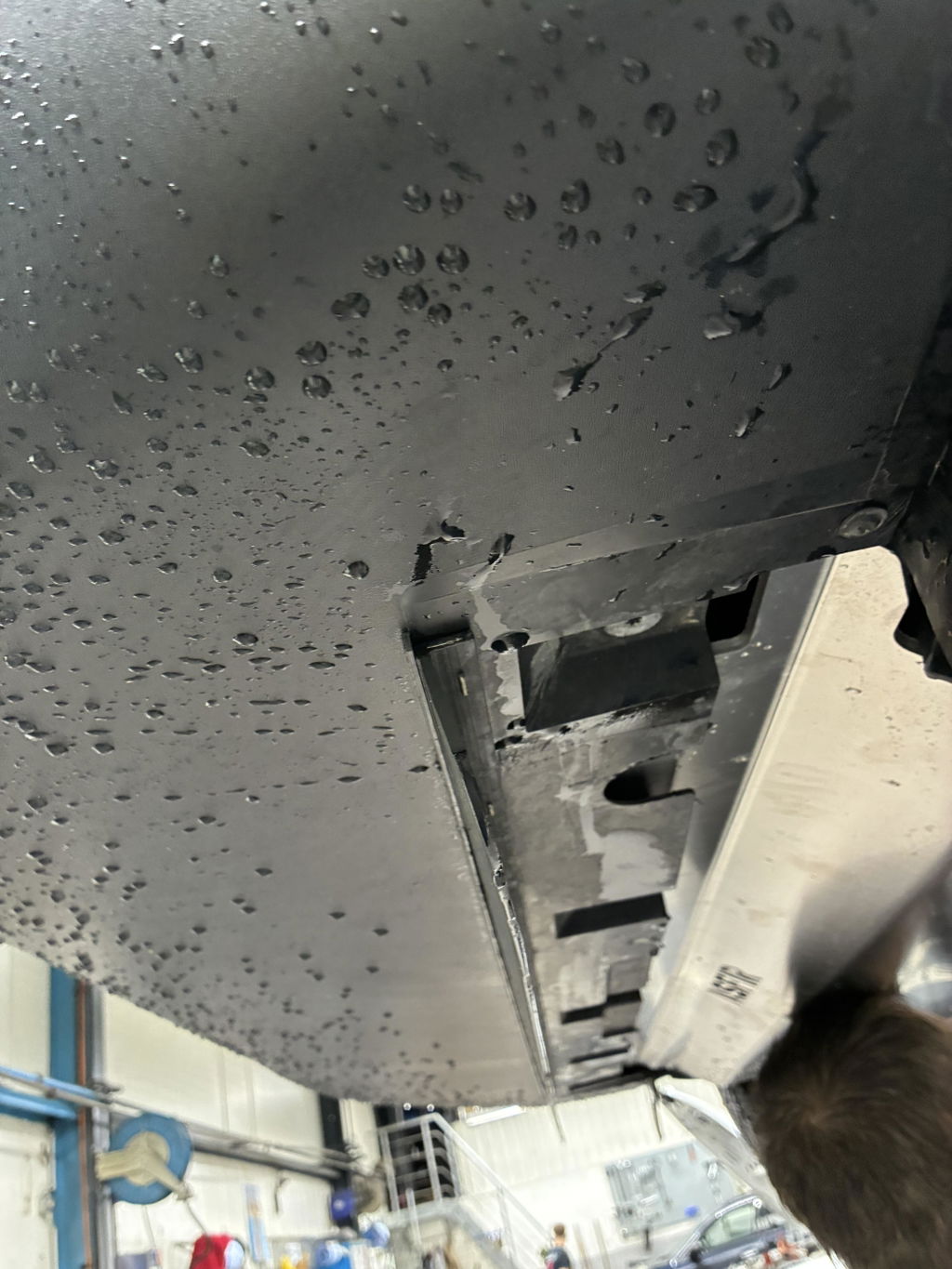
Plastic skid plates, regardless of design, do not have the strength of steel or aluminum. Under heavy impacts, they are prone to cracking, warping, or wearing out much faster than metal alternatives.
Limited Impact Resistance
Off-road conditions often expose your vehicle’s underside to sharp rocks, stumps, and other hazards. Metal skid plates can absorb and deflect these impacts, but plastic plates are not engineered for such abuse and can fail when you need them most.
Heat Resistance Issues
Plastic skid plates do not dissipate heat effectively. Under prolonged exposure to high temperatures, they can melt or deform, potentially leading to engine overheating. In contrast, metal skid plates help manage heat and maintain safe operating conditions.
Why Metal Skid Plates Outperform Plastic
Superior Strength and Durability
- Metal skid plates—made from steel, aluminum, or both—offer far greater resistance to impacts and deformation.
- They provide consistent protection in both on-road and off-road environments.
Better Heat Dissipation
Metal plates help prevent overheating by dispersing heat away from the engine and transmission, which is critical during intense driving or in hot climates.
Cost Effectiveness Over Time
- Metal skid plates may have a higher initial cost but last significantly longer than plastic options.
- They require less frequent replacement, saving you money in the long run.
Our Top Recommendation: Aluminum Skid Plates
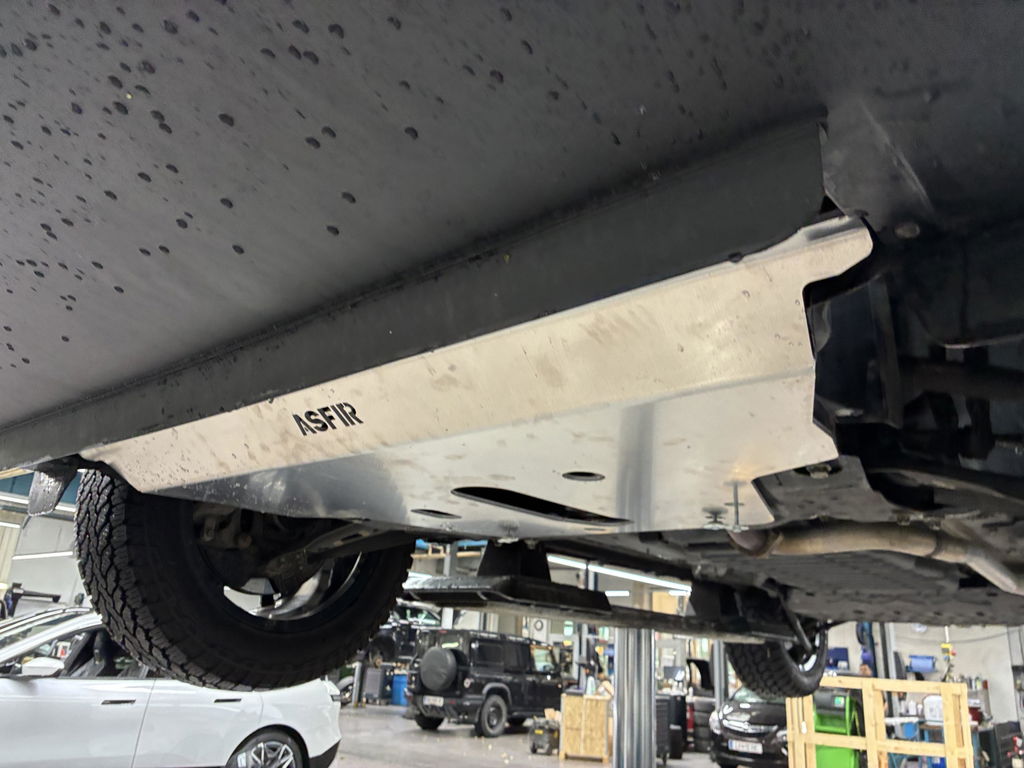
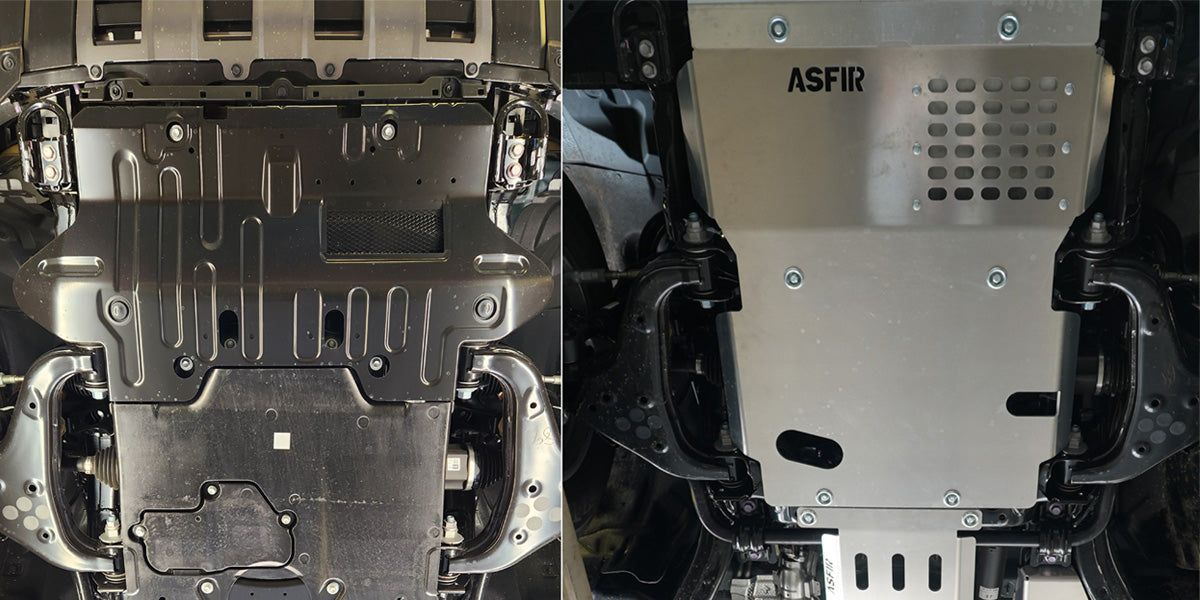
We recommend aluminum skid plates for most drivers. Aluminum combines the durability of metal with a lighter weight than steel, making it ideal for both off-road and daily use. Aluminum also dissipates heat efficiently and is available at a reasonable price point.

Choosing the Right Protection for Your Vehicle in 2026
For reliable underbody protection, avoid plastic skid plates despite their low cost and weight. They simply do not deliver the level of protection most vehicles require, especially for off-roading. Instead, choose aluminum skid plates for their balance of strength, weight, and heat management.
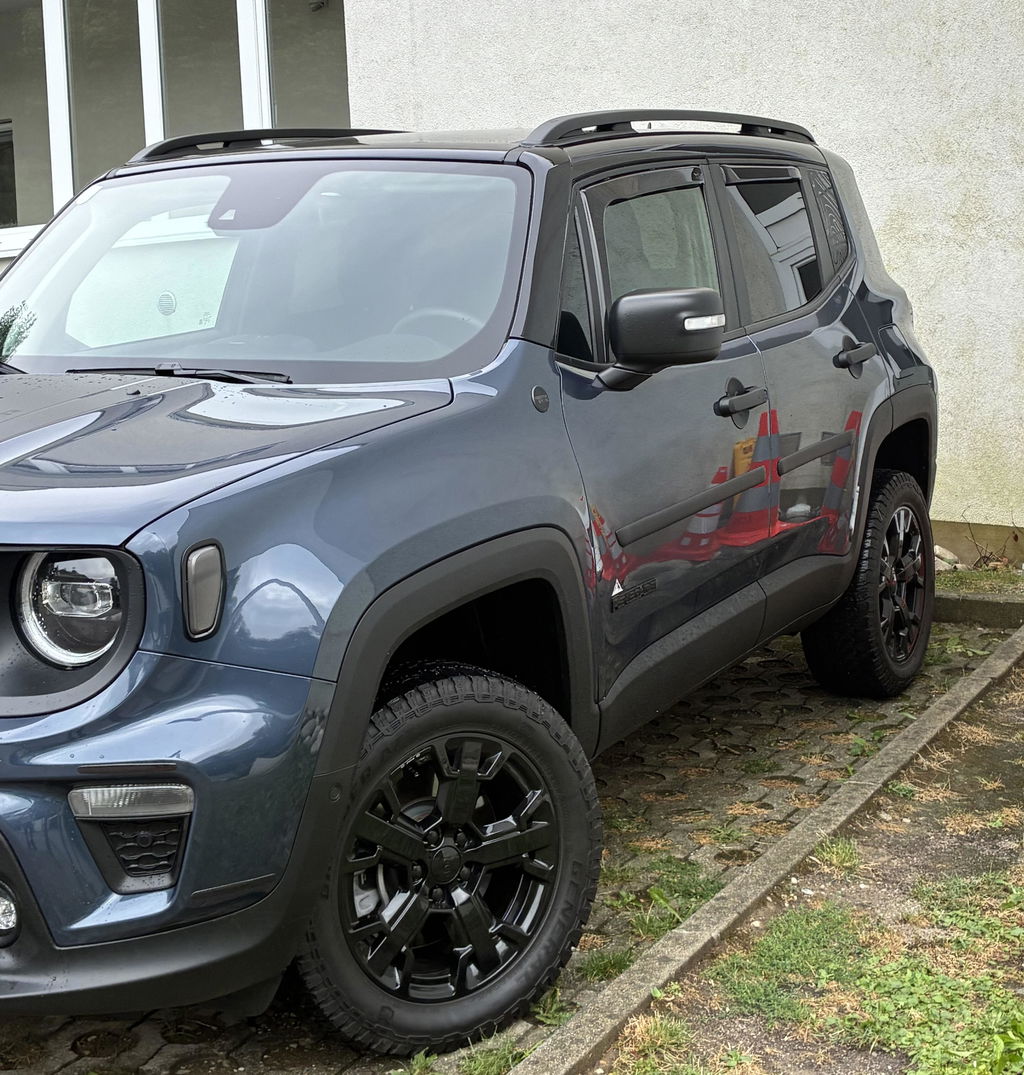
At ASFIR 4x4, we offer high-quality aluminum skid plates for trucks and SUVs, designed for tough off-road conditions. Our inventory covers a wide range of makes and models, ensuring you can find the right fit for your vehicle.
Frequently Asked Questions
Are all metal skid plates the same?
No. Metal skid plates vary by material, thickness, and design. Steel skid plates are heavier and offer maximum protection, while aluminum skid plates are lighter and preferred for performance and everyday use.
Can I use plastic skid plates for light off-roading?
It is not recommended. Even for light off-roading, plastic skid plates do not provide adequate protection from impacts.
How often should I inspect my skid plates?
Inspect your skid plates before and after every off-road trip, and during each major maintenance visit. Look for cracks, deformation, or excessive wear.
Can I install skid plates myself?
Yes. Our skid plates are designed for DIY installation, using OEM bolt points—no drilling, cutting, or welding required.
Do skid plates affect vehicle performance?
Most skid plates do not impact vehicle performance. The exception is very thick steel plates, which may add noticeable weight.