Off-Road Tire Pressure: Why It Matters
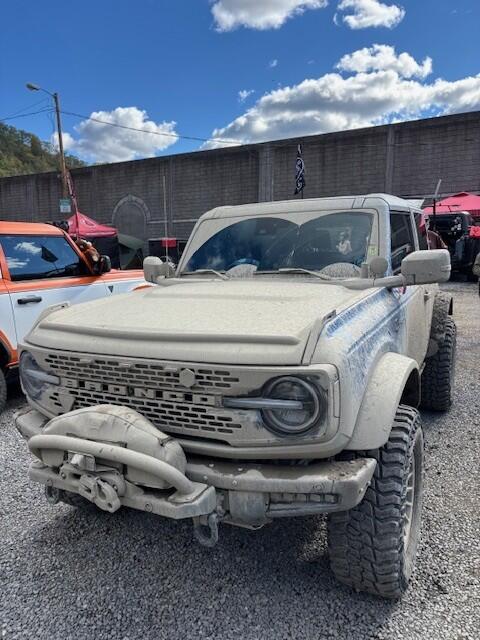
Driving off-road is very different from driving on paved roads. Uneven terrain, rocks, bumps, hills, grass, and other obstacles require your 4x4 vehicle to have the right tires and the correct tire pressure for optimal traction and safety.
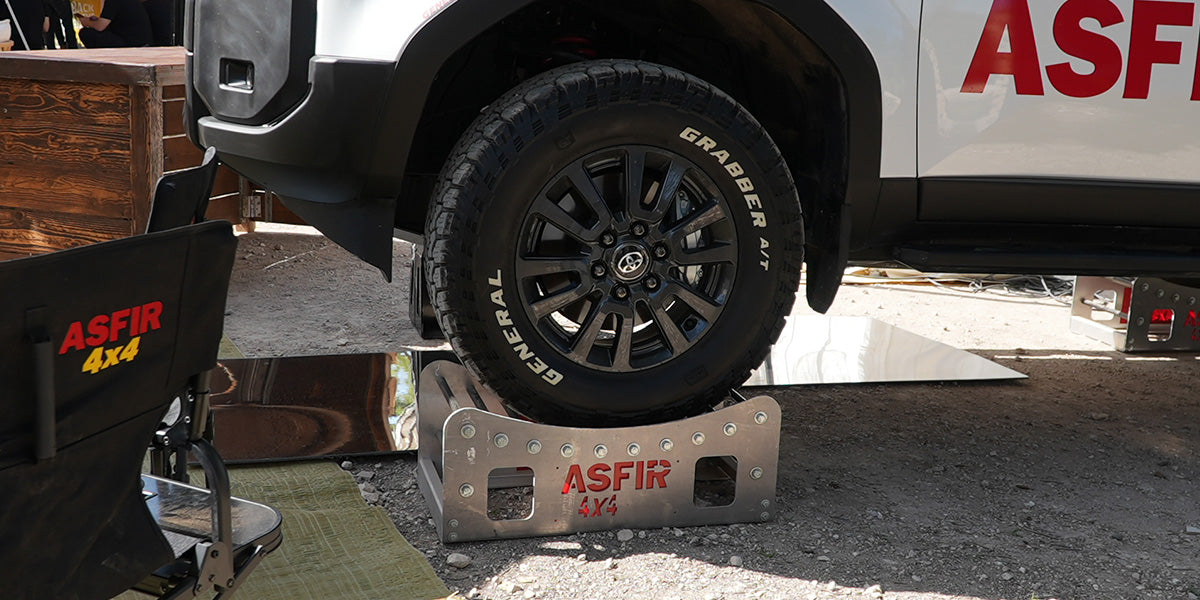
Best Tires for Off-Roading
- Radial Mud and Snow (MS) Tires – Designed for improved traction in muddy and snowy conditions.
- Radial All-Terrain (AT) Tires – Suitable for a wide range of off-road surfaces.
These tires help your vehicle grip rough terrain. However, adjusting tire pressure is just as important as tire selection for safe off-road driving.

Recommended Tire Pressure for Off-Roading in 2026
On paved roads, always follow your vehicle manufacturer’s recommended PSI, typically between 30 and 40 PSI. For off-road conditions, lower tire pressure is needed to increase traction. The ideal PSI depends on the terrain type.
Standard Off-Road Tire Pressure by Terrain
| Off-Road Terrain Type | Standard PSI Recommendation |
| Deep Mud or Sand | 22–24 PSI |
| Rocky Terrain | 22–26 PSI |
| Loose Desert Sand | 22–26 PSI |
| Deep Snow Surfaces | 26–28 PSI |
| Marshy or Boggy Conditions | 12–15 PSI |
These recommendations help maximize traction for most off-road scenarios. If you encounter especially challenging conditions, you may need to lower the pressure further for a short time.
Emergency Off-Road Tire Pressure
For severe off-road emergencies where traction is still poor, use these lower PSI values temporarily:
| Off-Road Terrain Type | Emergency PSI Recommendation |
| Deep Mud or Sand | 10–12 PSI |
| Rocky Terrain | 20–25 PSI |
| Loose Desert Sand | 8–10 PSI |
| Deep Snow Surfaces | 8–10 PSI |
| Marshy or Boggy Conditions | 8–10 PSI |
Important: Only use emergency PSI for short periods. Prolonged driving at very low PSI can cause tires to unseat from rims and go flat. As soon as you’re out of difficult terrain, reinflate your tires to the standard off-road or on-road PSI.
Portable Air Compressors for Off-Roading
Carry a portable air compressor in your 4x4 vehicle so you can adjust tire pressure anywhere. Modern compressors often plug into the 12V power socket in your vehicle and let you inflate or deflate tires without visiting a gas station.

Why Deflate Tires for Off-Road Driving?
Lowering tire pressure in the field allows the tire tread to spread and conform to uneven surfaces. Softer tires grip rocks, gravel, snow, sand, and dirt more effectively, giving you better control and reducing the risk of getting stuck.
- Improves traction and control on rough terrain
- Reduces the risk of tire punctures and flats
- Helps prevent accidents caused by loss of control
Keeping tires above 30 PSI off-road makes them hard and less able to grip the terrain, increasing the chance of slipping, sliding, or punctures. Always bring a spare tire and ensure you have the tools to adjust tire pressure as needed, especially since cell service can be unreliable in remote areas.
Tire Pressure for Dirt Roads

Dirt roads, while technically surfaced, are often rough and covered with rocks, dirt, sand, and debris. These conditions can wear down your tires quickly if you use standard on-road PSI.
Recommended tire pressure for dirt roads: 24–28 PSI. This slight reduction from the manufacturer’s recommendation balances durability and traction, helping your tires handle uneven dirt surfaces without excessive wear.
Tips for New Off-Road Drivers
- Start on easier terrains like sand and dirt before tackling rocky or snowy trails.
- Learn how your vehicle responds to different tire pressures.
- Always reinflate tires to the manufacturer’s recommended PSI before returning to paved roads to ensure safety and proper handling.
Main Takeaway
Deflate your tires for off-road driving and reinflate them for on-road travel or when terrain improves.
Frequently Asked Questions
What is the ideal tire pressure for off-roading?
The ideal off-road tire pressure depends on terrain. Generally, use 22–26 PSI for most off-road conditions. For deep mud, sand, or marshy areas, you may need to go as low as 12–15 PSI. Only use lower pressures in emergencies and reinflate as soon as possible.
Why do off-roaders lower tire pressure?
Lowering tire pressure increases the tire’s contact patch, allowing it to grip uneven surfaces better. This improves traction, reduces the risk of getting stuck, and helps prevent tire damage.
Can I drive on the highway with deflated tires after off-roading?
No. Always reinflate your tires to the manufacturer’s recommended PSI before driving on highways or paved roads. Low tire pressure on pavement can cause poor handling, increased tire wear, and a higher risk of accidents.
How do I adjust tire pressure in the field?
Carry a portable air compressor that connects to your vehicle’s 12V socket. This lets you safely inflate or deflate your tires as needed while off-roading, without needing a gas station.
What tire pressure should I use on dirt roads?
For dirt roads, 24–28 PSI is recommended. This range provides a good balance between traction and tire durability on uneven but not extreme surfaces.