Everything You Need to Know About Bash Plates
Protecting Your Vehicle Off-Road with Bash Plates
Off-roading exposes your vehicle’s undercarriage to rocks, debris, and uneven terrain. One of the best ways to protect these vulnerable components is by installing a bash plate. Bash plates can prevent costly damage and reduce the risk of getting stranded in rough conditions. This guide covers the essentials of bash plates for 2026 and beyond.
What is a Bash Plate?
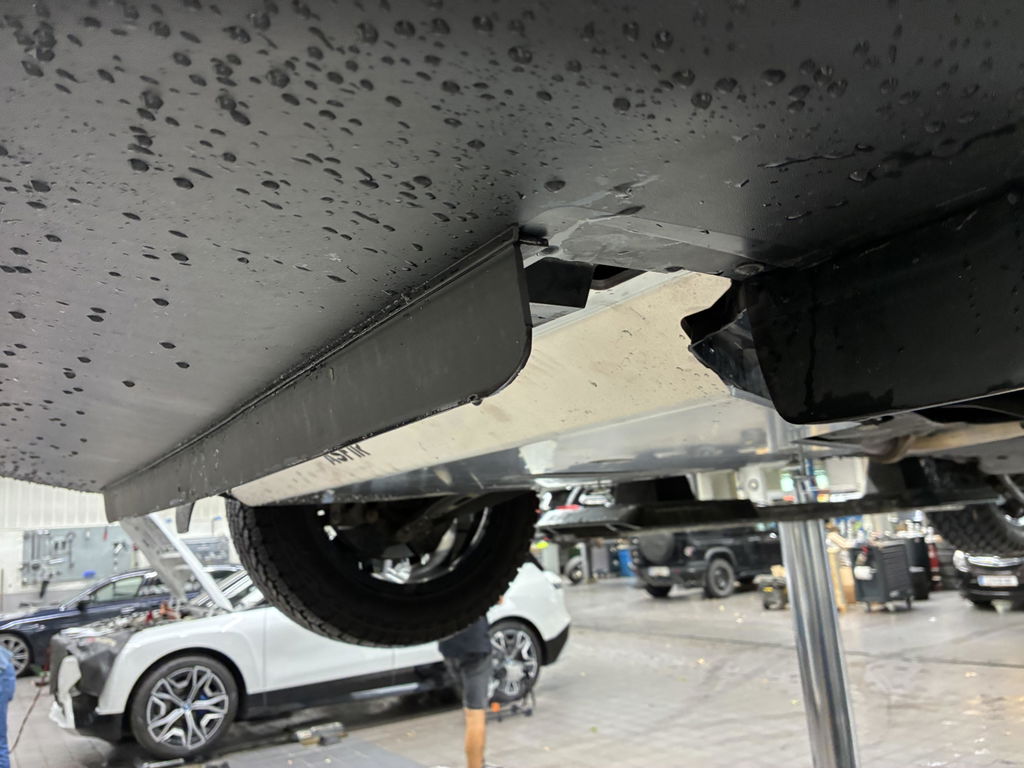
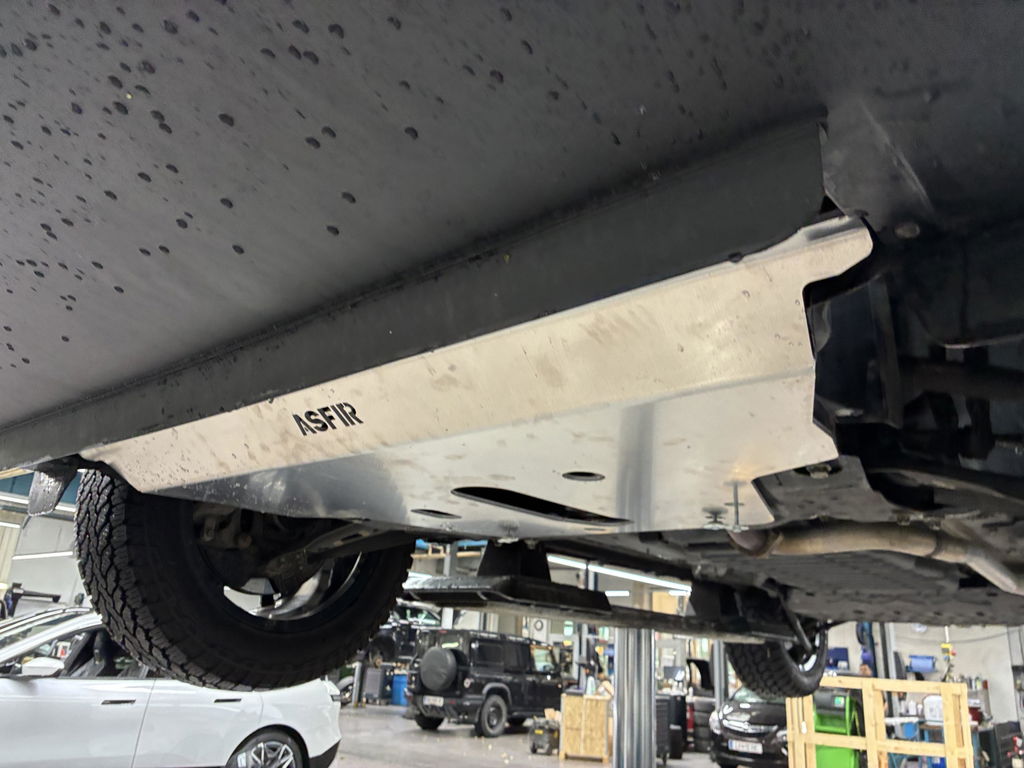
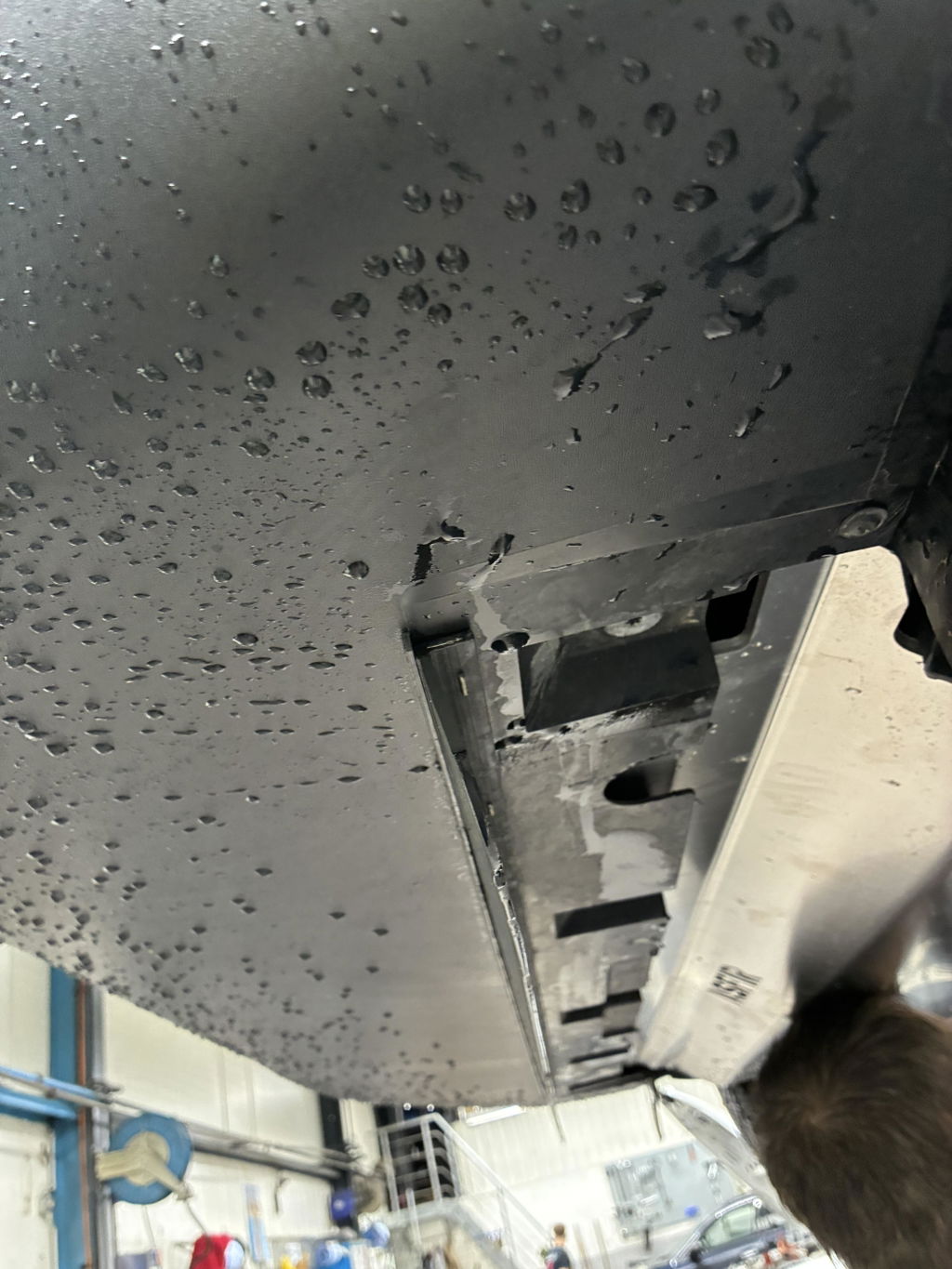
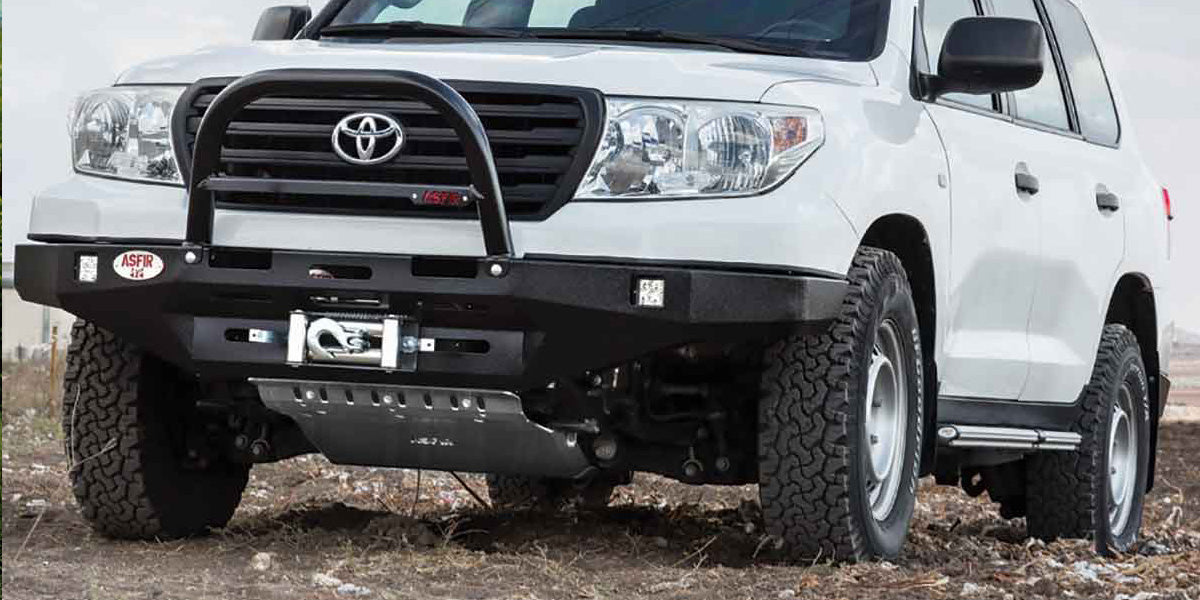
A bash plate is a tough protective shield mounted underneath your vehicle. Its main job is to guard critical parts like the engine, transmission, and fuel tank from impacts and debris encountered during off-road driving. High-quality bash plates are designed to withstand harsh conditions and various types of terrain.
Types of Bash Plates
Bash plates are available in several materials, each with unique advantages and drawbacks. The most common types are:
- Steel
- Aluminum
- High-Density Polyethylene (HDPE)

Steel Bash Plates
Steel bash plates are the most common option in North America. Their key benefit is superior durability and longevity. However, steel is heavy, which can negatively impact fuel efficiency and vehicle handling. Steel plates are also prone to corrosion and require protective coatings.
Aluminum Bash Plates
Aluminum bash plates are popular due to their lighter weight, which helps maintain better handling and fuel economy. Aluminum is naturally corrosion-resistant and low-maintenance. However, it is not as strong as steel, so it may not be suitable for extreme off-roading.
HDPE Bash Plates
HDPE (High-Density Polyethylene) bash plates are flexible and absorb impacts well. They are lightweight, preserving your vehicle’s performance. The downside is that HDPE plates are the least durable, making them less ideal for harsh or rocky terrain.
How to Choose the Right Bash Plate
Consider the following factors when selecting a bash plate:
- Terrain: For rocky or rugged terrain, steel plates offer maximum protection. For lighter trails, aluminum or HDPE may suffice.
- Vehicle Type: The compatibility of bash plates varies by vehicle. Steel plates are often preferred for trucks, while aluminum suits many SUVs. Always check fitment for your specific make and model.
- Budget: Steel is typically the most expensive due to its durability. Aluminum and HDPE are more budget-friendly alternatives.
Installing Bash Plates
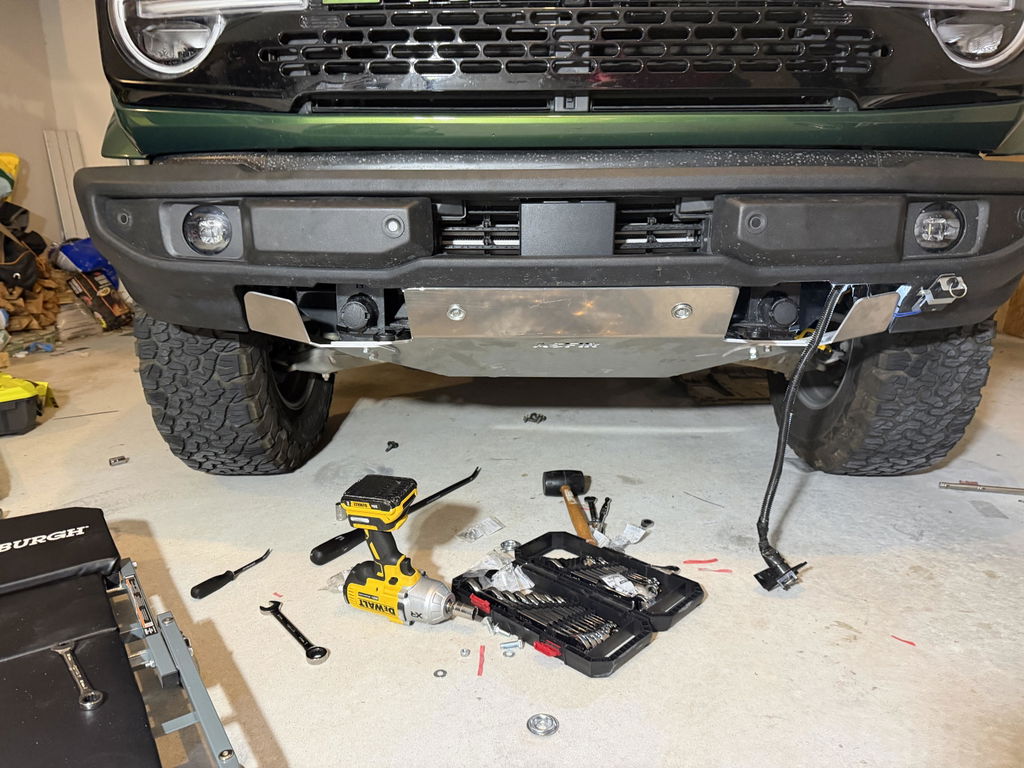
Most bash plates are straightforward to install if you follow the manufacturer’s instructions. Proper installation ensures optimal protection and fit.
Watch an installation example:
Tools and Equipment Needed
- Jack and Jack Stands: To lift and secure the vehicle.
- Socket Set: For removing and tightening bolts.
- Torque Wrench: To tighten bolts to manufacturer specifications.
- Protective Gear: Use safety glasses and gloves during installation.
Step-by-Step Installation Guide
- Prepare the Vehicle: Park on a level surface and lift the vehicle using jack stands.
- Remove Existing Shields: Take off any factory-installed shields if present.
- Position the Bash Plate: Align the plate with the undercarriage and bolt holes.
- Secure the Bash Plate: Attach the plate using the provided bolts. Tighten with a torque wrench as specified by the manufacturer.
- Check Fitment: Ensure the plate is secure and does not interfere with moving parts.

Maintenance and Care Tips
- Inspection: Check the bash plate and bolts before and after each off-road trip for damage or looseness.
- Cleaning: Remove dirt and debris after off-roading to prevent rust and maintain performance. Inspect for corrosion, especially on steel plates.
- Repairs: Minor dents can be hammered out, and scratches can be treated with repair kits. Replace the bash plate if it is significantly damaged.
Summary: Bash Plate Basics
Bash plates are essential for protecting your vehicle’s undercarriage during off-road adventures. Choosing the right material and maintaining your bash plate will help keep your vehicle safe and give you confidence on any trail in 2026 and beyond.
Frequently Asked Questions
What is the purpose of a bash plate?
A bash plate protects your vehicle’s undercarriage from damage caused by rocks, debris, and rough terrain during off-road driving.
Which material is best for a bash plate?
Aluminum is often considered the best material for most off-road vehicles due to its balance of strength, light weight, and corrosion resistance. However, steel offers maximum durability, and HDPE is suitable for lighter use.
Can I install a bash plate myself?
Yes, you can install a bash plate yourself if you have the proper tools and can safely lift your vehicle. Always follow the manufacturer’s instructions for best results.