Catalytic converters play a crucial role in reducing vehicle emissions and protecting the environment. However, because they contain precious metals, these parts are frequently targeted by thieves who sell them to scrap metal dealers for profit.
This article outlines effective strategies to protect your vehicle from catalytic converter theft, steps to take if yours is stolen, and answers to common questions about this growing problem in 2026.
 Catalytic converter on a Toyota Prius. Waiting to be stolen
Why Are Catalytic Converters Targeted by Thieves?
Catalytic converters are part of a car’s exhaust system, containing valuable metals like rhodium, platinum, and palladium. These metals act as catalysts to convert harmful exhaust gases into less harmful substances such as nitrogen, carbon dioxide, and water.
Unfortunately, the value of these metals makes catalytic converters attractive to criminals. The main reasons thieves target them are:
- Quick and Easy Removal: Experienced thieves can cut off a catalytic converter in just a few minutes using basic tools. In many cases, no jack is needed—just someone slim enough to slide under the vehicle.
- High Scrap Value: The scrap value of a catalytic converter can range from $100 to $500, with some models (such as those from hybrid vehicles) fetching up to $1,000 or more.
Thieves often target multiple vehicles in a single night, maximizing their profits by stealing dozens of converters.
Which Vehicles Are Most at Risk?
While almost all gasoline-powered vehicles manufactured after 1975 have catalytic converters, certain models are more likely to be targeted due to the amount of precious metals in their converters or their ease of access. These include:
- Ford F-250 and F-350
- Toyota Land Cruiser
- Chevrolet Silverado
- Hybrid vehicles such as the Toyota Prius, RAV4, and Auris
The Toyota Prius, for example, contains two converters, each potentially worth up to $1,000 at a scrapyard. According to the Los Angeles Times, the Prius remains one of the most frequently targeted vehicles in the western United States. The NICB also reports that California continues to lead the nation in catalytic converter thefts as of 2026.
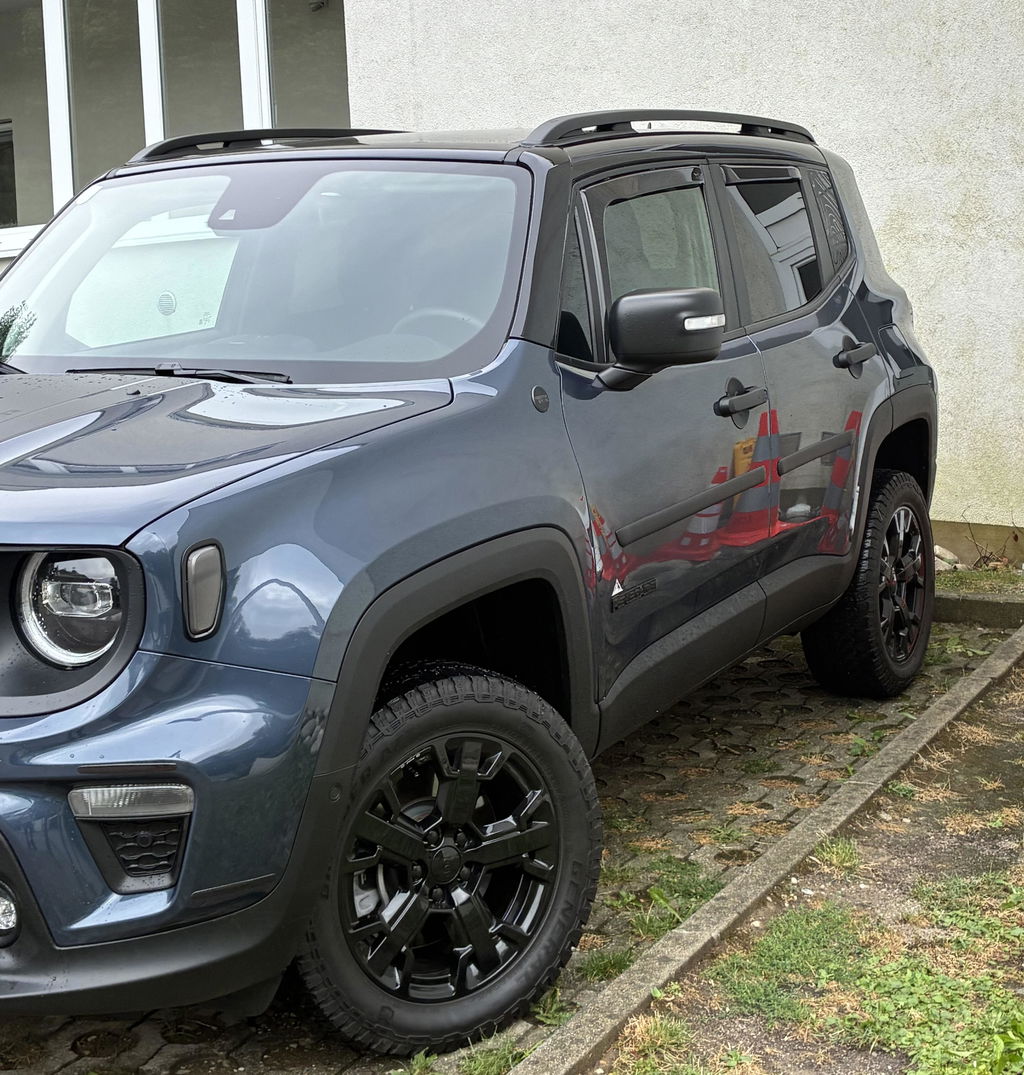
Vehicles with higher ground clearance—such as trucks, SUVs, and fleet vehicles like school buses and delivery vans—are especially vulnerable because thieves can easily access the undercarriage. The number of converters a thief can steal in one session also increases their profit potential.
 Toyota Land Cruiser. Gold on wheels for a thief
How to Protect Your Vehicle from Catalytic Converter Theft
Catalytic converter theft is a widespread issue, but you can take several steps to reduce your risk:
- Determine if Your Vehicle Is a Target: Hybrids, SUVs, and trucks are most commonly targeted. Research your vehicle’s risk and take extra precautions if it’s on the list.
- Etch Your VIN or License Plate: Mark your catalytic converter with your vehicle identification number (VIN) or license plate number. This can deter thieves and help authorities trace stolen parts.
- Park Strategically: Use a locked garage when possible. If parking outside, choose well-lit, busy areas near building entrances or security cameras. Change your parking location regularly to avoid being targeted.
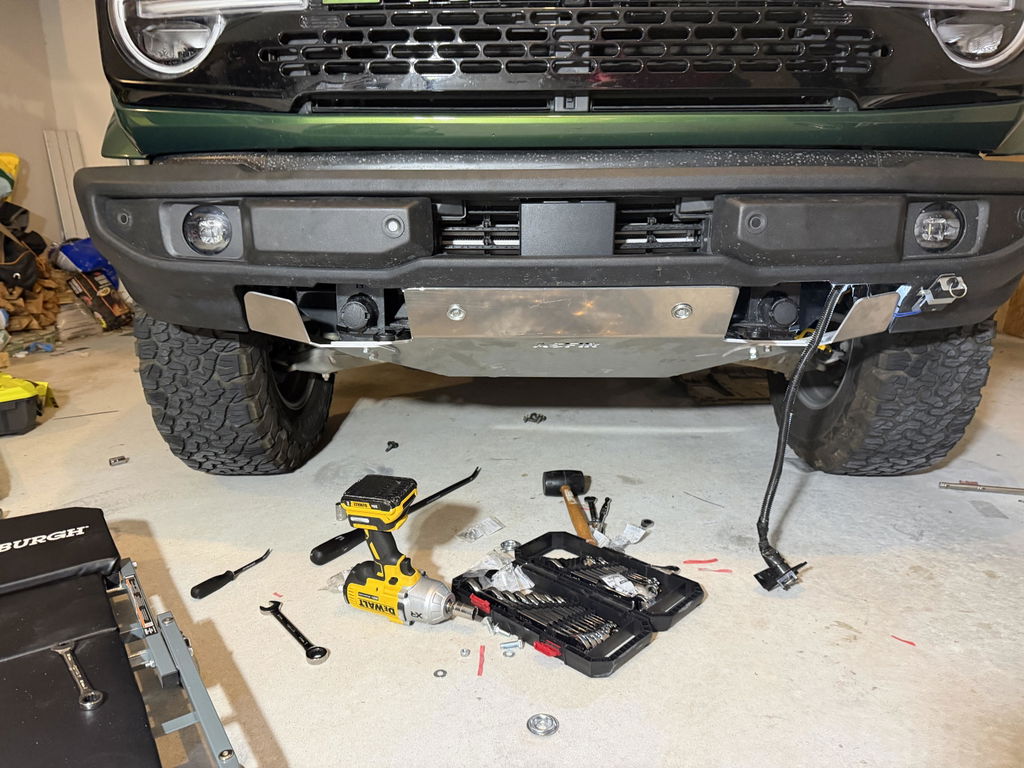
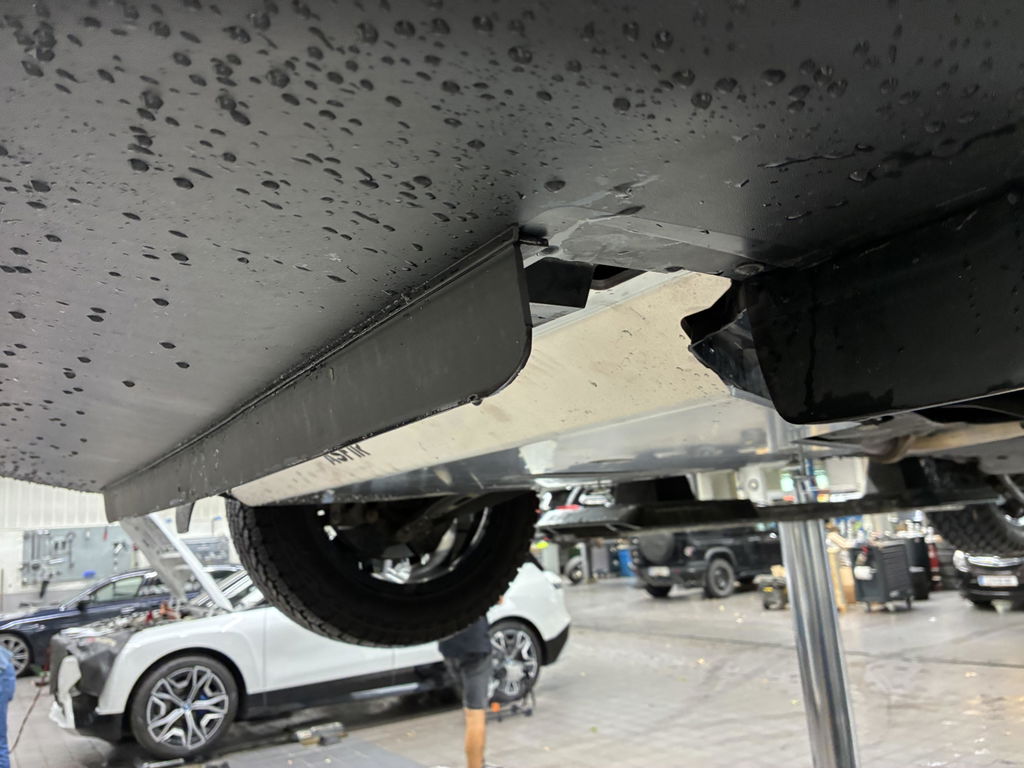
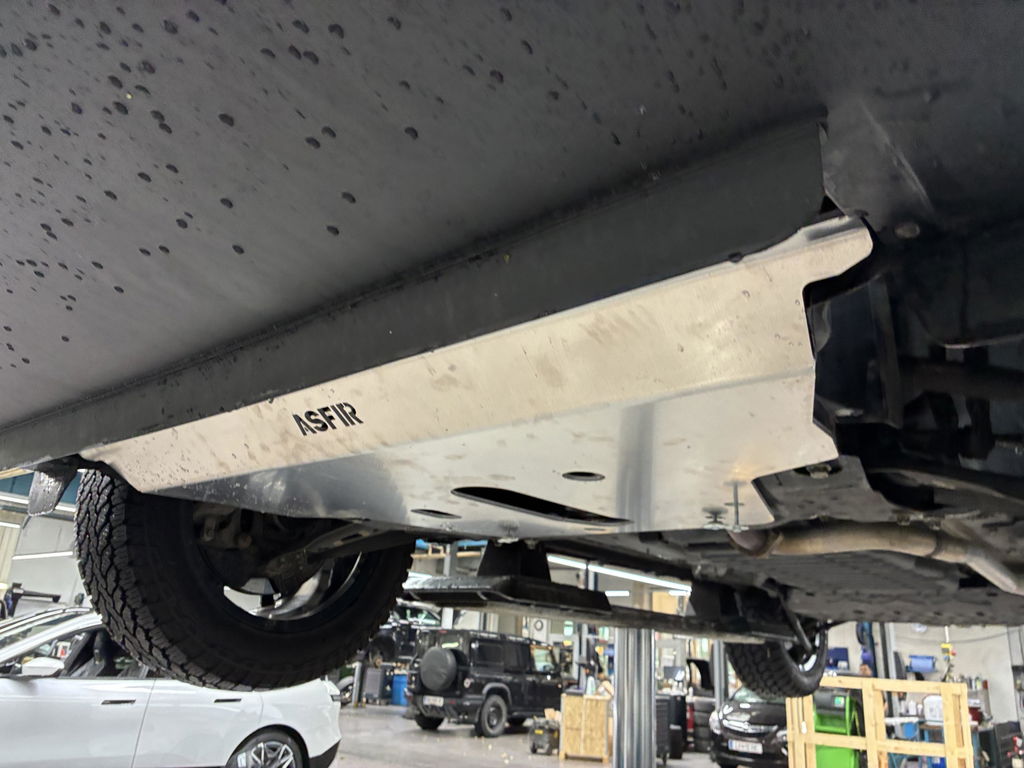
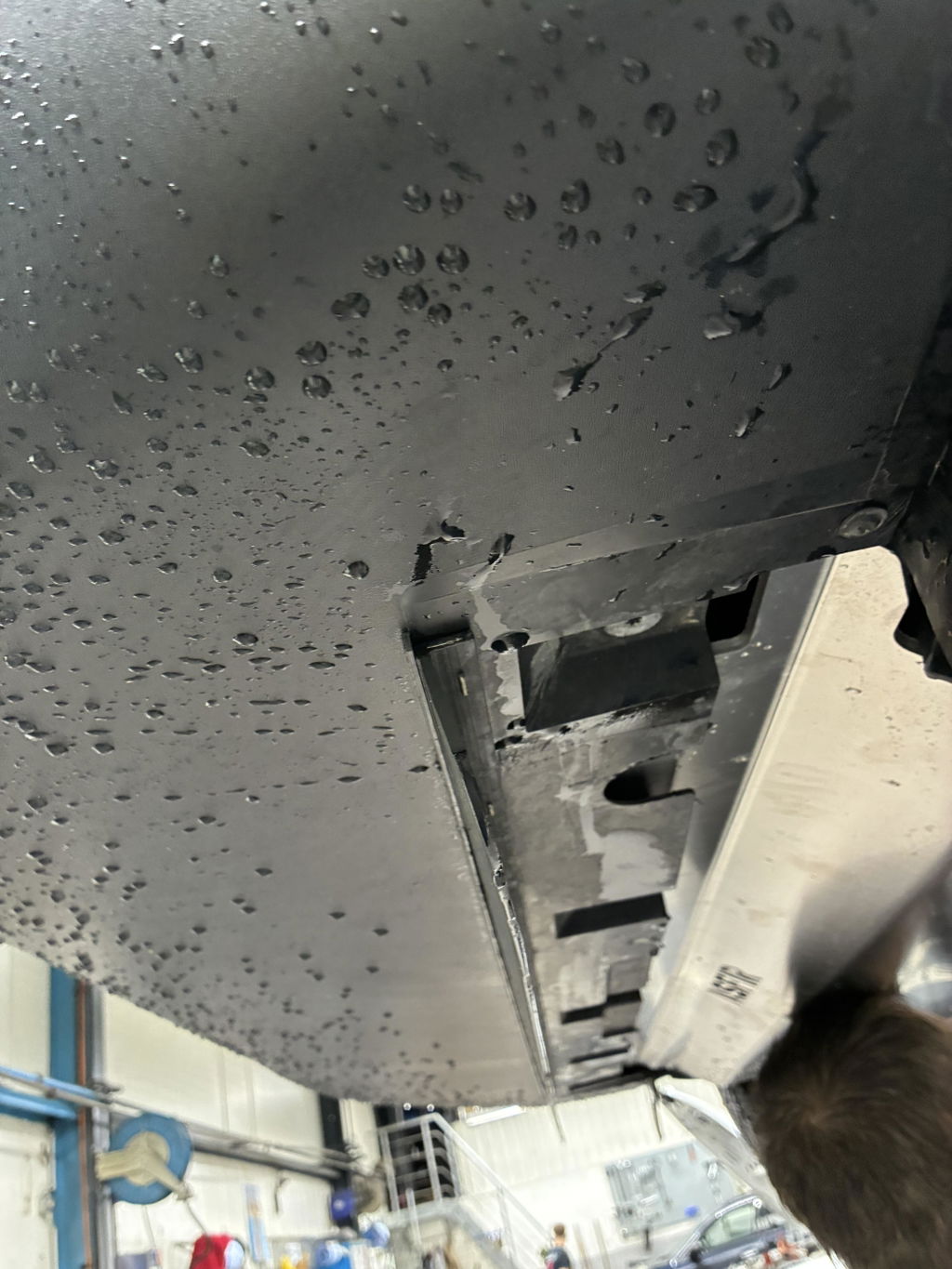
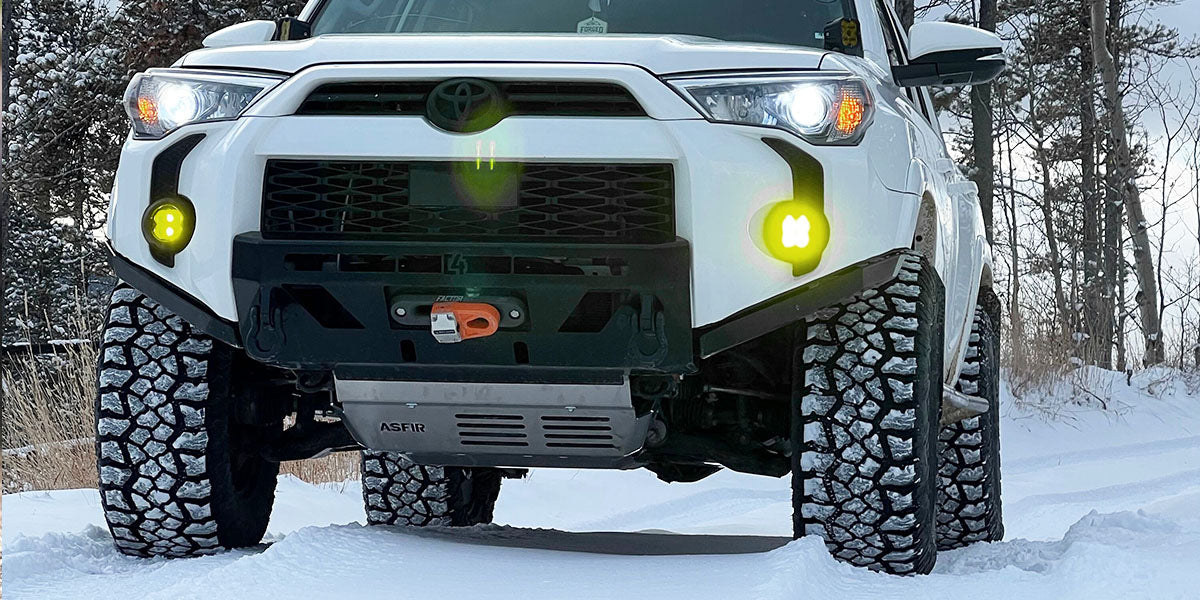
- Install a Protection Kit: Add an underbody bash plate or skid plate to cover your catalytic converter. These barriers make removal more difficult and time-consuming for thieves.
- Use Cameras and Motion-Activated Lights: Install security cameras and lights in your parking area to deter theft and record suspicious activity.
- Paint Your Catalytic Converter: Apply a bright, high-temperature paint to your converter. This makes it more noticeable and less appealing to scrap dealers.
What to Do If Your Catalytic Converter Is Stolen
If you discover your catalytic converter has been stolen, take the following steps:
- Report the Theft to Police: File a police report immediately. Law enforcement may be able to review nearby surveillance footage and will document the theft for insurance purposes.
- Contact Your Insurance Company: Notify your insurance provider to start a claim. Comprehensive coverage typically includes theft of catalytic converters.
- Visit a Mechanic: Have your vehicle towed to a repair shop. Driving without a catalytic converter can damage your engine and is illegal in many areas.
Insurance Coverage for Catalytic Converter Theft
Comprehensive auto insurance generally covers catalytic converter theft, but you’ll need to check your policy details. Claims are subject to your comprehensive deductible.
For example, if your deductible is $1,000 and the replacement cost is $1,500, your insurer will pay $500 and you’ll be responsible for the remaining $1,000. Without comprehensive coverage, you must pay the full replacement cost yourself.

Asfir 4x4 Transmission skid plate. Helps to reduce the chances
Frequently Asked Questions
How can I tell if my catalytic converter has been stolen?
Your vehicle will be much louder than usual when started, and you may notice a sputtering or roaring sound. You may also see visible damage or missing parts under your car.
Are certain vehicles more likely to have their catalytic converters stolen?
Yes. Hybrids (like the Toyota Prius), trucks, SUVs, and vehicles with high ground clearance are most often targeted because their converters are more valuable or easier to access.
Will my insurance cover catalytic converter theft?
If you have comprehensive coverage, catalytic converter theft is typically covered, subject to your deductible. Check your policy details or contact your insurance agent for specifics.
How much does it cost to replace a stolen catalytic converter?
Replacement costs can range from $1,000 to $3,000 or more, depending on your vehicle make and model.
What can I do to make my catalytic converter less attractive to thieves?
Etch your VIN or license plate number onto the converter, paint it with a bright color, install a skid plate, and park in secure, well-lit areas. These steps can deter thieves and make resale more difficult.
Conclusion
Protecting your vehicle from catalytic converter theft in 2026 requires proactive measures. By following the strategies outlined above—such as parking smartly, marking your converter, and installing protective devices—you can significantly reduce your risk. However, even with precautions, theft can still occur, so remain vigilant and review your insurance coverage regularly.