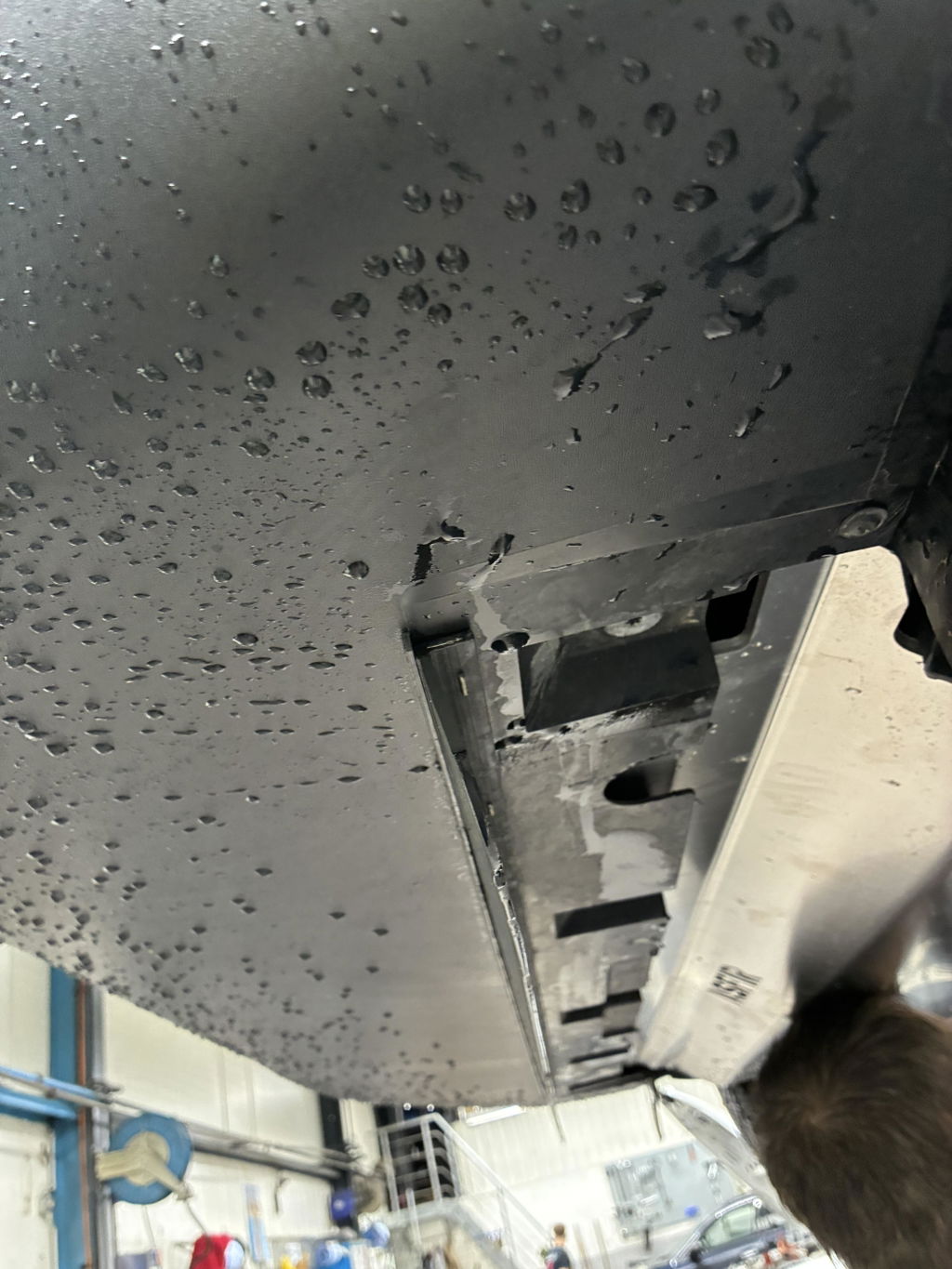
This FAQ covers the advantages of steel versus aluminum rock sliders for off-road enthusiasts driving Jeep, Toyota, Land Rover, Nissan, Dacia, and Suzuki vehicles. Whether you are building a dedicated rock crawler or upgrading a daily driver for weekend trails, this guide breaks down durability, weight, maintenance, and installation to help you choose the right trail-ready protection. For examples of our rugged, field-proven underbody gear, check out the Suzuki Jimny Front Axle Steel Skid Plate.
Material Strength & Durability
Steel vs aluminum rock sliders — which material is more durable for off-roading?
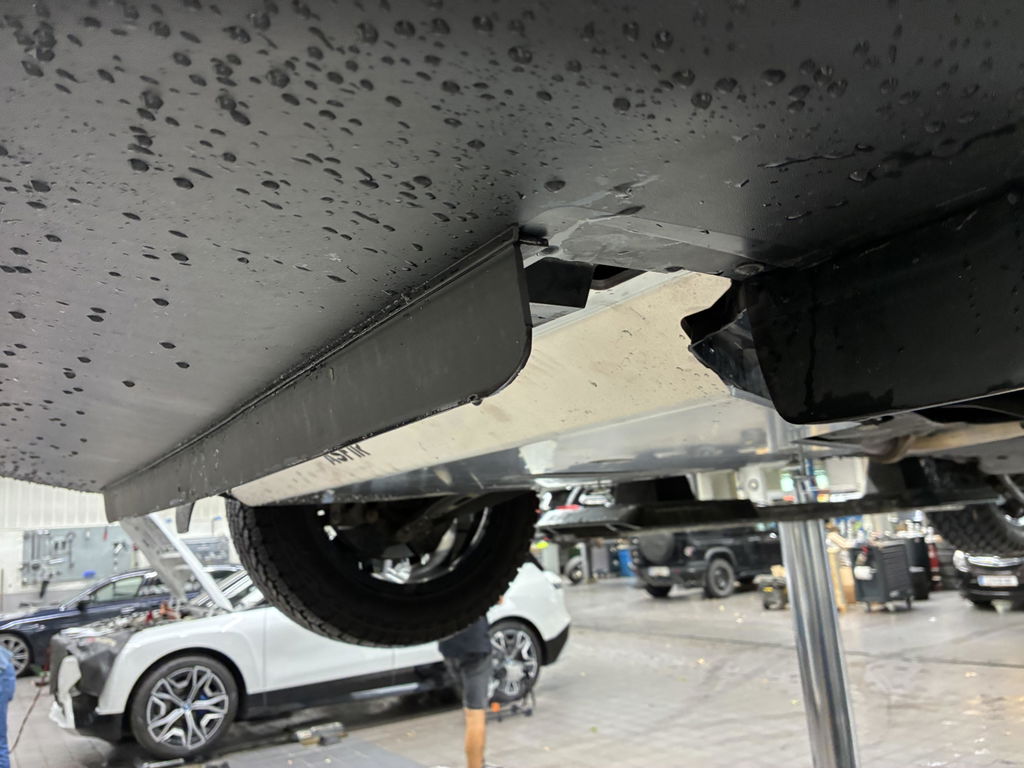
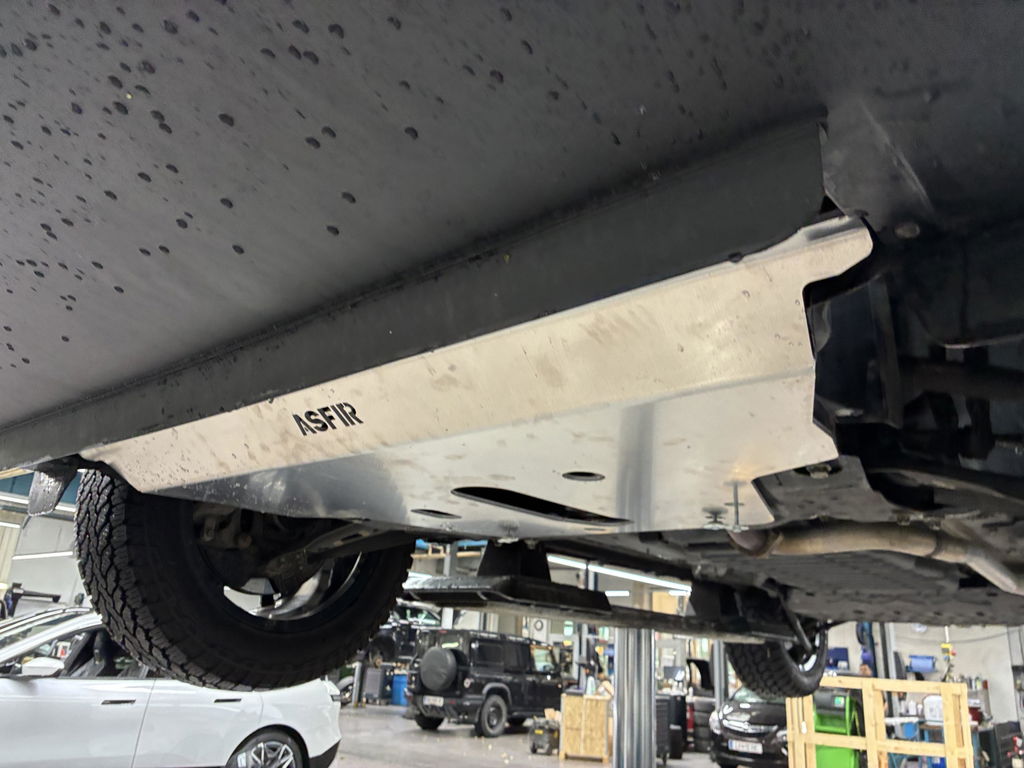
Steel rock sliders are inherently more durable than aluminum rock sliders when subjected to direct, high-impact strikes on rough terrain. Steel offers higher tensile strength and abrasion resistance, meaning the metal will scrape over jagged rocks without gouging deeply or losing structural integrity. Aluminum off-road protection—such as gear crafted from the 1/4" aluminum used in ASFIR 4x4's A-Arm skid plates—still provides robust defense for overlanding and general trail use, but steel remains the preferred choice for dedicated rock crawling where the vehicle's full weight frequently slams down hard on the sliders.
Can aluminum rock sliders bend or crack easier than steel when hitting big rocks?
Aluminum rock sliders are more prone to bending, deep gouging, and cracking than steel rock sliders when absorbing the full impact of a heavy vehicle dropping onto a boulder. Because aluminum is a softer and more brittle metal than steel, highly localized impacts can cause it to fracture rather than merely denting. Steel rock sliders will dent or scrape under the same extreme forces, allowing you to slide the vehicle off the obstacle without completely fracturing your protection gear.
Do steel or aluminum rock sliders offer better protection for my vehicle’s frame?
Steel rock sliders offer superior protection for your vehicle's frame and rocker panels against high-clearance impacts and aggressive trail driving. When a truck or SUV drops abruptly onto a rock ledge, rigid steel transfers the heavy load across its structure without crushing, effectively shielding the vulnerable OEM body components directly behind it. Aluminum sliders provide excellent defense against glancing blows, kicked-up trail debris, and thick brush, but steel is the ultimate safeguard for maintaining the structural integrity of your vehicle's frame on extreme trails.
Weight & Vehicle Performance
How heavy are steel rock sliders versus aluminum ones, and does that affect my vehicle’s performance?
Steel rock sliders are significantly heavier than aluminum rock sliders, which can directly impact your vehicle's suspension dynamics, ride height, and payload capacity. Adding heavy steel armor to the sides of a 4x4 increases the sprung weight, potentially lowering the vehicle's stance or requiring stiffer aftermarket suspension springs to compensate. Aluminum rock sliders offer a massive weight savings over steel, helping to preserve your vehicle's fuel efficiency, braking distance, and acceleration. This makes aluminum an excellent choice for drivers who want reliable trail protection without bogging down their rig's performance.
Maintenance & Care
Will steel rock sliders rust or need special care compared to aluminum?
Steel rock sliders will rust if their protective powder coat or paint is scratched off on the trail, requiring regular touch-ups to prevent ongoing corrosion. When a sharp rock scrapes steel armor down to the bare metal, exposing it to moisture, mud, and road salt, surface rust will quickly form. Aluminum rock sliders naturally resist corrosion and will not rust even when gouged deeply, making aluminum much easier to maintain for off-roaders who frequently drive in wet, snowy, or coastal environments. Owners of steel sliders simply need to clean any deep scrapes and apply a quick coat of protective spray paint after heavy trail use.
Installation & Fitment
Which material is easier to install myself without professional help?
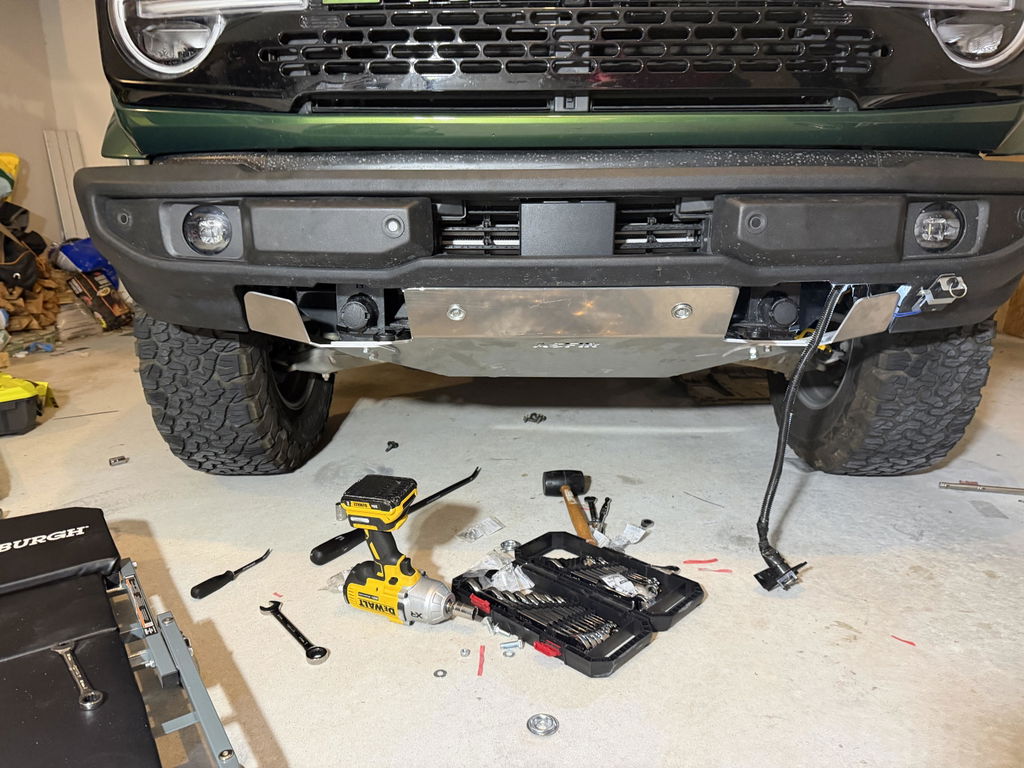
Aluminum rock sliders are physically easier to install by yourself than steel rock sliders because their lighter overall weight makes them simpler to lift, balance, and align under the vehicle. Maneuvering heavy steel armor into place often requires a floor jack or a second pair of hands to hold the sliders steady against the frame while you thread the initial mounting hardware. However, both steel and aluminum rock sliders from ASFIR 4x4 feature field-proven, bolt-on installation, meaning neither material requires drilling, welding, or professional fabrication to mount directly to your specific vehicle trim and model year.
Where to Go Next
To browse ASFIR 4x4's rugged, bolt-on underbody protection, view the Suzuki Jimny Front Axle Steel Skid Plate or explore our full lineup of field-proven skid plate kits and winch mounts. If you have questions about which armor fits your specific model year, or need to verify compatibility with your current OEM bumper structure, contact our support team for expert fitment advice.