How to Fix a Loose Skid Plate: Questions Answered
This FAQ covers how to diagnose, repair, and prevent rattling or loose underbody armor on off-road vehicles. It is written for truck, SUV, Jeep, Toyota, Land Rover, Nissan, Dacia, and Suzuki drivers who need their bolt-on protection secure for rough trails and rock crawling. Whether you are running a 1/4" aluminum engine protector or outfitting your rig with a completely new set of trail-ready Skid Plates, these answers explain the tools, hardware, and techniques required to keep your gear firmly attached to your vehicle's frame.
Causes and Diagnosis
What causes a skid plate to become loose after installation?
A skid plate becomes loose after installation primarily because sustained trail vibrations back the mounting hardware out of the frame, or because direct rock strikes deform the metal and shift the mounting points. Driving an off-road vehicle over washboard dirt roads, rocky trails, and uneven terrain generates high-frequency vibrations throughout the chassis. If the aftermarket bolt-on installation hardware lacks thread-locking compound, these vibrations will slowly turn the bolts counter-clockwise until they lose their clamping force.
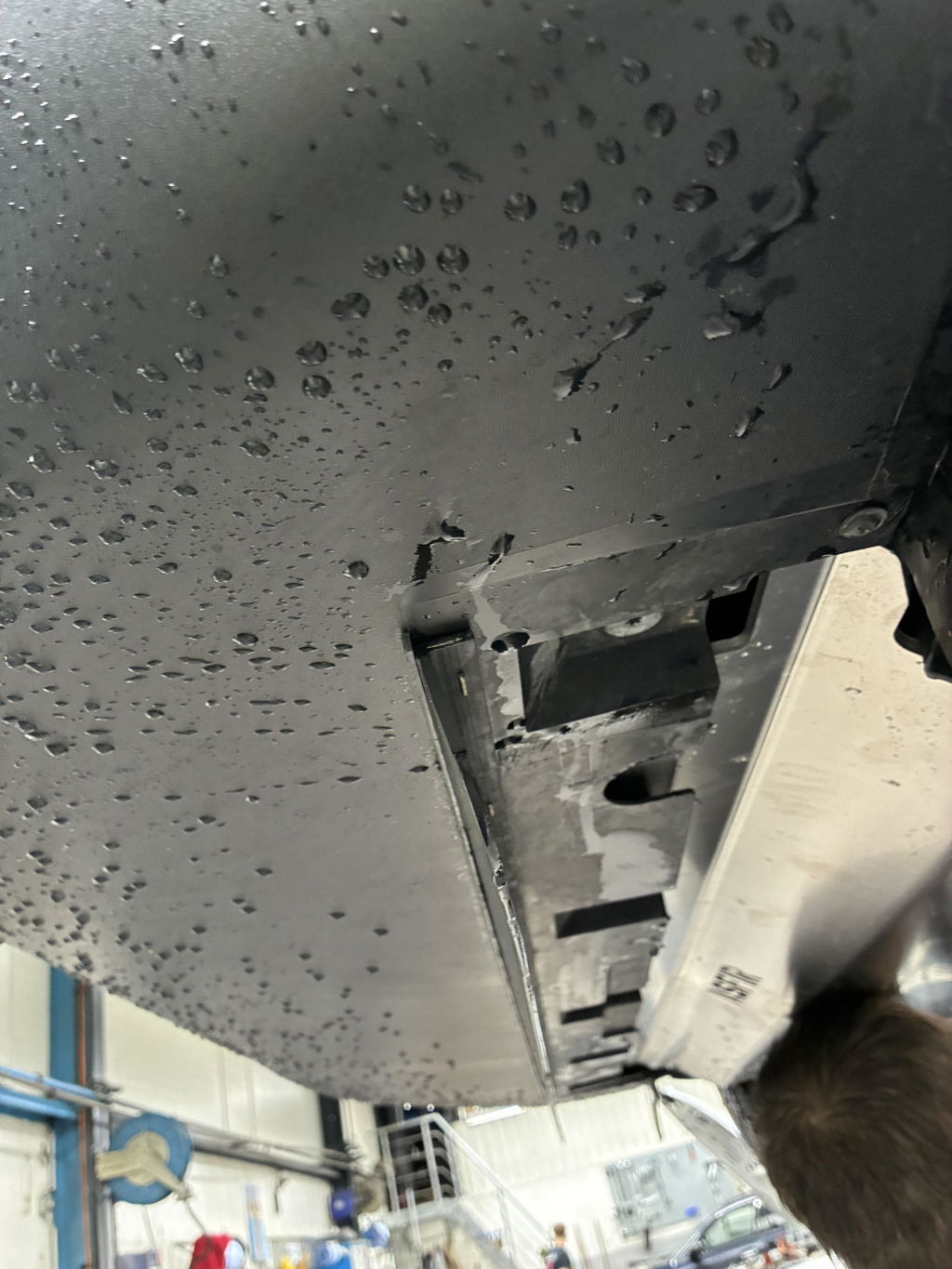
A secondary cause is physical impact. When 1/4" aluminum underbody armor takes the full weight of a 4x4 sliding over a boulder, the silver plate absorbs the kinetic energy. While field-proven plates resist puncturing, heavy hits can cause minor metal flexing. This flex changes the tension on the factory mounting holes, creating slack in the hardware that eventually leads to a rattle. Finally, failing to tighten the hardware to the correct torque specification during the initial installation will cause the plate to loosen rapidly during its first trail outing.
Is it safe to keep driving with a skid plate that’s rattling or loose?
Driving with a loose skid plate is unsafe for off-road trail use because the unsupported metal panel can catch on uneven terrain and cause severe structural damage to the vehicle. If a rattling 1/4" aluminum protector drops at the leading edge while a truck or SUV moves forward, it acts as a mechanical scoop. Hitting a rock, rut, or tree root with a dropped plate will violently rip the remaining mounting hardware out of the vehicle frame. This impact can bend the chassis brackets or drive the heavy metal plate directly into the engine, transfer case, or catalytic converter it was installed to protect.
For highway driving, a loose aftermarket protection panel poses a significant hazard to trailing vehicles. If the remaining bolts shear off at high speeds, the aluminum plate becomes highly dangerous road debris. Drivers hearing a distinct metallic rattle from beneath their off-road vehicle should stop immediately, inspect the bolt-on hardware, and tighten any backed-out fasteners before continuing their trip.
Tools and Repair Steps
How to fix a loose skid plate on my off-road vehicle
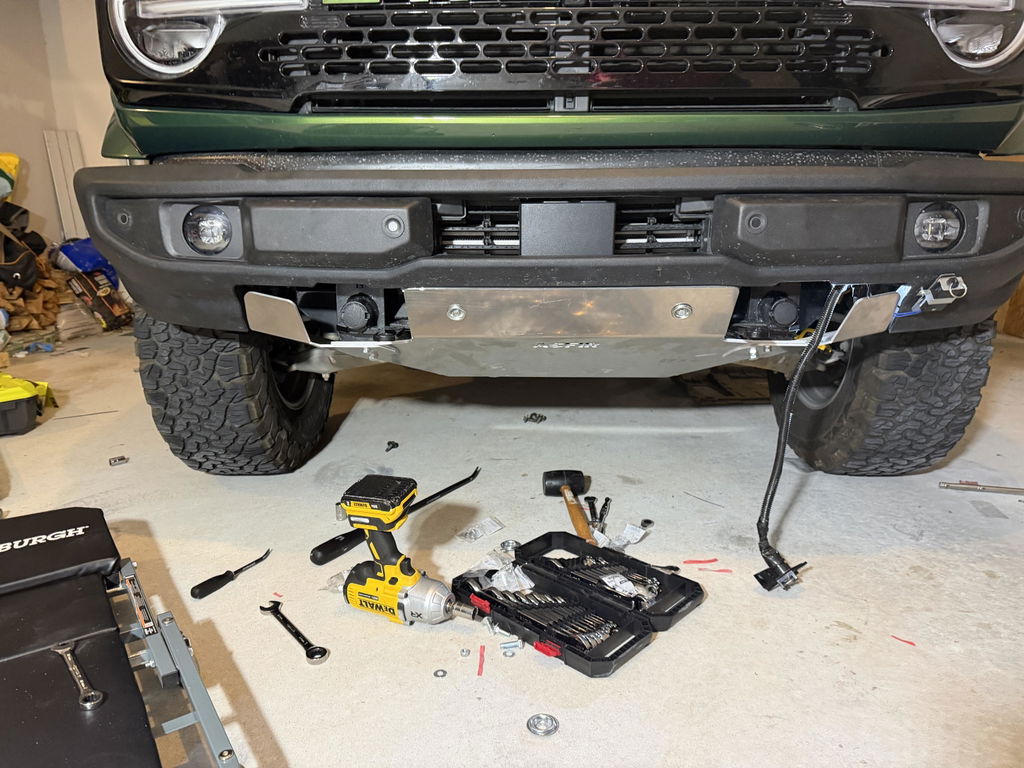
Fix a loose skid plate by realigning the 1/4" aluminum panel flush against the vehicle frame, cleaning the threads of all fasteners, applying medium-strength threadlocker, and torquing the bolts to their specified tightness. Park the off-road vehicle on a flat, level surface and use wheel chocks for safety. Slide underneath and inspect every bolt-on mounting point to identify which fasteners are missing, stripped, or backed out. Remove the loose bolts entirely rather than just tightening them in place.
Clean the threads of the bolts and the vehicle frame holes with a wire brush to remove trail dust, mud, and debris. Apply a single drop of medium-strength blue threadlocker to the threads. Thread the hardware back through the aluminum armor and into the frame brackets by hand to prevent cross-threading. Finally, use a torque wrench to tighten the hardware in a star pattern, moving from one side of the plate to the other. This ensures the protection gear sits perfectly flat against the chassis and prevents the metal from binding.
Can I tighten or fix a loose skid plate without removing it completely?
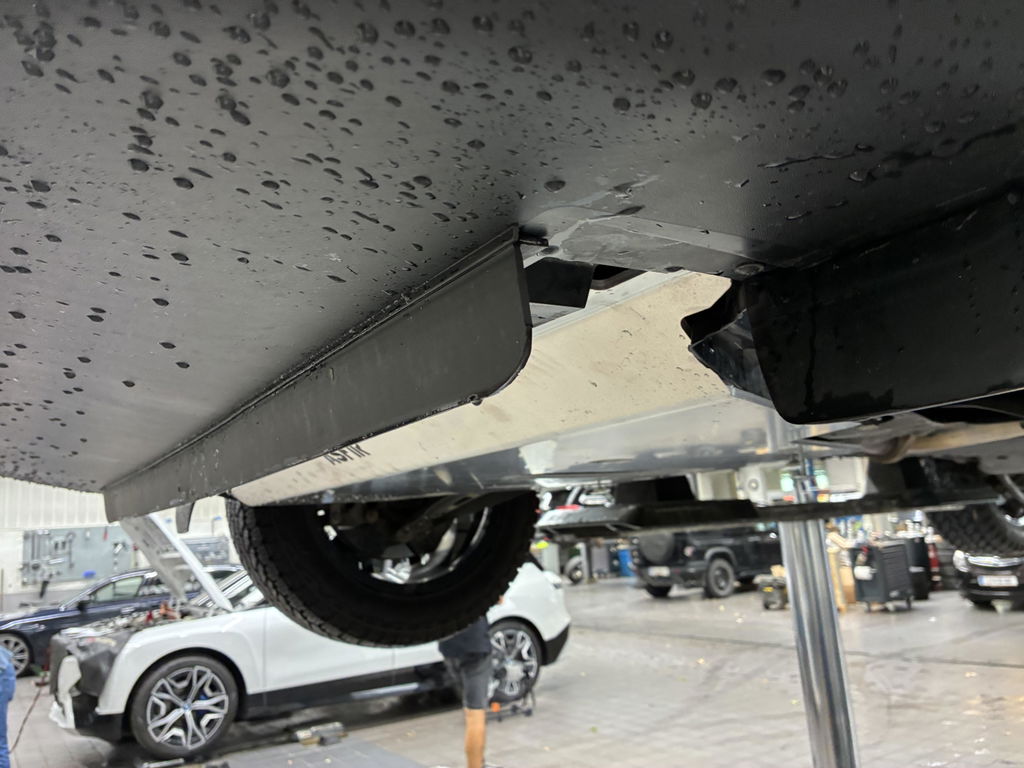
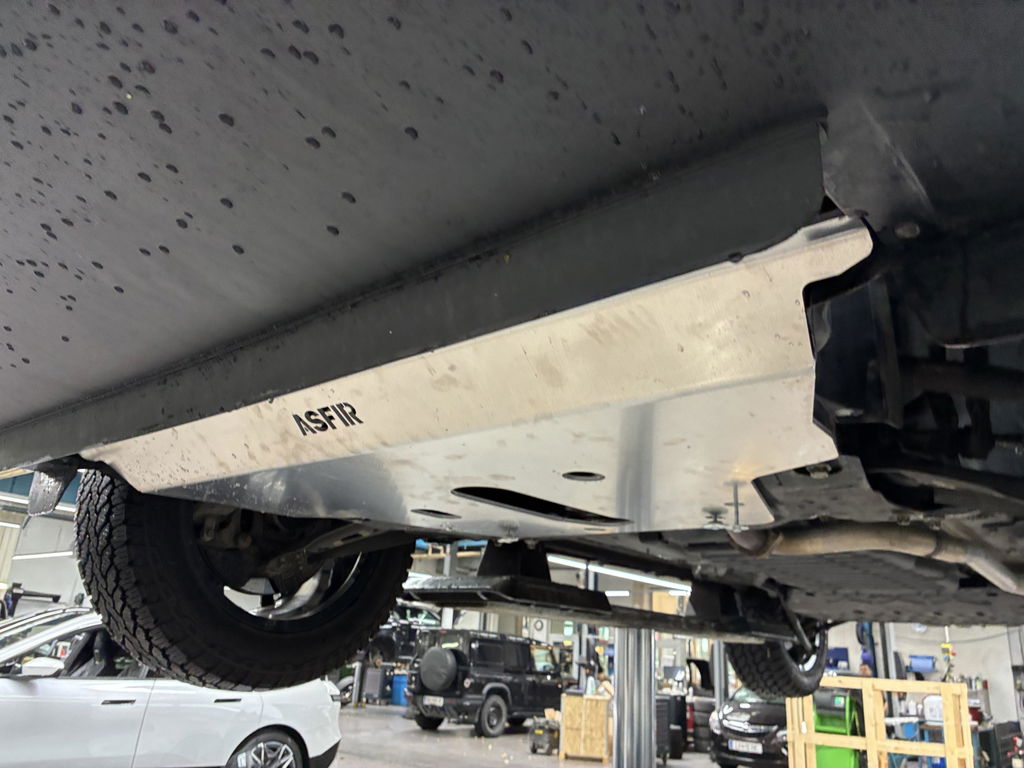
You can tighten a loose skid plate without removing it completely as long as the underlying vehicle frame brackets are undamaged and no mud or rocks are trapped above the aluminum panel. For standard aftermarket bolt-on installations like an Asfir 4x4 engine or transfer case protector, sliding underneath the vehicle with a wrench to torque the accessible bolts will cure a minor rattle. If the hardware has simply backed out due to washboard road vibration, a quick trail-side tightening in place is highly effective.
However, if off-road driving has forced debris between the vehicle's undercarriage and the skid plate, tightening the plate in place will crush that debris against sensitive automotive components. Trapped rocks can puncture oil pans or sever wiring harnesses when compressed by a tightened 1/4" aluminum plate. If there is visible mud packing, heavy debris buildup, or if a nut has stripped inside a hidden frame cavity, the entire armor unit must be completely unbolted and dropped to the ground for a proper fix.
What tools do I need to secure a loose skid plate properly?
Securing a loose skid plate requires a mechanic's socket set matching your specific hardware, a calibrated torque wrench, a breaker bar, and a bottle of medium-strength blue threadlocker. The socket set and breaker bar are necessary to safely break loose and remove any seized or mud-encrusted bolts for inspection without stripping the bolt heads. A calibrated torque wrench is the most critical tool for the reinstallation of off-road vehicle protection. Fastening the hardware to the exact tightness specified for your truck or SUV's frame prevents the bolts from snapping under pressure or vibrating loose on the trail.
Medium-strength blue threadlocker is mandatory for any bolt-on aftermarket gear subjected to off-road environments. The fluid creates a chemical bond that locks the threads against continuous high-frequency shocks while still permitting future removal with standard hand tools. Using permanent red threadlocker is strongly discouraged, as removing the plate for future oil changes or transmission maintenance would then require a blowtorch.
Trail Maintenance and Prevention
How can I prevent my skid plate from coming loose again on rough trails?
Prevent a skid plate from loosening again by coating every mounting bolt in blue threadlocking fluid and re-torquing the entire bolt-on installation after the first 50 miles of off-road driving. Continuous trail vibrations are the primary reason underbody protection hardware fails. Threadlocker actively resists these vibrations and is the single most effective preventative measure an off-road enthusiast can take. Establishing a strict pre-trip and post-trip inspection routine also ensures that minor hardware shifts are corrected before bolts fall out on the trail.
When navigating rough terrain, avoid intentional rock sliding whenever possible. While field-proven 1/4" aluminum plates provide reliable protection against impacts and catalytic converter theft, repeatedly dropping the full weight of a vehicle onto the armor stresses the mounting brackets. If a heavy impact does occur on a trail, check the mounting hardware immediately after clearing the obstacle to verify the plate has not shifted or loosened from the vehicle frame.
Next Steps and Support
To browse field-proven, vehicle-specific underbody armor engineered for your exact truck or SUV, view our complete range of Skid Plates.
For fitment verification, bolt-on installation support, or replacement hardware for your off-road protection gear, contact the ASFIR 4x4 USA support team directly through our website.