Bolt-On vs. Weld-On Rock Sliders: Which Should You Choose?
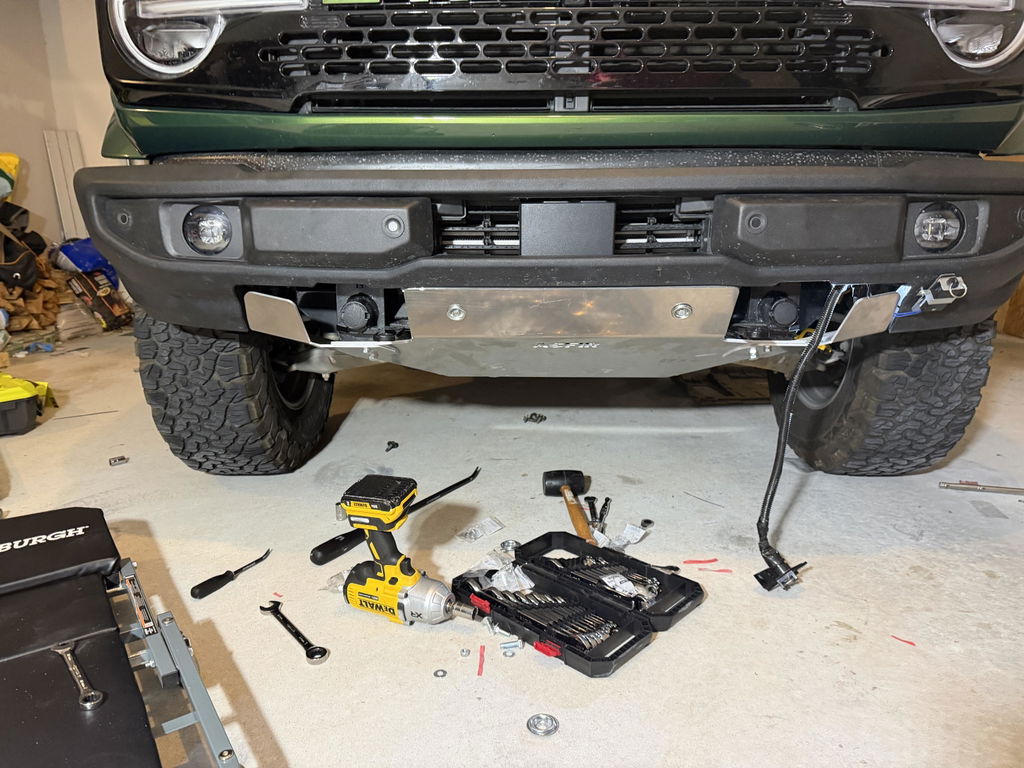
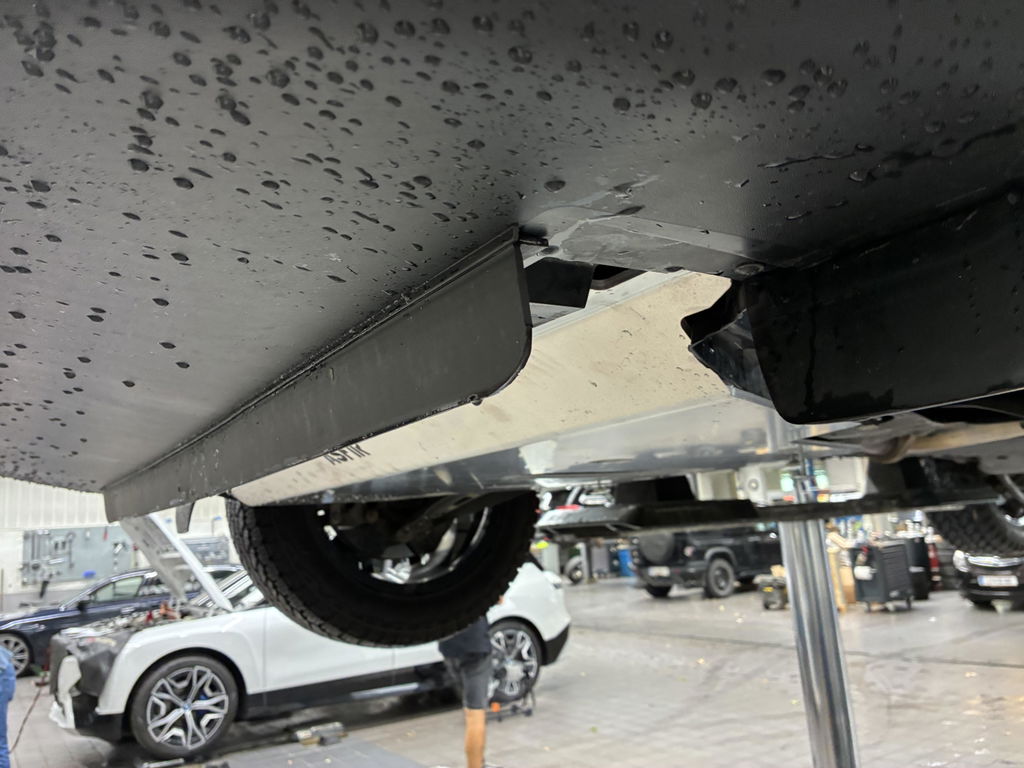
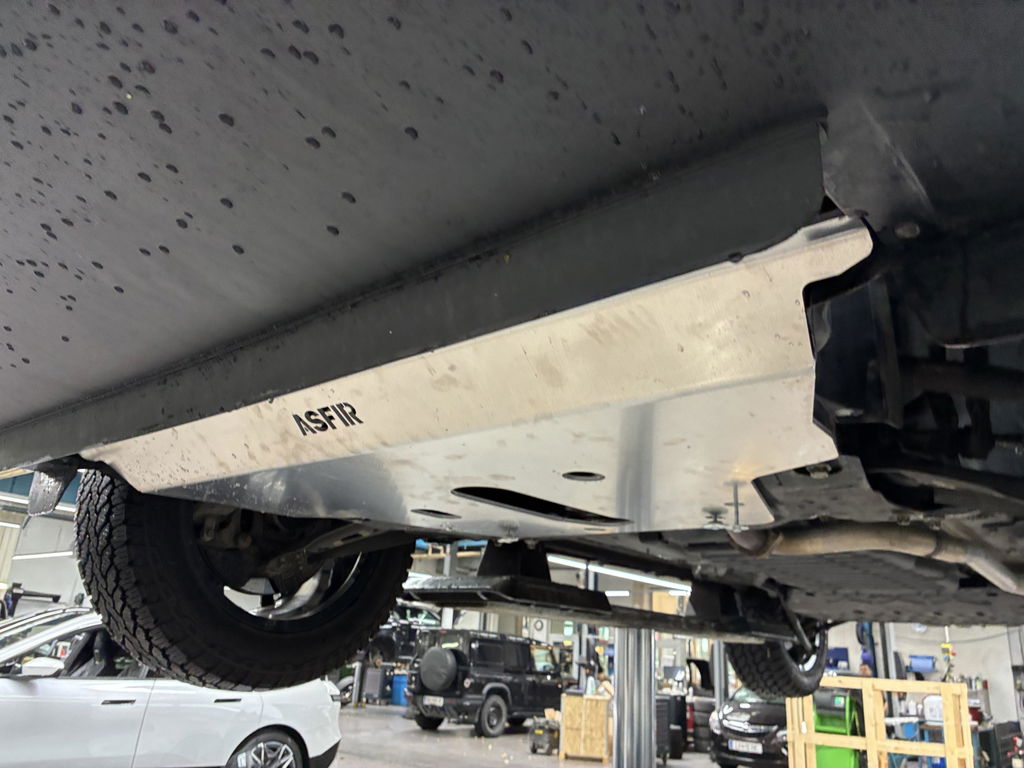
Bolt-on rock sliders win for the majority of truck and SUV owners who want heavy-duty trail protection and easy, reversible home installation, while weld-on sliders are the better choice for dedicated rock crawlers who require absolute structural permanence and never plan to return their rig to stock. Choosing between the two comes down to how permanently you want to alter your vehicle's factory frame and whether you plan to install the armor yourself in your driveway or pay a fabrication shop to attach it. For off-road enthusiasts looking to armor their vehicles without altering OEM structural integrity, bolt-on equipment provides an exact fit using the vehicle's original mounting points. This is the same field-proven, bolt-on engineering approach ASFIR 4x4 uses in its heavy-duty front-end armor like the Toyota Hilux ATL Winch Bumper | 12'-15'.
Comparison: Bolt-On vs. Weld-On Rock Sliders
The table below breaks down the concrete differences between installing a bolt-on rock slider kit versus welding a custom set of sliders directly to your vehicle's frame.
| Feature |
Bolt-On Rock Sliders |
Weld-On Rock Sliders |
| Mounting Location |
Factory frame holes and mounts |
Welded directly to bare frame rails |
| Tools Required |
Standard socket set and wrenches |
MIG/TIG welder, angle grinder, safety gear |
| Reversibility |
Fully reversible with hand tools |
Permanent; requires cutting and grinding to remove |
| Frame Preparation |
Minimal to none |
Requires grinding away factory paint and rust-proofing |
| Installation Labor |
DIY-friendly (0 USD in labor) |
Requires professional fabrication rates if not a welder |
| Impact on OEM Frame |
Maintains factory structural integrity |
Heat alters frame steel temper at the weld sites |
| Replacement Process |
Fast (unbolt damaged side, bolt on new one) |
Slow (cut off damaged slider, grind frame flat, re-weld) |
| Corrosion Defense |
Factory frame coatings remain intact |
Requires rigorous repainting of bare frame metal post-weld |
Qualitative Differences on the Trail and in the Garage
Some of the most critical differences between bolt-on and weld-on off-road protection gear go beyond what fits in a specification table.
Natural Frame Articulation
Bolt-on rock sliders allow a vehicle's frame to maintain its natural flex during extreme off-road articulation. Truck and SUV frames are engineered to twist slightly when crossing uneven terrain. Because bolt-on sliders attach to distinct points with high-grade hardware, they move with the vehicle's natural geometry. Weld-on sliders create a rigid, inflexible span across the frame rail, which fights the factory design and can transfer torsional stress to other parts of the chassis.
Long-Term Rust Management
Bolt-on rock sliders keep the vehicle’s original factory rust-proofing completely intact. Installing weld-on sliders requires a grinder to strip the OEM e-coat, paint, and galvanization off the frame down to bare steel before the welding arc can strike. Even with thorough aftermarket painting over the new welds, the inside of the boxed frame rail directly behind the weld often loses its protective coating from the heat, creating a hidden breeding ground for rust.
Trail Damage and Replacement
Bolt-on rock sliders turn severe trail damage into a simple parts swap. If a heavy vehicle drop onto a jagged rock heavily dents or bends a slider, a bolt-on unit can be unbolted in the driveway and replaced in minutes. When a weld-on slider takes a catastrophic hit, removing it requires specialized cutting wheels, hours of careful grinding to avoid gouging the vehicle frame, and the entire welding process starting over from scratch.
When to Choose Weld-On Rock Sliders
Choose weld-on rock sliders if you are building a dedicated, extreme rock-crawling buggy or a heavily modified trail rig that will never serve as a daily driver. Weld-on rock sliders make sense for drivers who routinely pivot the entire weight of their vehicle on a single slider against a boulder. In these extreme, high-consequence environments, welding directly to the frame guarantees the slider will never shift under massive torsional loads.
Weld-on sliders are also the necessary choice for vintage 4x4s, custom builds, or rare models that simply do not have factory mounting holes or pre-engineered aftermarket support. If you drive a vehicle where no bolt-on kit exists, fabricating and welding a custom set of steel tubes is the only way to achieve heavy-duty rocker panel protection. For off-roaders with their own welding equipment, extensive fabrication experience, and no concern for vehicle resale value, weld-on sliders offer a way to build completely custom trail armor.
Who Each Option is For
Bolt-on rock sliders are for:
-
Daily drivers and weekend overlanders: Owners who want heavy-duty protection on the trail but need the vehicle to remain practical and easily serviceable during the week.
-
DIY mechanics: Enthusiasts who want the satisfaction of installing their own gear using standard hand tools in their garage.
-
New vehicle owners: Drivers who want to protect their investment without voiding warranties or permanently altering the original frame structure.
-
Leased vehicle drivers: Off-roaders who must return the vehicle to its exact factory condition at the end of a term.
Weld-on rock sliders are for:
-
Dedicated rock crawlers: Drivers who tackle extreme, competitive-level terrain where the vehicle frequently slides and pivots entirely on its rocker armor.
-
Custom fabricators: Builders with heavy welding experience who enjoy manufacturing their own one-off vehicle protection.
-
Owners of heavily modified rigs: Drivers whose vehicle frames are already heavily altered, cut, or reinforced for extreme trail use.
Frequently Asked Questions
Bolt-on vs weld-on rock sliders — which is better for durability and ease of installation?
Bolt-on rock sliders are vastly superior for ease of installation, requiring only common hand tools, while both styles offer extreme durability for trail use. Weld-on sliders provide absolute rigidity for competitive rock crawling, but bolt-on sliders deliver all the heavy-duty impact defense most off-roaders will ever need without the hassle of fabrication, making them the better overall choice for the average enthusiast.
How hard is it to install bolt-on rock sliders compared to weld-on ones?
Installing bolt-on rock sliders is a straightforward, driveway-friendly process that utilizes existing factory holes and standard sockets. Installing weld-on sliders is a labor-intensive fabrication project that requires a MIG or TIG welder, an angle grinder to strip factory paint down to bare metal, precise clamping, and extensive post-weld painting to prevent immediate frame rust.
Will bolt-on sliders protect my truck as well as weld-on sliders when off-roading?
Yes, high-quality bolt-on sliders protect your truck just as effectively as weld-on sliders during the vast majority of off-roading scenarios. Engineered bolt-on protection uses heavy-duty steel brackets and high-tensile hardware designed to support the entire weight of the vehicle, reliably deflecting rocks, tree stumps, and deep ruts away from the vulnerable rocker panels and doors.
Can I remove or replace bolt-on sliders easily if needed?
Yes, bolt-on sliders can be removed or replaced at any time by simply unbolting the hardware. This makes it incredibly easy to swap out a slider damaged on the trail, upgrade to a different style, or return the vehicle to its stock configuration before selling it.
Do weld-on rock sliders affect my vehicle’s original frame or body integrity?
Yes, installing weld-on rock sliders permanently alters the vehicle's original frame integrity. The intense heat from the welding process changes the temper of the factory frame steel at the attachment points, destroys the OEM internal and external rust-proofing, and creates a rigid zone that eliminates the natural chassis flex engineered into the vehicle by the manufacturer.
Which type of slider offers better protection against theft or damage on the trail?
Both bolt-on and weld-on sliders provide excellent defense against trail damage by shielding the lower body of the vehicle. Weld-on sliders are physically impossible to steal without a cutting torch. Bolt-on sliders are heavily deterred from theft by their sheer weight and the awkward angle required to unbolt them in the field, and they can be further secured using specialized locking hardware. Beyond rocker protection, sliders of either type also block easy access to the vehicle's underside, offering secondary protection against catalytic converter theft.
Next Steps for Armoring Your Vehicle
Protecting your off-road vehicle requires gear that is tough enough for the trail but engineered to respect the vehicle's original design. Bolt-on protection delivers that exact balance, allowing you to armor your rig in your own driveway without firing up a welder. ASFIR 4x4 applies this exact bolt-on, field-proven engineering to its heavy-duty front-end armor and select vehicle-specific upgrades.
Whether you need a $1109.00 Mitsubishi Pajero ATL Winch Bumper, a $900.00 Mitsubishi Pajero Hidden Winch Mount, or heavy-duty front-end protection like the $2819.00 Toyota Hilux ATL Winch Bumper, exact fitment matters. To see how true bolt-on engineering transforms a vehicle's capability and front-end defense, explore the Toyota Hilux ATL Winch Bumper | 12'-15' and start building your trail-ready rig today.