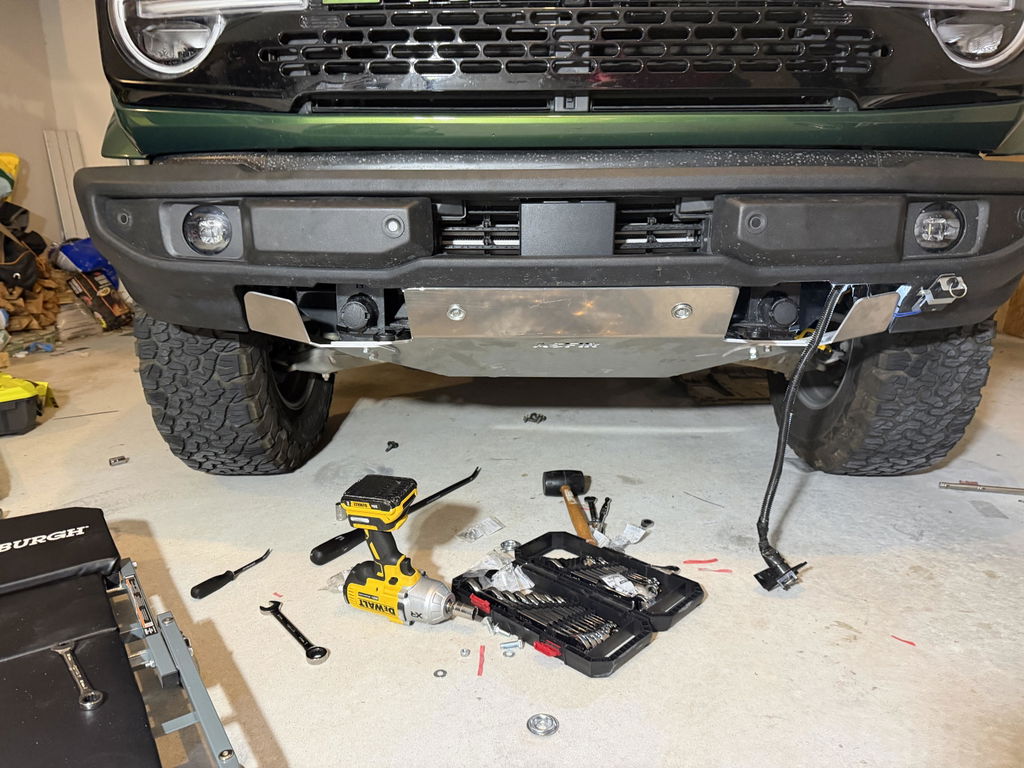
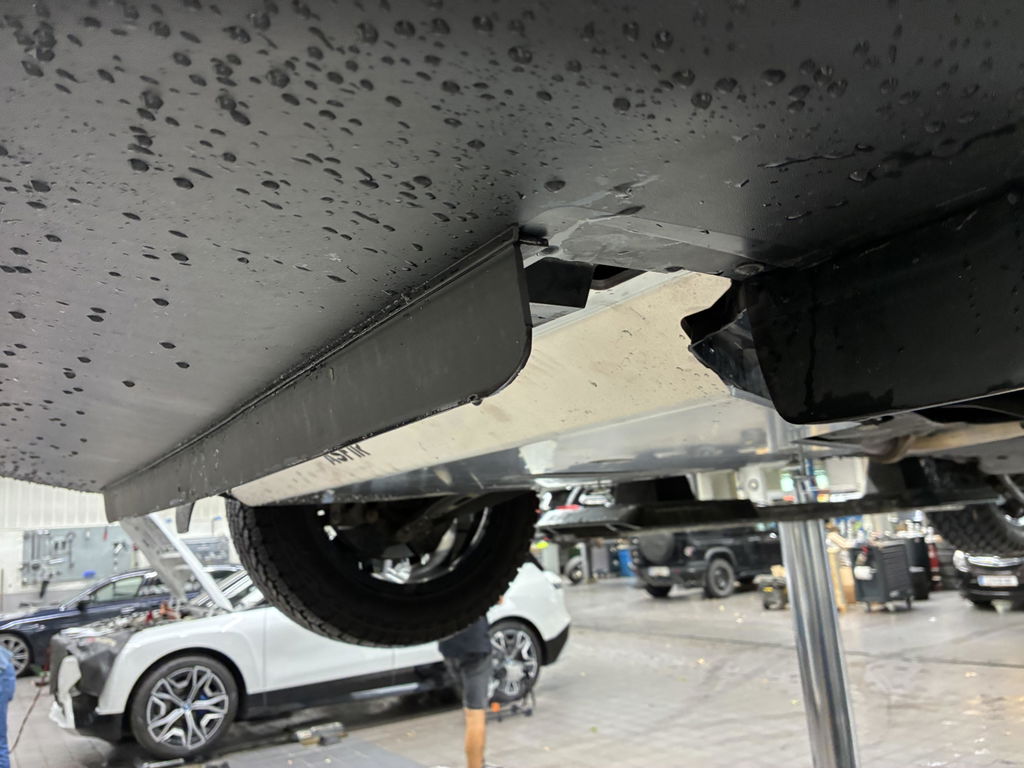
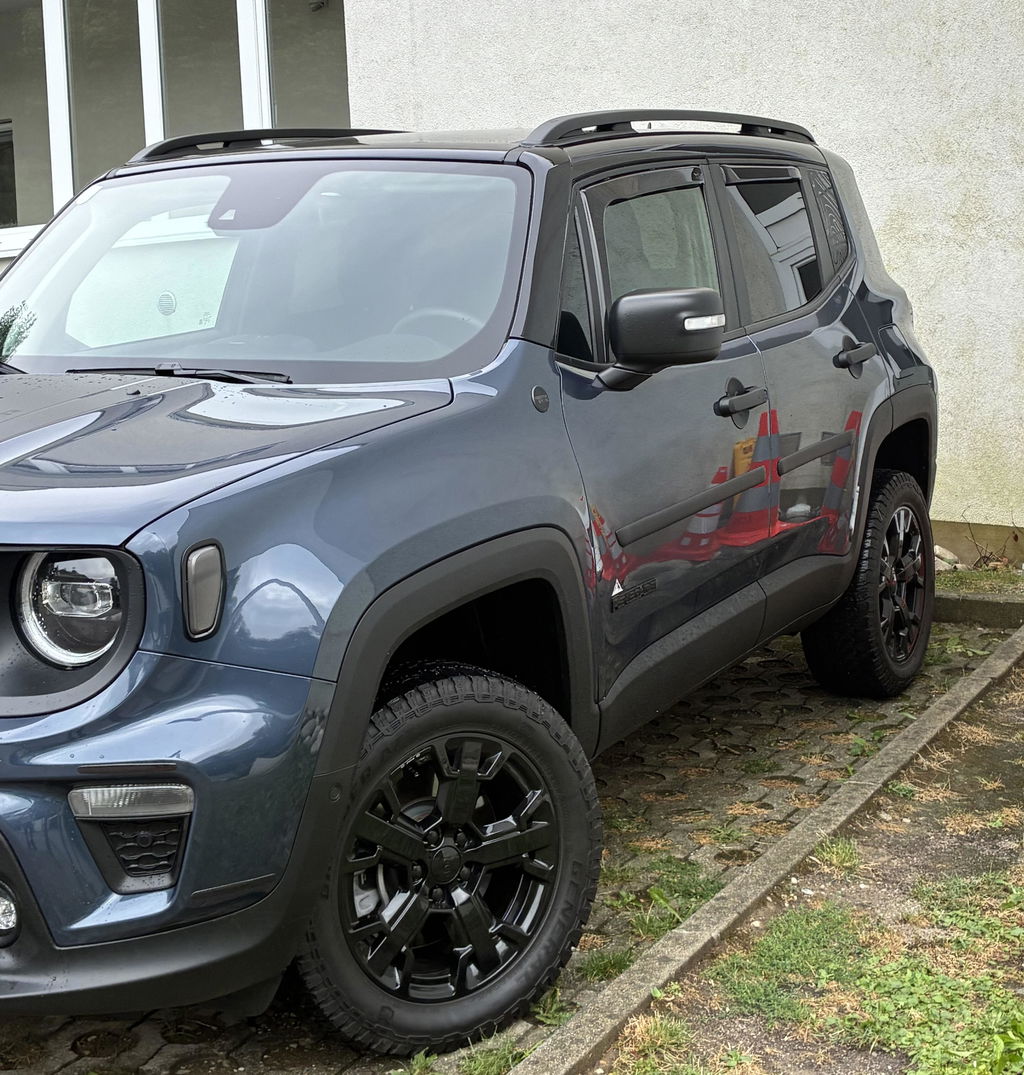
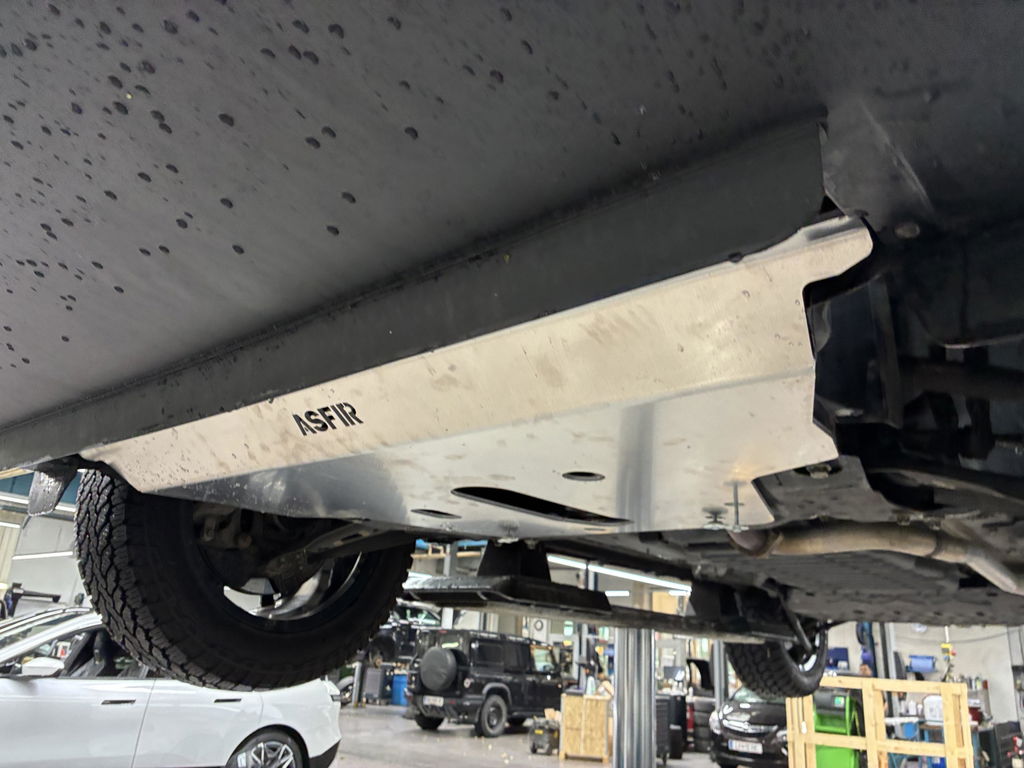
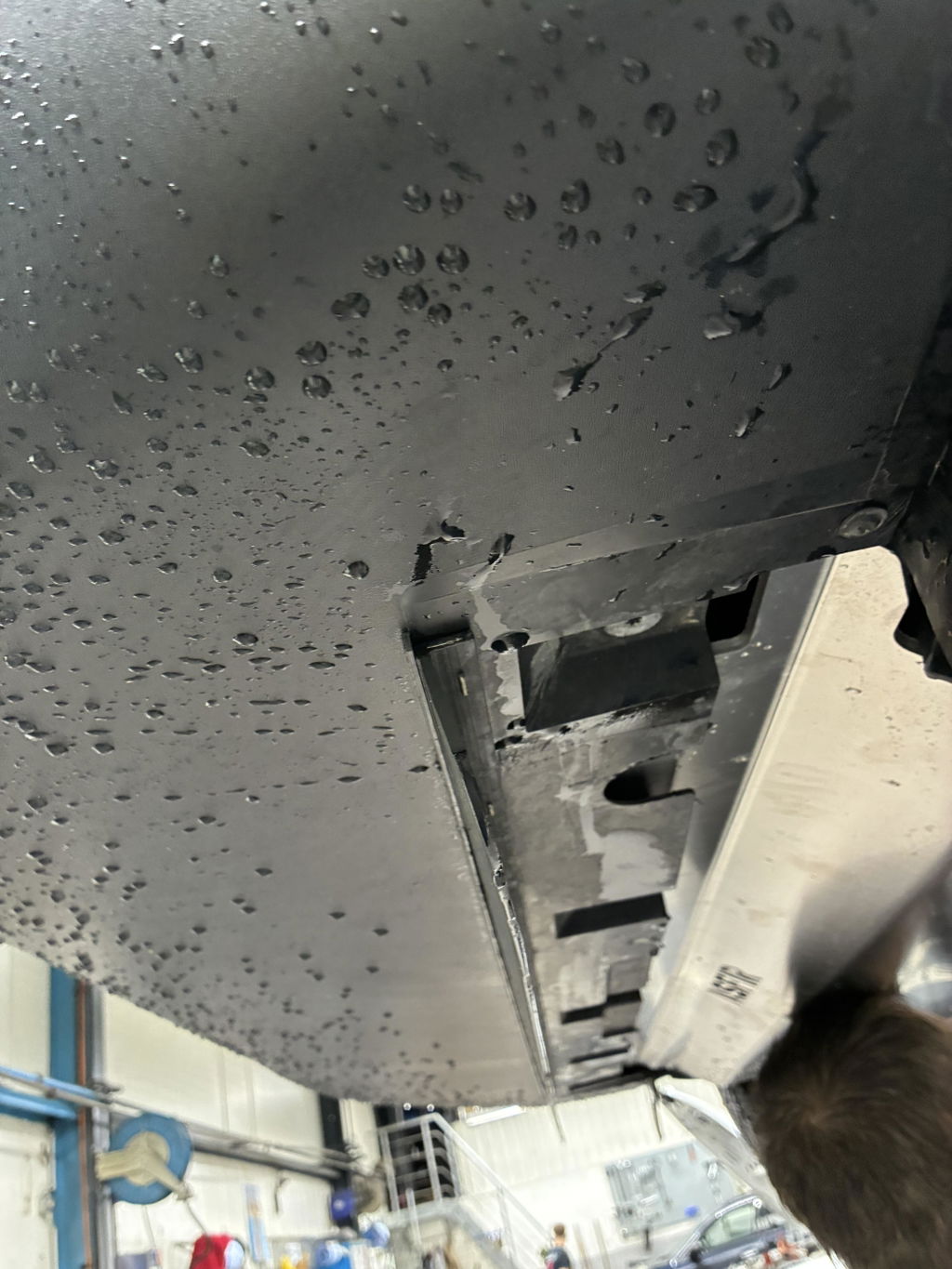
Bolt-on rock sliders are the clear winner for most off-road enthusiasts because they provide rugged trail protection without permanently modifying the vehicle frame, whereas weld-on sliders are strictly for dedicated rock crawlers who prioritize ultimate structural rigidity over factory warranties. Drivers of newer trucks and SUVs want heavy-duty defense against impacts and rocks, but they also want the ability to reverse modifications if they decide to sell the vehicle. Bolt-on protection equipment allows for driveway installation with standard hand tools, maintaining the structural integrity of the factory frame. Whether you are outfitting a Jeep for weekend trails, guarding your catalytic converter, or adding a Polaris RZR 800S Front A-Arm Skid Plate | ASFIR 4x4 1/4" Aluminum to an ATV, bolt-on hardware offers the most practical balance of convenience and field-proven durability.
Comparing Bolt-On and Weld-On Specifications
Evaluating rock sliders means looking at how the installation method dictates the future of your vehicle's frame. The table below outlines the concrete differences between bolting and welding your side protection.
| Attribute |
Bolt-On Rock Sliders |
Weld-On Rock Sliders |
| Installation Method |
Standard hand tools and torque wrenches |
MIG or TIG welding equipment |
| Frame Modification |
None; uses factory mounting holes |
Permanent alteration to factory metal |
| Reversibility |
Fully removable at any time |
Requires heavy cutting and grinding |
| Professional Labor |
Not required |
Mandatory for safe structural welds |
| Vehicle-Specific Fitment |
Engineered for specific trims and years |
Often universal; requires custom fitting |
| Factory Frame Coating |
Remains intact |
Stripped and burned away at weld points |
| Structural Rigidity |
High; isolates impacts along the frame |
Maximum; becomes part of the chassis |
| Impact on Resale |
Neutral or positive; easily reverted to stock |
Limits buyers to dedicated off-roaders |
| Maintenance |
Re-torque bolts periodically |
Inspect welds for hairline fractures |
The Differences a Table Cannot Hold
The physical connection between a rock slider and a vehicle frame dictates how the entire system behaves under stress and over time. Spec sheets cover the installation steps, but the daily realities of owning bolt-on versus weld-on equipment look very different.
Rust management and frame integrity
Welding a rock slider directly to a truck frame strips away the manufacturer's rust-proofing, paint, and galvanization at the mounting points. The intense heat of the welding process alters the metallurgy of the frame itself, creating a prime environment for rust and corrosion to take hold. Bolt-on sliders bypass this issue entirely. By utilizing factory mounting points, bolt-on options leave the OEM frame coatings intact, preventing the rapid spread of rust that often plagues welded joints after a wet winter on the trail.
The reality of vehicle-specific engineering
Bolt-on rock sliders demand precise engineering to align perfectly with the exact trim and model year of a Toyota, Land Rover, or Nissan. This means bolt-on sliders are typically designed using 3D scanning and CAD software to navigate around factory brake lines, wiring harnesses, and suspension mounts. Weld-on sliders are often generic lengths of steel tubing that place the burden of fitment entirely on the fabricator, requiring components to be moved or modified just to make room for the weld.
Damage isolation and replacement
Off-road driving is unpredictable, and severe impacts happen. If a bolt-on slider takes catastrophic damage from dropping onto a boulder, the slider will deform, absorbing the energy before it reaches the frame. The damaged slider can then be unbolted and replaced. If a weld-on slider takes the exact same catastrophic impact, the energy transfers directly into the chassis, and severe strikes can bend the vehicle's actual frame rather than just the accessory.
When to Choose Weld-On Rock Sliders
Weld-on rock sliders remain the superior choice for dedicated, purpose-built rock crawlers and trail buggies that will never serve as daily drivers. If you are building a rig specifically to tackle extreme, vehicle-weight-bearing drops onto solid granite, a welded connection provides absolute maximum rigidity.
A welded joint fuses the rock slider directly into the chassis, turning the side protection into a structural component of the vehicle itself. This is critical for drivers who consistently use their sliders as pivot points to drag the entire weight of their truck around massive boulders. In these extreme use cases, the sheer forces applied to the side of the vehicle could snap even high-grade mounting bolts. For drivers running heavily modified suspensions on older vehicles who have already abandoned any factory warranty or expectation of resale value, welding the sliders guarantees the protection will never shift, rattle, or tear away under the most punishing off-road conditions imaginable.
Who Each Option is For
Bolt-on rock sliders are for:
- Owners of newer Jeeps, Toyotas, Land Rovers, Nissans, Dacias, and Suzukis who want field-proven protection without voiding warranties.
- Enthusiasts who prefer to install off-road upgrades themselves in their own garage.
- Daily driver and weekend warrior vehicle owners who want heavy-duty defense against trail damage and catalytic converter theft.
- Drivers who intend to sell their truck or SUV in the future and want the option to return the vehicle to stock condition.
Weld-on rock sliders are for:
- Owners of dedicated trail rigs and rock buggies built strictly for extreme technical terrain.
- Professional fabricators who have the skills and equipment to safely alter a vehicle frame.
- Drivers who prioritize absolute structural rigidity over rust prevention, resale value, and warranty retention.
Frequently Asked Questions
Bolt-on vs weld-on rock sliders — which is better for durability and ease of installation?
Bolt-on rock sliders are significantly better for ease of installation, requiring only standard hand tools and basic mechanical knowledge, while weld-on sliders require professional welding equipment and structural fabrication skills. For durability, bolt-on sliders provide exceptional, field-proven protection for 90% of off-road driving, trails, and rough terrain. Weld-on sliders offer slightly higher ultimate durability strictly in extreme rock-crawling scenarios where the vehicle's entire weight is dropped repeatedly onto the slider.
How do bolt-on rock sliders affect my vehicle’s warranty compared to weld-on options?
Bolt-on rock sliders do not void your factory frame warranty because they mount to existing factory holes without altering the vehicle's structure. Weld-on rock sliders immediately void factory frame and rust-perforation warranties because the installation process requires grinding away OEM protective coatings and applying extreme heat to permanently alter the chassis metal.
Can I install bolt-on rock sliders myself or will I need a professional?
You can install bolt-on rock sliders yourself in a driveway or garage using basic hand tools. Because they are engineered for specific vehicle trims and model years, the brackets align directly with existing frame holes, eliminating the need for drilling, cutting, or professional fabrication labor.
Will weld-on rock sliders cause permanent changes to my truck or SUV frame?
Yes. Installing weld-on rock sliders permanently alters the vehicle frame. The installation process strips away the factory paint and anti-corrosion treatments, introduces intense heat that changes the steel's temper at the weld points, and permanently bonds aftermarket steel to the chassis. Removing them later requires heavy cutting and grinding, which leaves permanent scarring on the frame.
Which type of rock slider offers better protection against rust and corrosion over time?
Bolt-on rock sliders offer far superior protection against rust and corrosion on your vehicle's frame. Because bolt-on installation leaves the manufacturer's original paint and rust-proofing completely intact, the frame remains sealed against moisture and road salt. Welded sliders burn away these protective coatings, making the weld joints highly susceptible to rapid rust and degradation.
Are bolt-on rock sliders compatible with other off-road accessories like winch mounts and skid plates?
Yes, bolt-on rock sliders integrate seamlessly with other bolt-on off-road accessories. Because bolt-on components are engineered using exact vehicle specifications, they share the underbody space predictably. A driver can install bolt-on sliders alongside other bolt-on off-road accessories, such as a Suzuki Jimny Front Axle Steel Skid Plate or a Mitsubishi Pajero Hidden Winch Mount, to achieve comprehensive, trail-ready protection.
Next Steps for Your Vehicle Protection
Selecting the right side protection comes down to how you use your vehicle. If you are building an extreme rock buggy from an old chassis, weld-on sliders provide the fused rigidity you need. If you want rugged, dependable defense for your daily driver or weekend trail rig without destroying your factory warranty, bolt-on equipment is the definitive choice. Start upgrading your off-road armor today by exploring vehicle-specific, bolt-on solutions like the Polaris RZR 800S Front A-Arm Skid Plate | ASFIR 4x4 1/4" Aluminum to ensure your underbody is completely protected on your next adventure.